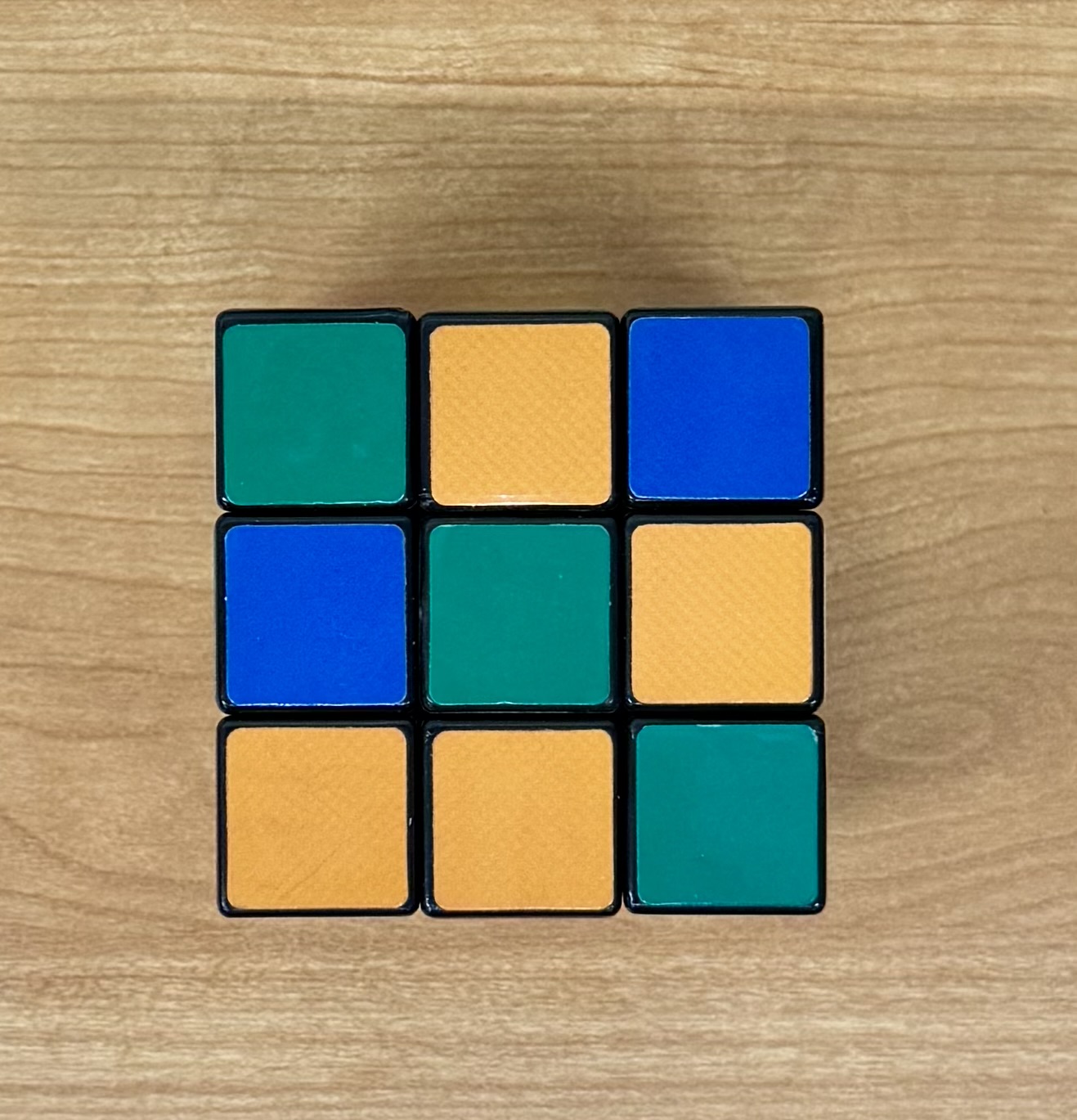
MicroZoom has been introduced—an innovative framework that enables the synthesis of extremely high-resolution images using the FLUX.1-dev architecture, LoRA adapters, and ControlNet.

What Happened
A cascaded generation method has been developed, in which the system first restores the global structure of the image and then details the local textures. To prevent visible seams at the joints during inference, a MultiDiffusion method with Gaussian blending is used.
Context
Traditional upscaling tools often face the problem of losing global coherence or distorting object edges when attempting extreme magnification. MicroZoom solves this task by moving from simple enlargement of existing pixels to the intelligent synthesis of new details based on the powerful FLUX.1-dev model.
Why It Matters for the Industry
The release of an open-source tool under the MIT license sets a new benchmark for upscaling methods. The technology allows bridging the gap between macro photography and extreme zoom, providing high controllability and precision in pattern restoration without losing the overall geometry of the object.
Why It Matters for Users
Users gain the ability to create ultra-detailed images up to several gigapixels in size. This opens new possibilities in digital restoration, scientific visualization, and the creation of high-quality digital art, where preserving minute patterns and object edges is crucial.
What Is Not Yet Known / Limitations
Using the framework involves high computational costs and significant VRAM requirements due to the multi-stage generation process.
Sources
Author
Look at AI, Editorial Team