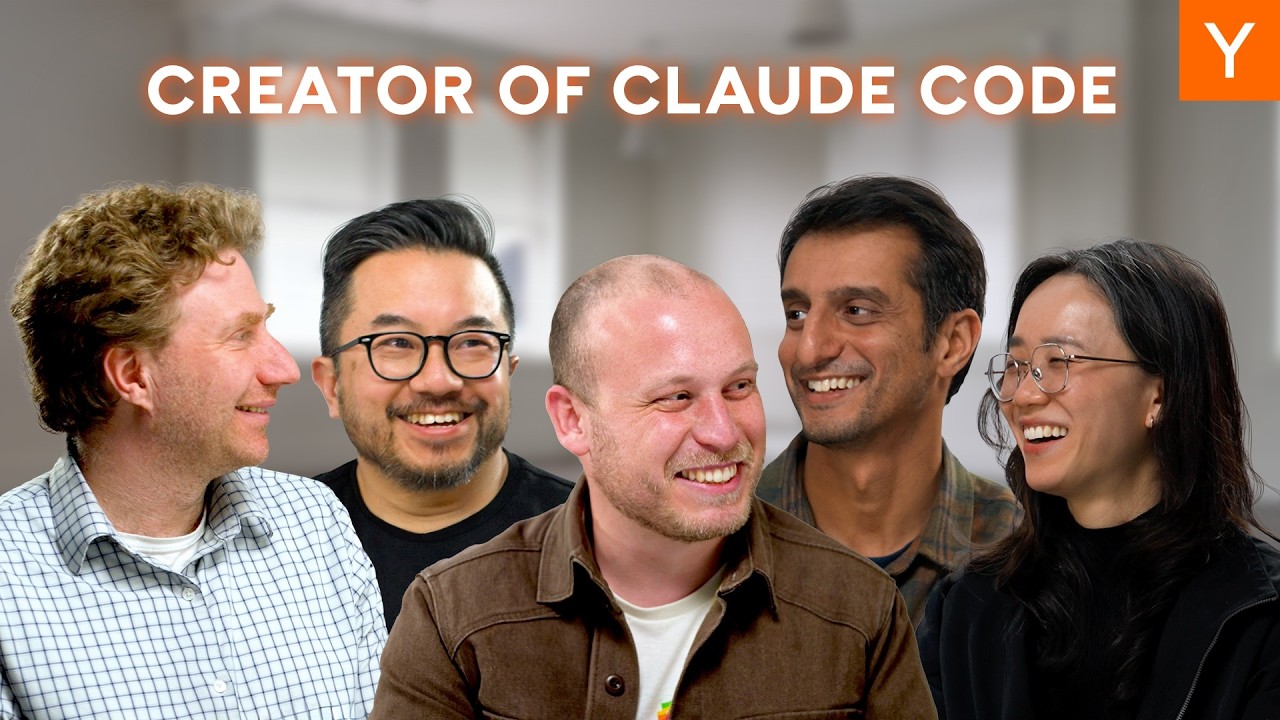
The creator of Claude Code, Boris Cherny, presented a new approach to working with AI agents in a Y Combinator interview, based on minimizing external instructions and leveraging the native capabilities of models.
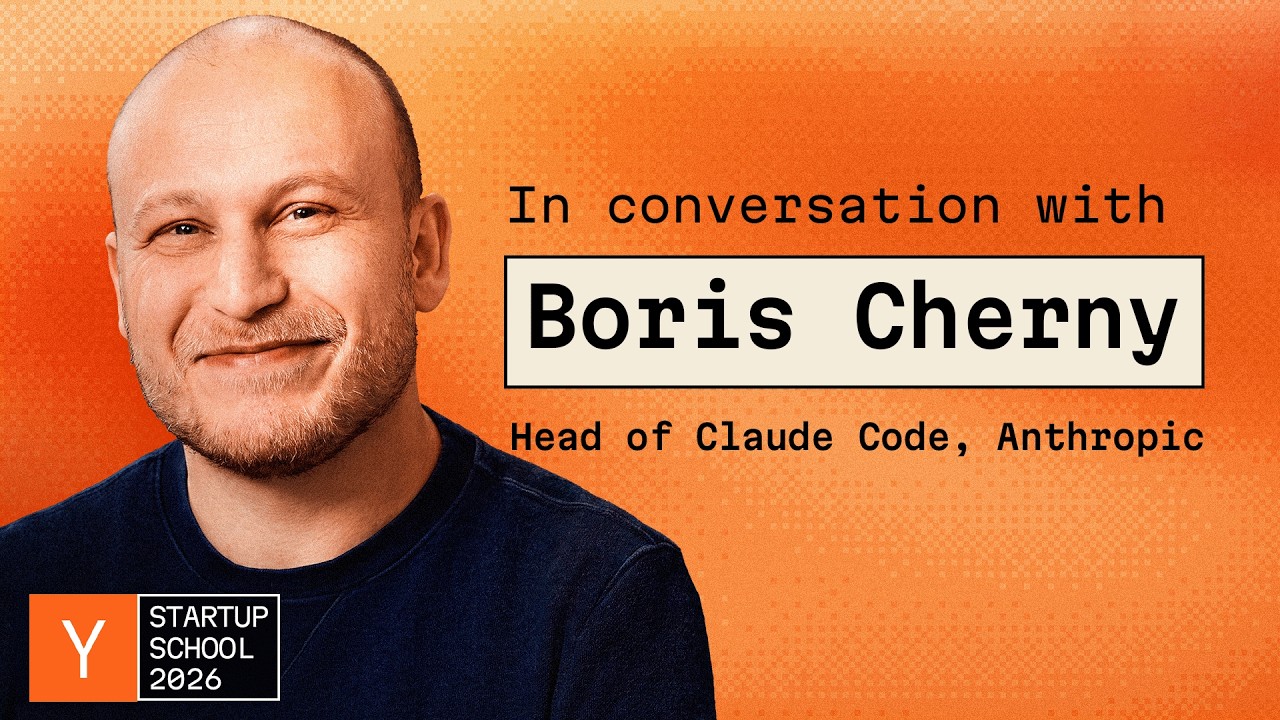
What Happened
In an interview with Y Combinator, Boris Cherny shared an empirical strategy for "cleaning" agents. He recommends periodically removing all additional system prompts, configuration files (e.g., claude.md), and extra "skills" to assess the model's true capabilities without programmatic scaffolding. Cherny also reported that using Claude Code at Anthropic increased engineer productivity by 150%, with approximately 70–90% of the company's code already being AI-generated.
Context
As the intelligence of Large Language Models (LLMs) grows, a trend is emerging toward reducing the need for complex programmatic "scaffolding"—the auxiliary code and bloated system instructions previously used to compensate for model deficiencies.
Why It Matters for the Industry
For the industry, this signifies a paradigm shift: moving from creating massive prompt instructions to designing high-quality APIs and tools that models "want" to use. AI product developers should focus on creating efficient interaction protocols, such as the Model Context Protocol (MCP), and designing dynamic Agentic Workflows instead of simply expanding the context.
Why It Matters for Users
Users and developers should move away from writing endless prompts in favor of solving complex tasks and observing where the model makes mistakes. Instead of cluttering the context with rules, it is more effective to add only necessary tools or brief instructions at the specific points where they are critical for task execution.
What Is Not Yet Known / Limitations
There is a divergence in focus: while researchers are concentrated on technical capabilities, legal experts and managers are paying more attention to risks regarding intellectual property (IP) management and responsibility for generated code.
Sources
Author
Look at AI, Editorial Team