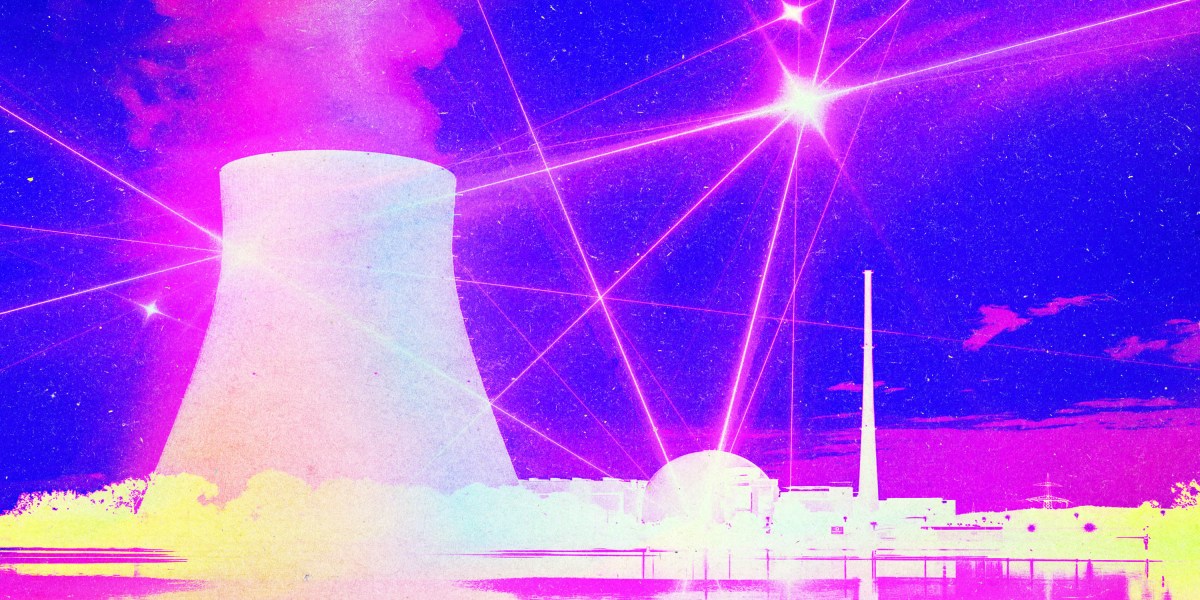
Global Laser Enrichment (GLE) is developing an innovative laser uranium enrichment technology designed to recycle nuclear waste into valuable fuel.

What happened
Global Laser Enrichment (GLE) is implementing laser enrichment technology that allows for the selective excitation of U-235 isotopes. Unlike traditional methods that use thousands of centrifuges, the new system requires fewer than 1,000 units of equipment. The project, being implemented in Paducah, Kentucky, aims to recycle up to 200,000 tons of nuclear waste by 2030 to produce low-enriched uranium (LEU).
Context
Modern nuclear power traditionally relies on centrifuge enrichment, which requires large-scale and resource-intensive production facilities. Given the need to reduce Western dependence on Russian uranium imports, finding more compact and efficient ways to produce fuel is becoming a strategic priority.
Why it matters for the industry
For the industry, this technology offers a cheaper and more compact alternative to centrifuges. This allows for the efficient use of accumulated nuclear waste stocks, turning them into a renewable resource for modern reactors, and stimulates demand for specialized software for monitoring and managing new types of laser installations.
Why it matters for users
For consumers and energy companies, this means a potential reduction in the cost of nuclear energy and an acceleration of the transition to new types of reactors. In the long term, this contributes to strengthening the energy independence of the US and Europe by optimizing the use of existing raw materials.
What is still unknown / limitations
The primary focus now is on scaling the technology and confirming the stability of laser isotope excitation under real-world industrial operating conditions.
Sources
Author
Look at AI, Editorial Staff