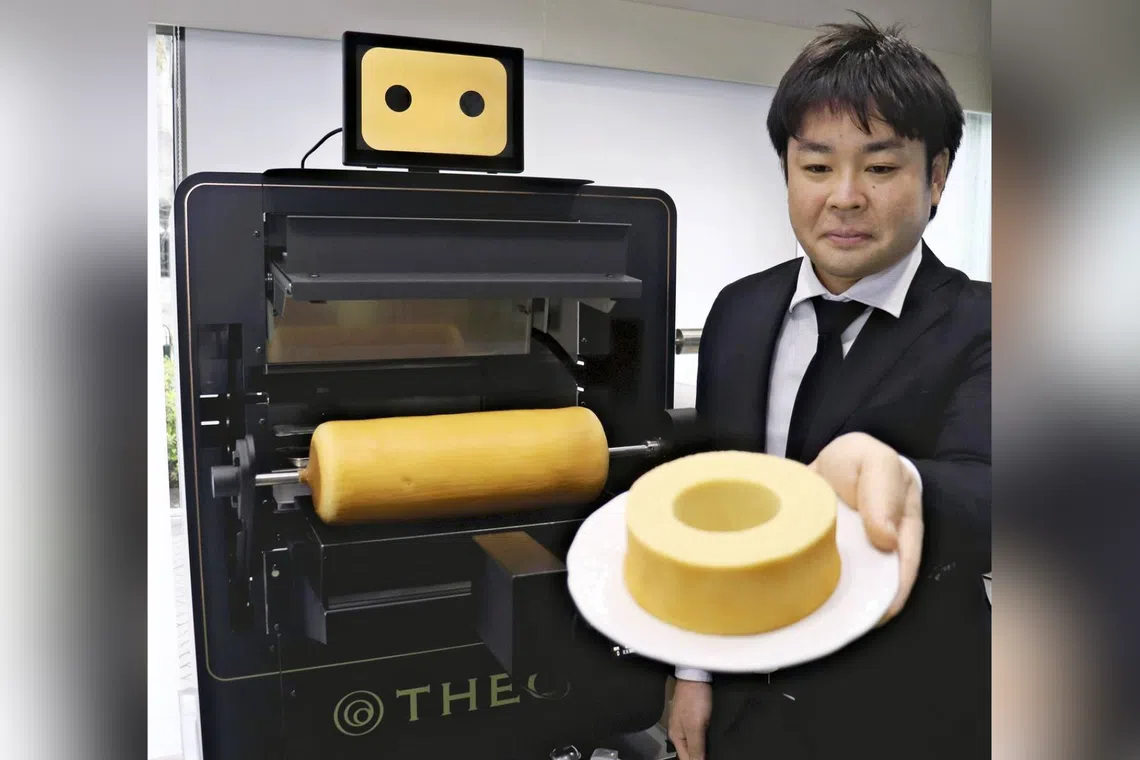
Japanese companies have begun implementing AI-powered robots to digitize and replicate "tacit knowledge"—the intuitive skills of master confectioners that were previously considered exclusively human.
What Happened
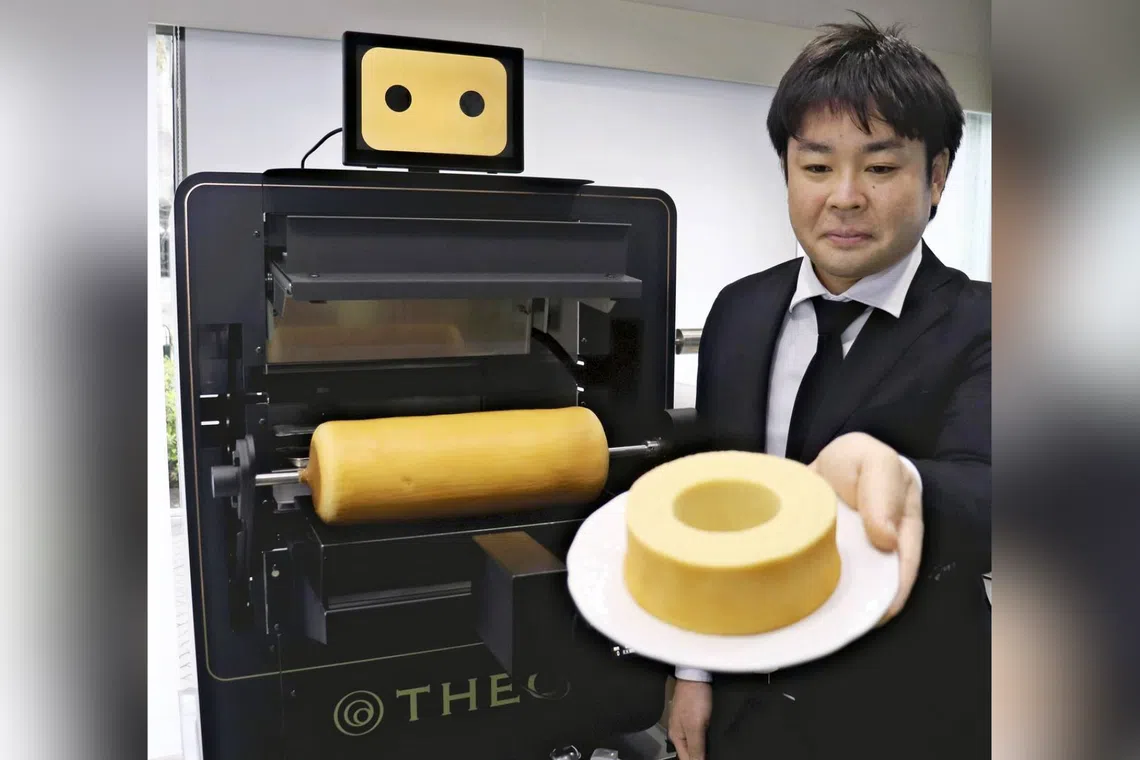
The Theo robot from Juchheim uses cameras and sensors to master the baking conditions for Baumkuchen. Simultaneously, TechMagic's technologies allow for the automation of the frying process by calculating pan rotation and heat levels based on sensory data.
Context
These solutions are being implemented against the backdrop of an acute labor shortage in Japan's food industry, where the job vacancy-to-applicant ratio reaches 2.31. Technologies are shifting from simple routine automation to capturing complex physical experience.
Why It Matters for the Industry
The transition to digitizing "tacit knowledge" through AI-driven sensing opens a market for tools that model complex craftsmanship. This allows for the scaling of unique techniques and the preservation of quality standards even during staff turnover, creating digital twins of human skills.
Why It Matters for Users
AI technologies are moving beyond chatbots and image generation, becoming a tool for transferring physical mastery into the real world. This demonstrates the applied value of AI in highly specialized niches where traditional automation is powerless.
What Is Not Yet Known / Limitations
There is a technical challenge in ensuring high reliability and data reproducibility within a closed-loop control system.
Sources
Author
Look at AI, Editorial