China is shifting toward a strategy of forced import substitution in AI hardware, presenting developers with an ultimatum: the use of domestic solutions is mandatory. This drive to overcome US semiconductor export sanctions could lead to the formation of two isolated technological worlds.

What Happened
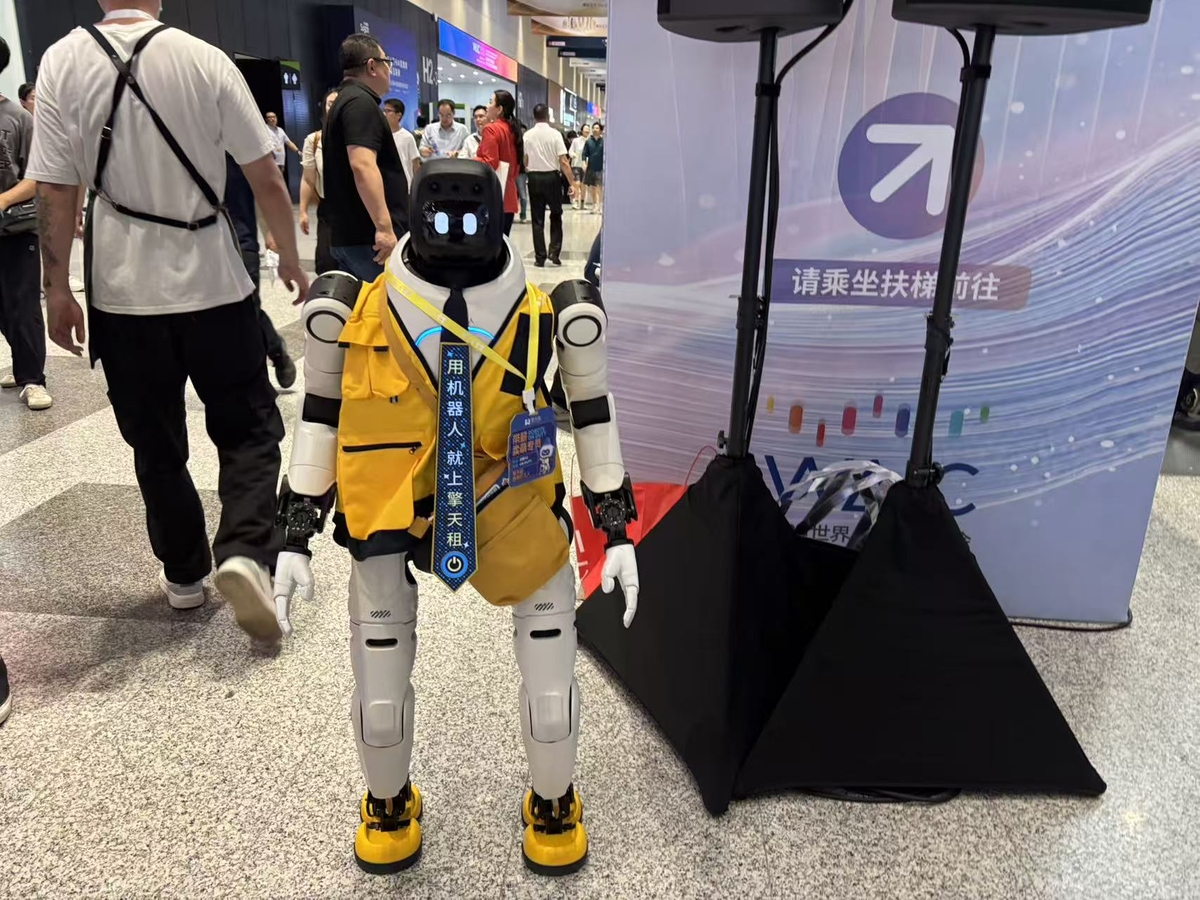
The Chinese government, through trusted intermediaries, is coordinating the creation of an alternative AI chip ecosystem. Chinese developers are effectively mandated to transition to local solutions, with any resistance being equated to betrayal. A sharp increase in the use of domestic equipment is already being observed in segments such as robotics, specifically by companies like AgiBot and UBTech.
Context
China's actions are driven by the need to overcome US restrictions on the export of advanced semiconductors. The current situation is characterized by a drive toward technological sovereignty, forcing the country to develop its own architectures and software stacks under conditions of limited access to Nvidia technologies.
Why It Matters for the Industry
For the industry, this means the risk of fragmenting the global AI hardware market into two incompatible zones. A forced transition to less mature local technologies could lead to less efficient development cycles and the degradation of established model training pipelines. At the same time, it opens niches for creating products deeply optimized for specific Chinese chipsets.
Why It Matters for Users
For users and the global community, the technological confrontation directly affects the availability of advanced AI tools and the speed of their development. China's move toward self-sufficiency could reduce Nvidia's global monopoly, but it will also complicate MLOps processes and the migration of models between different technological stacks.
What Is Not Yet Known / Limitations
Experts are divided on the consequences: some predict inevitable market fragmentation, while others see opportunities for the emergence of specialized AI verticals tailored to local hardware.
Sources
Author
Look at AI, Editorial Team