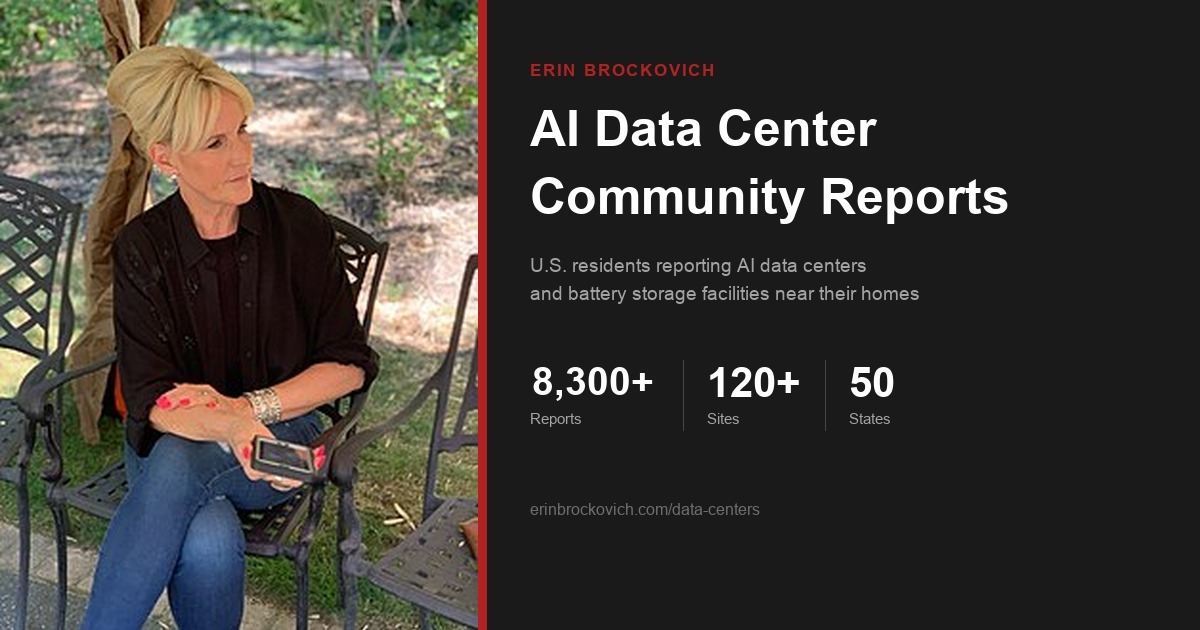
The Brockovich Data Center Reporting initiative has introduced an interactive map tracking the impact of AI-serving data centers on the environment and society in the United States. The project documents the growing tension between the needs of computing infrastructure and the interests of local communities.
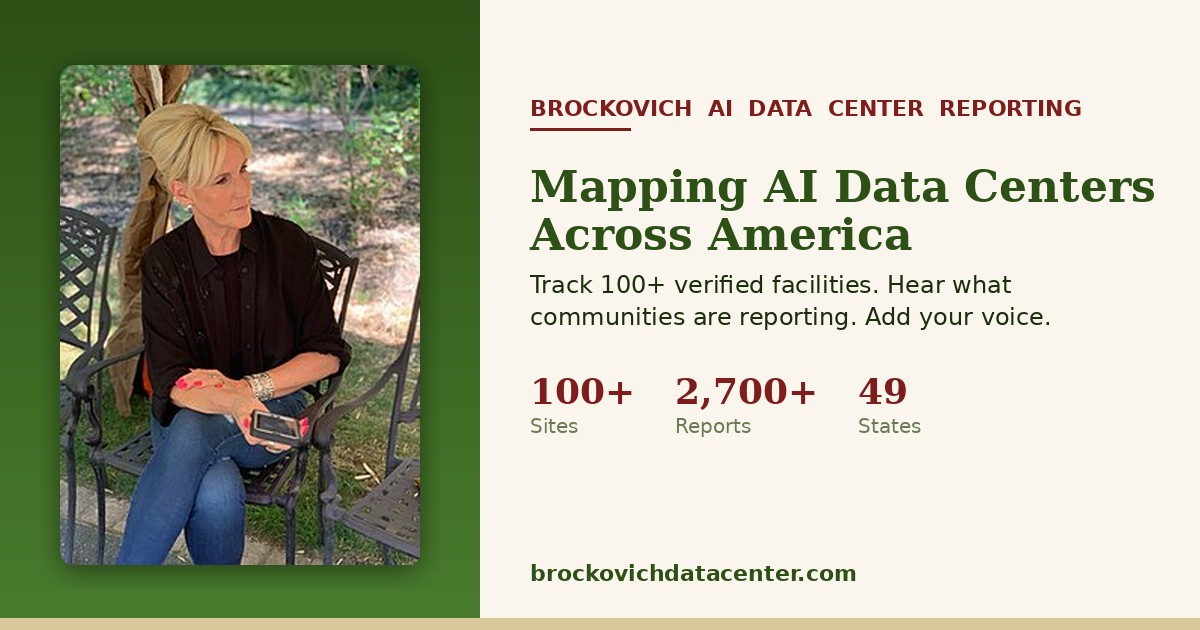
What Happened
An interactive map has been launched to monitor the impact of data centers on the environment and society. Currently, 33 operational, 66 under construction, and 44 proposed sites have been recorded. The system has already received over 8,300 reports from residents highlighting issues related to noise, electronic waste, as well as excessive water and electricity consumption.
Context
The development of AI requires a massive expansion of physical infrastructure. However, this is facing real social and political resistance: protests and attempts to legislatively ban new construction are already being observed in states like Maine and Montana. Increasing public awareness through monitoring maps like this intensifies pressure on the permitting process for new projects.
Why It Matters for the Industry
For the industry, rising resistance translates into direct operational risks during scaling. This could lead to delays in obtaining permits and stricter regulatory requirements regarding energy efficiency and water consumption. In the long term, the industry will be forced to shift from a "growth at all costs" strategy to resource optimization, creating demand for new B2B solutions for resource management and "green" cooling architectures.
Why It Matters for Users
For everyday users, the development of AI comes with a real physical cost. Increased infrastructure load can directly affect utility costs, water resource availability, and the overall environmental situation in regions where large computing hubs are located.
What Remains Unknown / Limitations
There is a divergence in how consequences are assessed: technical specialists focus on infrastructural risks, while entrepreneurs view these constraints as opportunities to create new products in the fields of compliance and resource management.
Sources
Author
Look at AI, Editorial Team