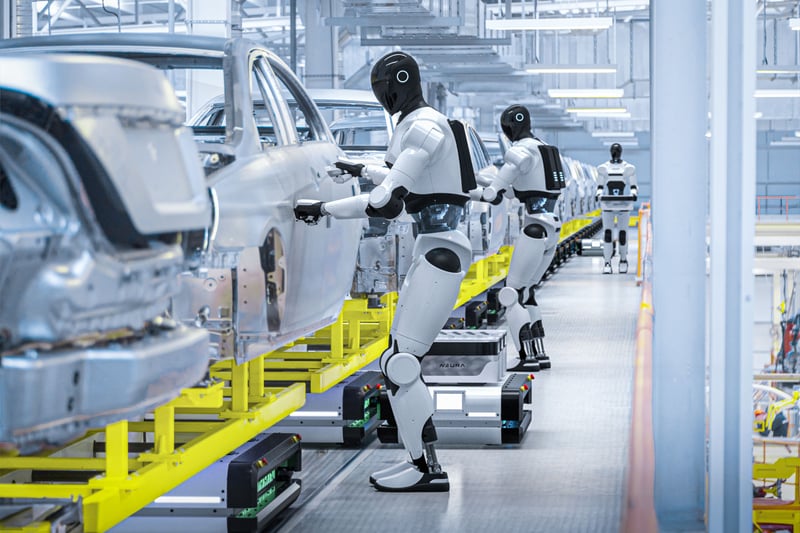
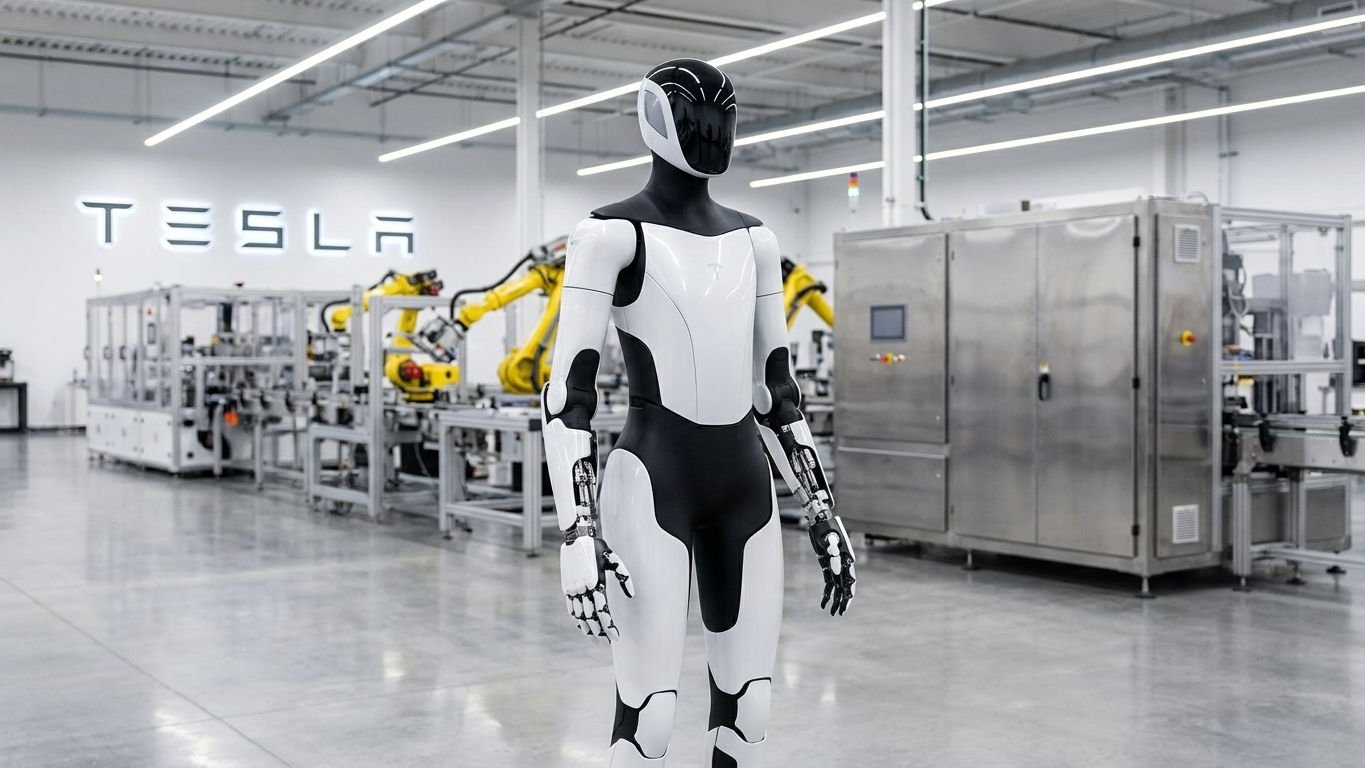
Tesla is launching a large-scale data collection project at its Gigafactory in Grünheide, Germany, in August 2026. Employees will use special camera backpacks to capture precise sequences of physical manipulations and movements on the assembly line to create a foundation for training the neural networks of the Optimus humanoid robot.
What Happened
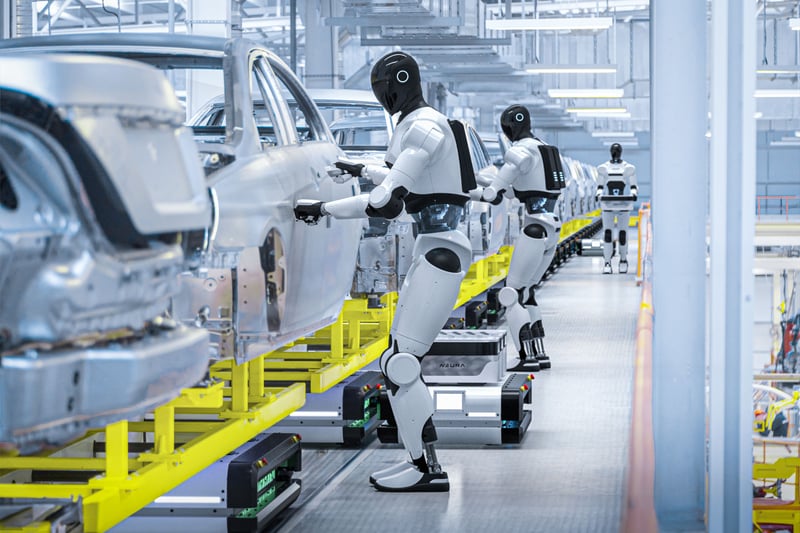
In August 2026, Tesla will begin collecting high-quality real-world telemetry at its production facility in Germany. To achieve this, workers will be equipped with wearable cameras in the form of backpacks, allowing them to record complex sequences of physical manipulations and movements in real assembly line conditions.
Context
This project marks the company's transition from training robots exclusively in virtual simulations to utilizing live data sources. The collection of direct telemetry aims to bridge the "sim-to-real gap" between training in a digital environment and physical task execution in the complex real world.
Why It Matters for the Industry
For the robotics industry, this establishes a new standard for data collection. Moving from synthetic datasets to real-world data enables the creation of reliable industrial robots, shortening the distance between laboratory models and factory-ready devices.
Why It Matters for Users
For readers, this is a significant signal regarding the transformation of physical labor: employees are effectively becoming "teachers" for AI, turning their professional skills into digital assets for manufacturing automation.
What Is Not Yet Known / Limitations
There is a potential conflict between the technical goals of the project and legal issues regarding intellectual property protection and employee privacy (Global AI IP Privacy Counsel).
Sources
Author
Look at AI, Editorial Team