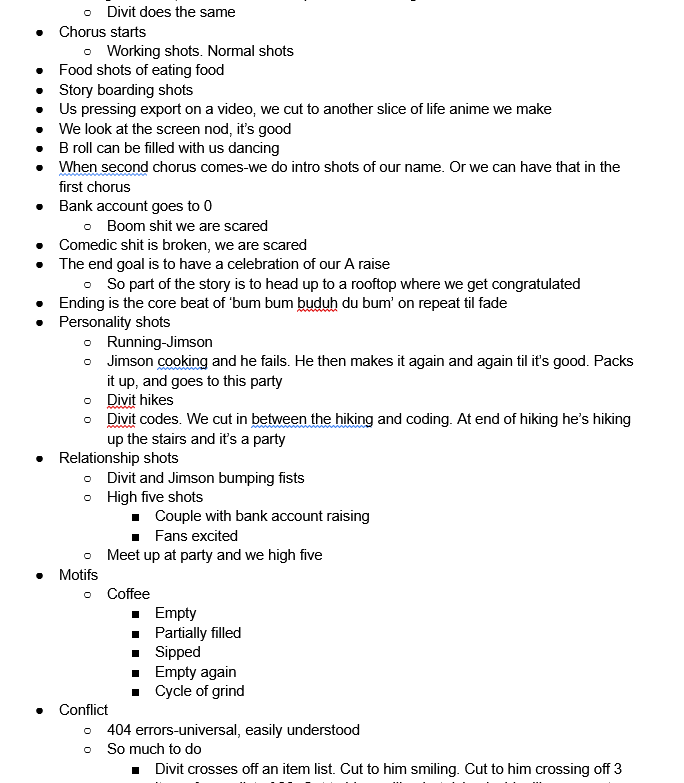
Aventos Studio has introduced an innovative four-stage hybrid anime production process that combines human creative control with the power of generative AI models to optimize production costs.
What Happened
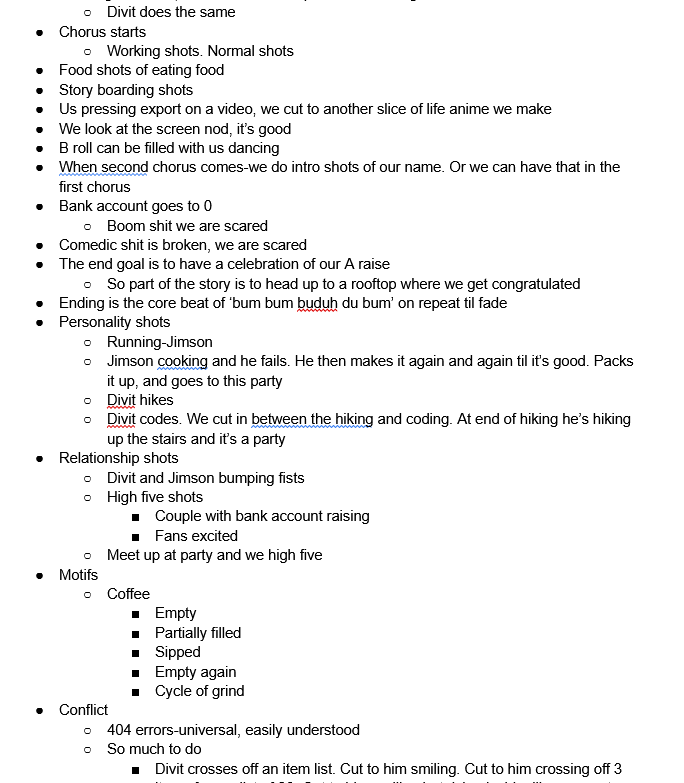
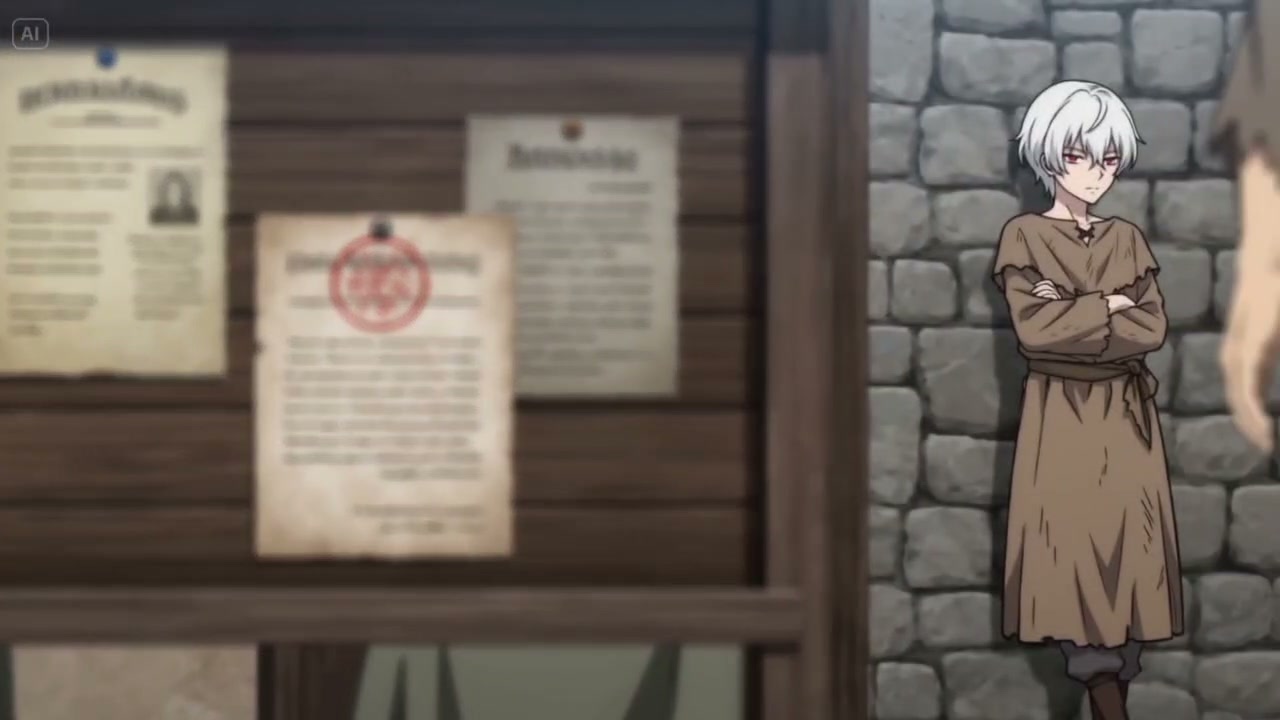
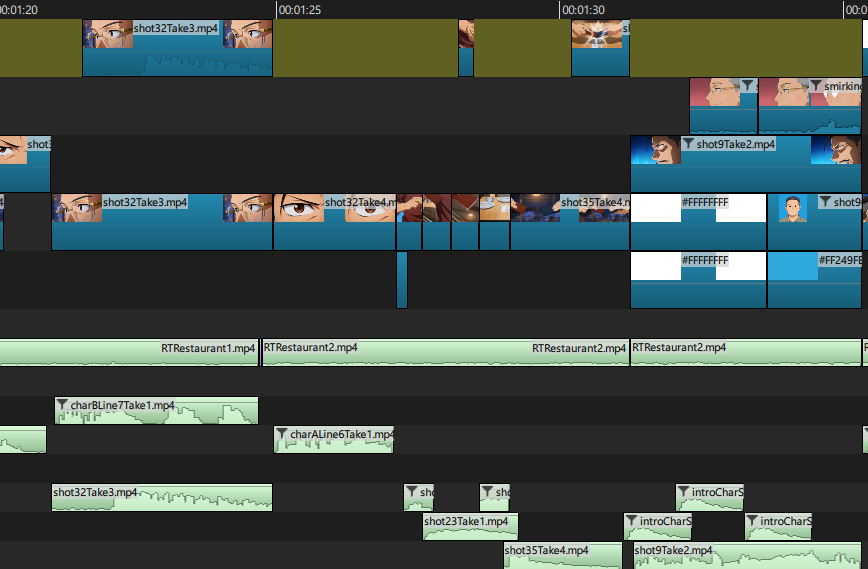
Aventos has developed an industrial pipeline consisting of human-written scripts, draft creation using available AI models, subsequent high-quality frame regeneration, and final post-processing. Specialized tools are used for technical tasks: Topaz Labs and DaVinci Resolve for artifact correction and upscaling from 720p to 1080p, as well as ElevenLabs and AI generation for sound and sound design.
Context
Instead of attempting to create fully autonomous end-to-end generative content, the Aventos approach focuses on integrating existing SOTA models into a structured workflow. This allows AI to be used as a high-performance executor of routine visual and audio tasks, while key creative decisions remain with professionals.
Why It Matters for the Industry
The project demonstrates a viable business model where AI does not replace artists but takes over labor-intensive routine work. This reduces financial risks and allows budgets to be redistributed toward improving script quality and paying highly skilled specialists, creating opportunities for low-budget production of high-quality content.
Why It Matters for Users
For viewers and content consumers, this means the emergence of new formats of high-quality animation with a lower barrier to entry for independent studios. The technology stack (Topaz Labs, ElevenLabs, etc.) is becoming an industry standard, ensuring predictable results while maintaining human quality control.
What Is Not Yet Known / Limitations
There are serious risks regarding intellectual property, which are currently being largely ignored by discussion participants and specialized AI IP rights experts.
Sources
Author
Look at AI, Editorial Team