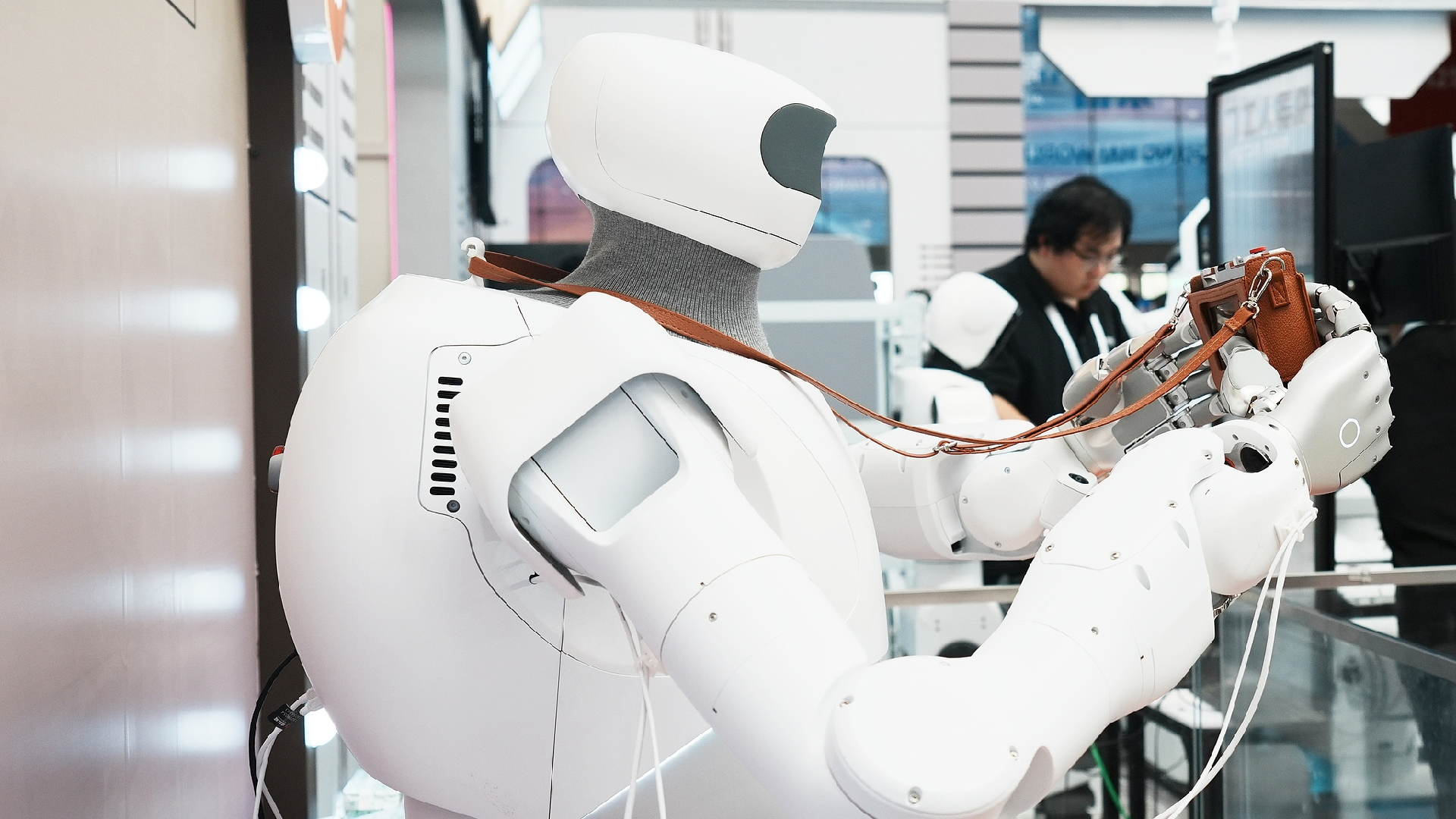
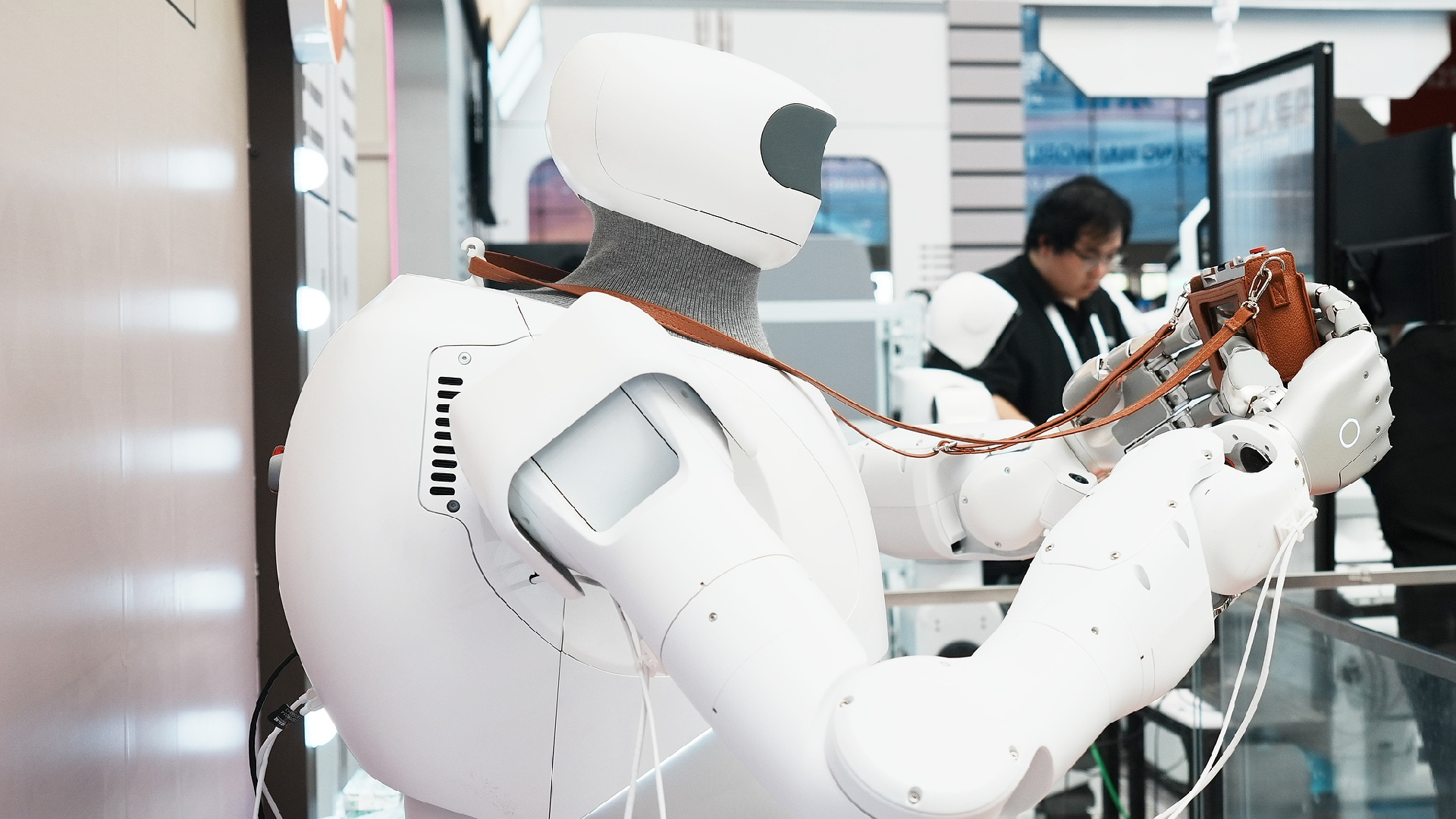
The World AI Conference (WAIC 2026), held in Shanghai from July 17 to 20, marked a critical stage in technological development: moving from the race of theoretical benchmarks to the large-scale implementation of AI in industry, consumer devices, and the creation of full-fledged agentic ecosystems.
What Happened
Key technological solutions were presented at the conference, including the Huawei Atlas 950 SuperPoD supernode based on Ascend processors and ultra-scalable clusters such as the Sugon Dawn 8000 with 100,000 cards. In the software sphere, StepFun introduced the Step Agent OS agentic operating system, while MiniMax demonstrated the M3 multimodal model with support for up to 1 million tokens of context. The Unitree GD01 robotics platform was also showcased, capable of reconfiguring from a humanoid to a quadrupedal form.
Context
The current state of the industry is characterized by China's attempts to create an infrastructure independent of Western technologies amid Nvidia chip restrictions. According to the Stanford AI Index, the technological gap between the best American and Chinese LLMs has narrowed to 2.7%, indicating a rapid convergence of performance metrics.
Why It Matters for the Industry
For the industry, WAIC 2026 confirmed the viability of alternative model scaling paths without using Nvidia GPUs by utilizing Chinese hardware stacks (Ascend, Sugon). There was also a noticeable shift toward developing specialized agentic protocols and operating systems, which will become the new standard for managing digital and physical assets.
Why It Matters for Users
For end users, the era of "agentic" systems is arriving. AI is ceasing to be just a chatbot interface and is transforming into an active environment capable of managing devices on smartphones, PCs, and in vehicles, as well as integrating into the physical environment through advanced robotics.
What Remains Unknown / Limitations
Experts assess the significance of the narrowing technological gap differently: for some, it is a sign of parity, while for others, it is a signal of growing competition and new regulatory risks for Western businesses.
Sources
Author
Look at AI, Editorial Team