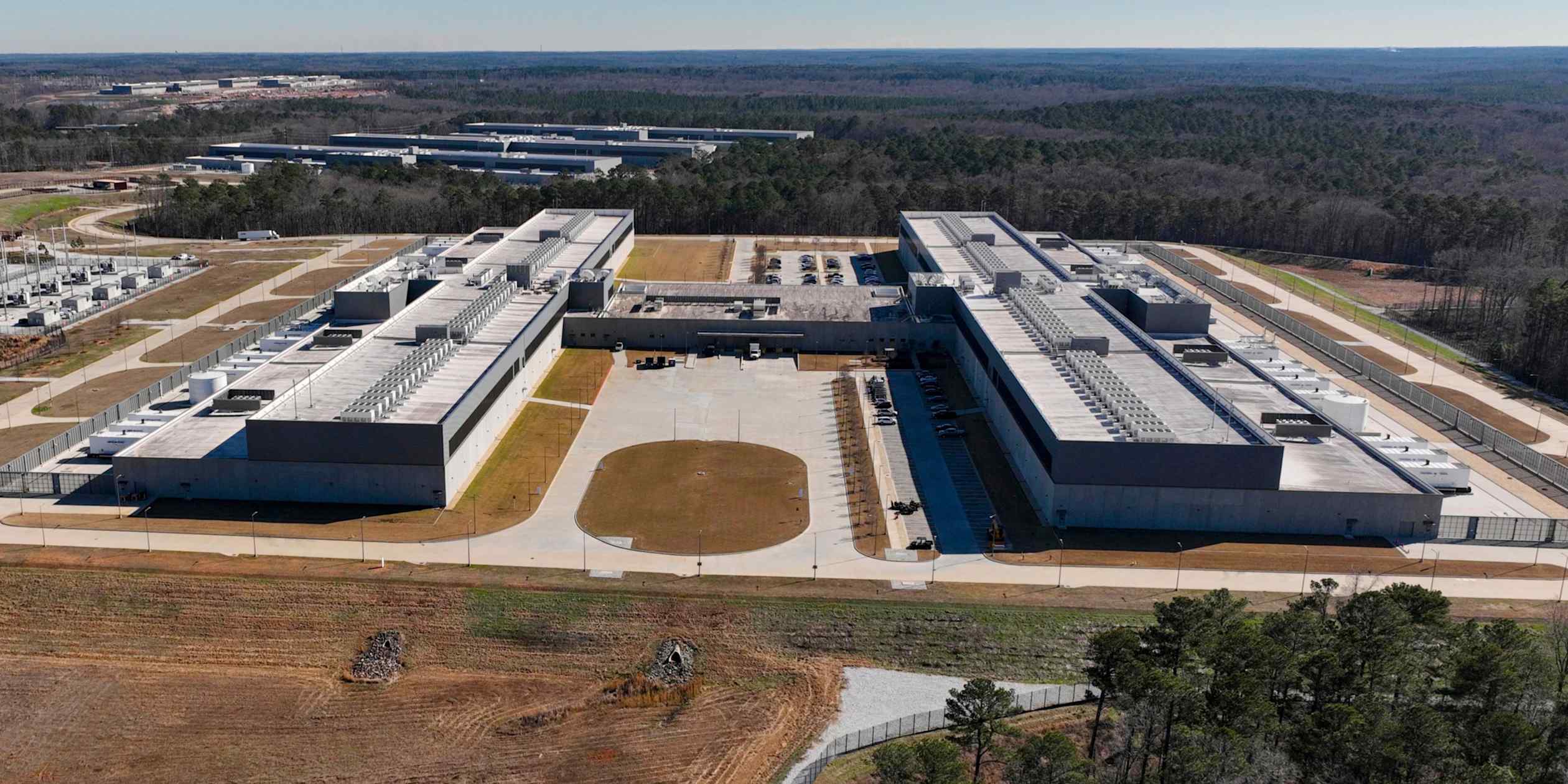
Massive investments in artificial intelligence infrastructure have led to a sharp rise in off-balance-sheet liabilities among the five largest US tech companies. Total hidden debt has reached $1.65 trillion, indicating an extreme level of leverage in the current AI arms race.

What Happened
Over the past four years, the volume of hidden liabilities of tech leaders has increased eightfold, reaching the $1.65 trillion mark. The main drivers of this growth have been long-term contracts for GPU supply and data center rentals. Specifically, Meta's hidden debt is estimated at approximately $420 billion, which is nearly three times its officially declared debt.
Context
The growth in debt is driven by the aggressive scaling of computing power to support new AI technologies. The use of long-term contracts for equipment supply and infrastructure services allows companies to bypass traditional financial reporting methods, creating an opaque picture of real obligations.
Why It Matters for the Industry
For the industry, this growth in opaque liabilities among key players makes it difficult to adequately assess market risks and the financial stability of the entire sector. This could trigger volatility in the infrastructure services market and lead to sharp changes in the cost of computing resources if existing contract terms are revised.
Why It Matters for Users
For readers and users, this is a signal of the extreme aggressiveness of the current AI race and the high financial vulnerability of even the world's largest corporations. This situation increases the risk of a systemic financial shock in the tech sector if the pace of ROI on AI investments does not align with the repayment schedule of accumulated liabilities.
Sources
Author
Look at AI, Editorial Team