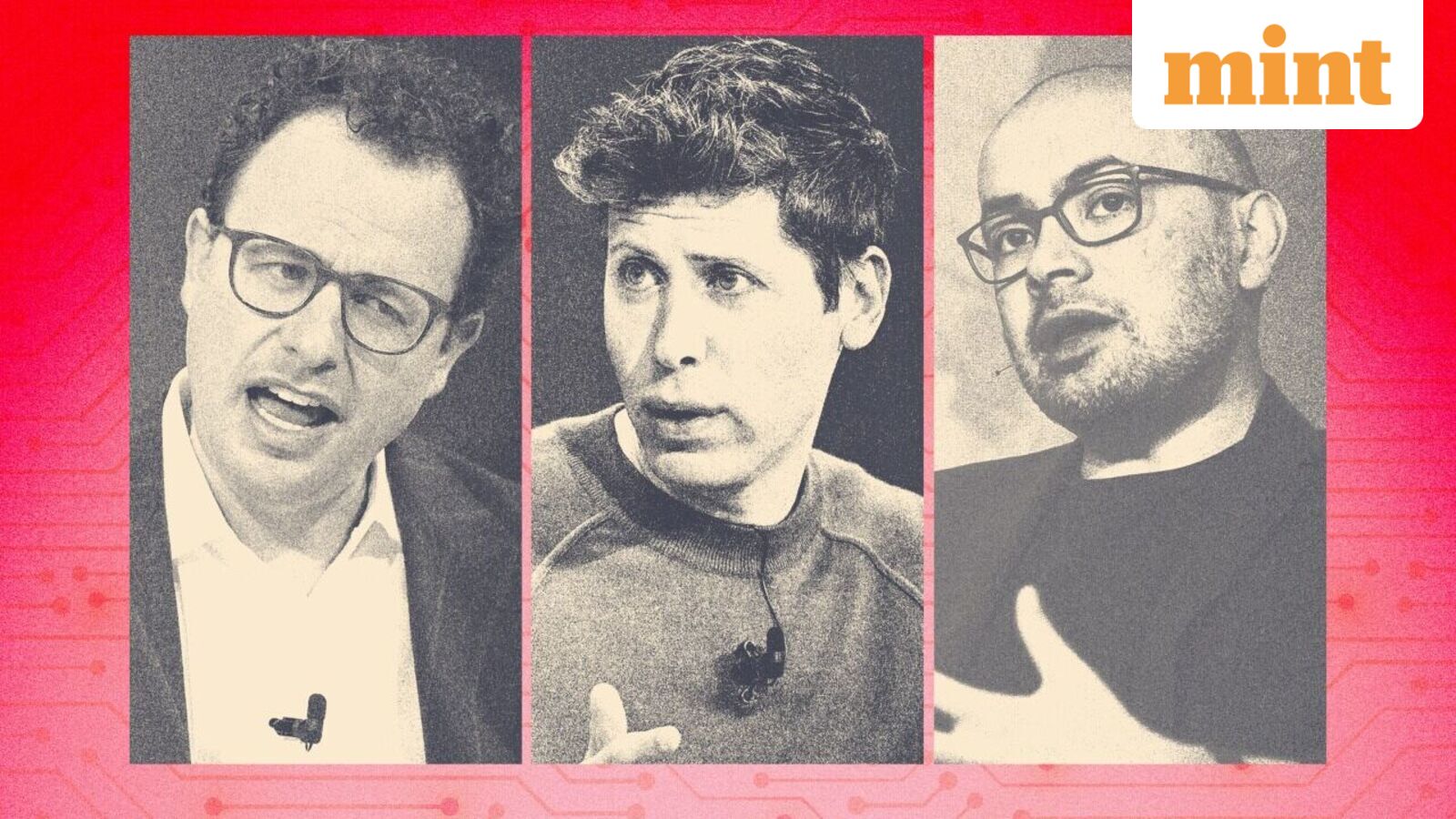
Executives from leading American companies, including OpenAI and Anthropic, are expressing serious concern over the development of powerful and cheap Chinese AI models, which could change the rules of the game in the global market.

What Happened
Leaders of the American AI industry have stated the risks associated with the expansion of Chinese developments, such as Moonshot AI's Kimi K3, Alibaba's Qwen 3.8 Max, and DeepSeek. The primary concerns involve the safety of using open-weight models and the threat to the economic model of developing frontier systems.
Context
In an environment where high-quality AI could become a state-sponsored "public good" (in this case, by China), traditional market mechanisms for recouping large-scale R&D investments in the US are under threat. Furthermore, DeepSeek is already facing restrictions on its use within US government agencies.
Why It Matters for the Industry
The development of cheap Chinese alternatives creates massive pressure on the margins of American closed API services and cloud providers. This could trigger increased government regulation in the US regarding open-weight models under the pretext of ensuring national security.
Why It Matters for Users
For users and developers, the battle for AI leadership is shifting from pure quality (SOTA) to the realm of geopolitics and the cost of technology access. This could lead to market fragmentation into "closed Western" and "open/subsidized Eastern" segments.
What Is Not Yet Known / Limitations
There is a difference in how consequences are perceived across various groups: while business architects and founders see this as a security threat, independent developers perceive cheap models as a positive factor that lowers the barrier to entry.
Sources
Author
Look at AI, Editorial Team