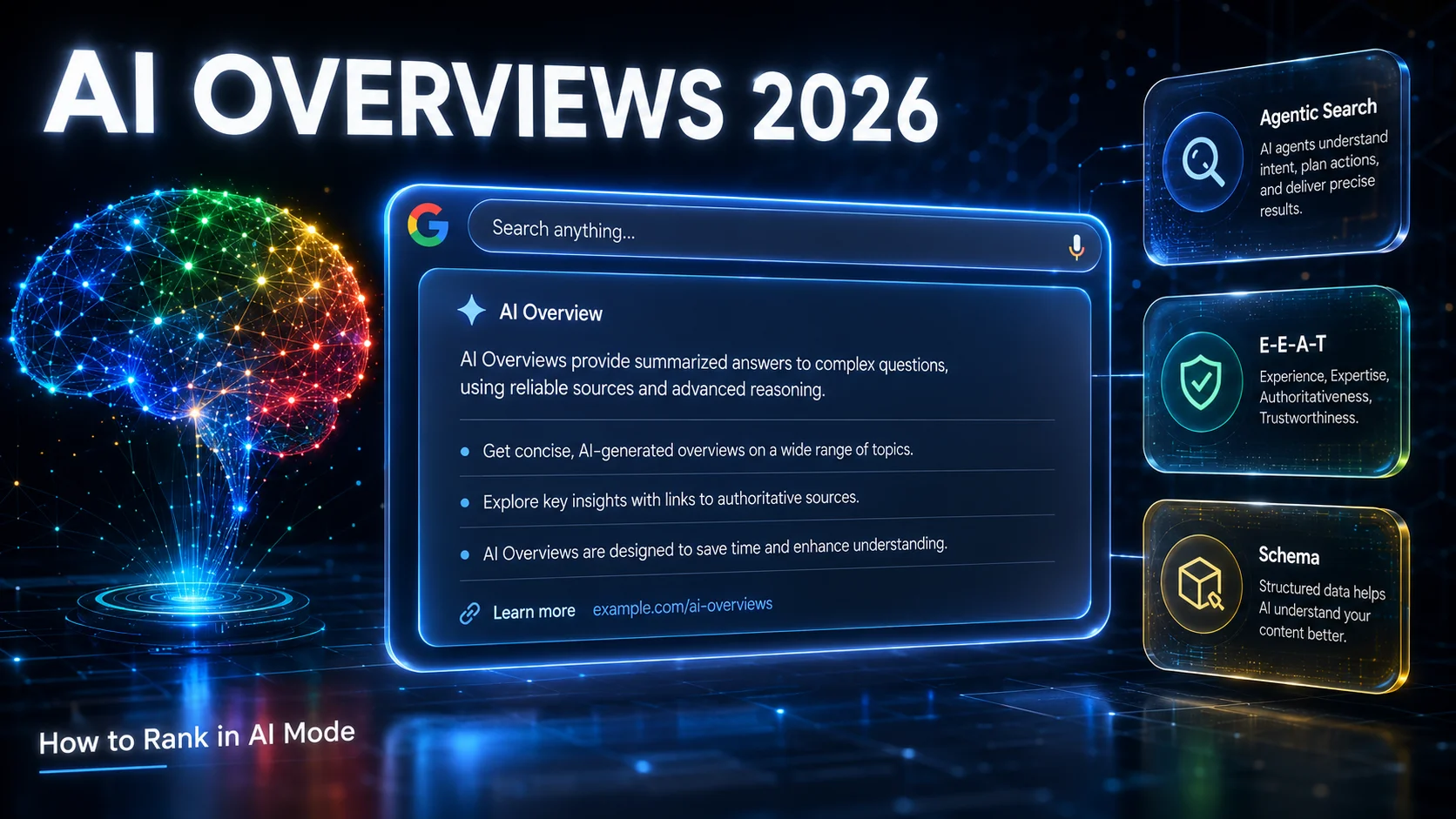
With the Google I/O 2026 update, the traditional search engine results page is transforming from a list of "blue links" into AI Overviews—a system of direct answers generated by agentic AI. This shift requires SEO specialists to transition to an Agentic SEO strategy, where the key factor is no longer keyword density, but structural accuracy and data machine-readability.
What Happened
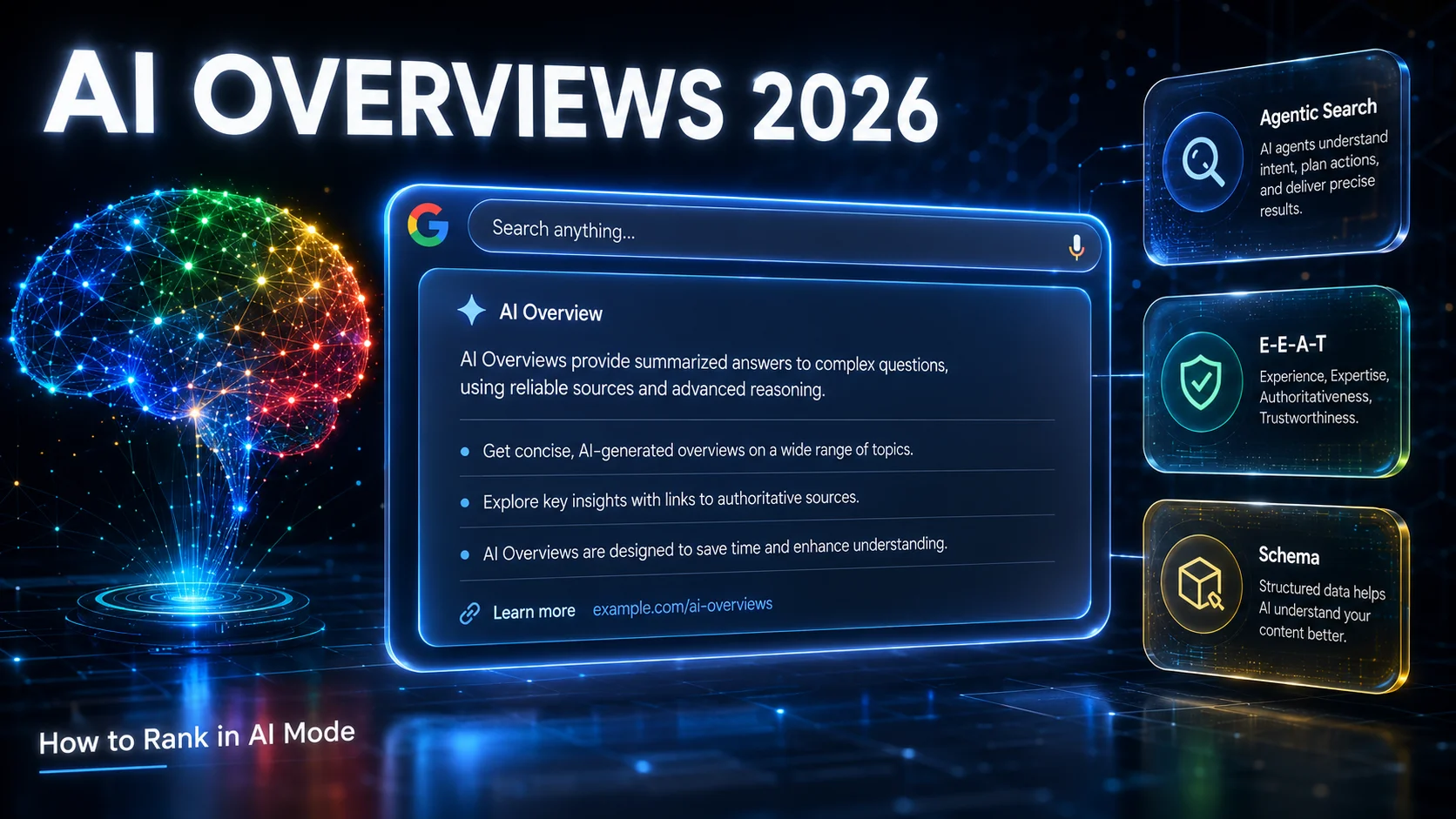
Google is implementing AI Overviews, which provide users with ready-made answers formed using agentic AI. As a result, search engine results are shifting from indexing individual keywords to a process of structured knowledge extraction. This forces content creators to adapt their websites to new standards of interaction with AI agents.
Context
Modern search is moving from a model of providing links to sources to a model of generating answers. Within this new paradigm, the value of content is determined by its ability to be quickly and accurately processed by models. Key adaptation tools include the use of FAQ schemas, the implementation of advanced Schema Markup, and placing the most important answers to questions in the first paragraph of the text.
Why It Matters for the Industry
A new Agentic SEO market is forming for the tool development and content marketing industries. Developers need to implement deep micro-markup and structured data so that their resources are included in cited AI answers. In the long term, this will lead to the emergence of new web development standards focused on machine-readability and automated content verification for "agent-readability."
Why It Matters for Users
Traditional SEO methods based on keyword selection are losing their effectiveness. For readers and website owners, it is important to understand that the primary channel for receiving traffic is no longer a direct visit to the site, but the citation of data in LLM answers. To maintain visibility, it is necessary to revise content planning strategies in favor of creating maximally structured and useful information.
What Remains Unknown / Limitations
There are risks of losing organic traffic and legal uncertainty regarding the use of content for training and generating answers by AI agents.
Sources
Author
Look at AI, Editorial Team