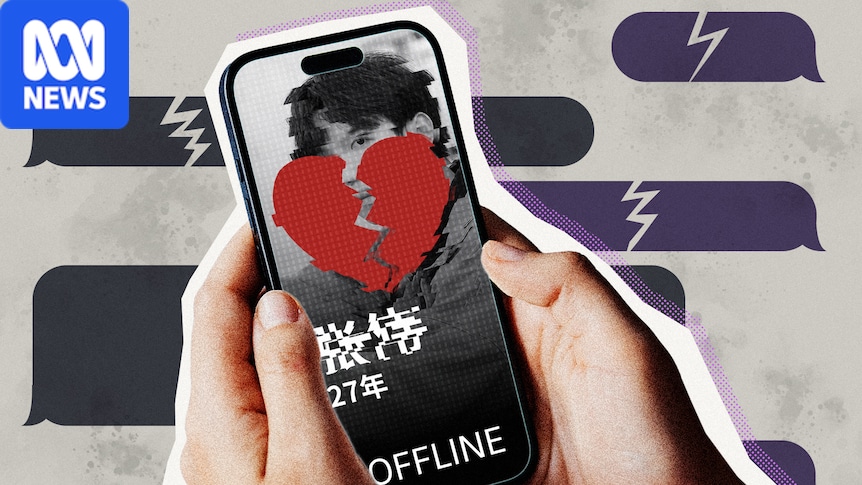
Chinese authorities have introduced new regulations for AI companions and chatbots to prevent the development of emotional dependency among citizens on virtual entities and to address issues of social isolation.
What Happened
The new regulation prohibits offering AI partners to minors, mandates that technology platforms limit excessive AI use, and requires intervention in system operations if a user is in a severe emotional state. Companies are obligated to implement mechanisms for real-time monitoring of users' emotional states.
Context
These measures are aimed at addressing the country's large-scale social and demographic challenges, specifically combating social isolation among youth. The regulator seeks to prevent situations where virtual relationships replace the real marriage market, thereby lowering demographic indicators.
Why It Matters for the Industry
Tech giants such as ByteDance, Alibaba, and Tencent will need to urgently redesign the functionality of their personal AI agents. Developers will have to shift from a strategy of maximizing engagement to implementing strict age control systems and emotional monitoring, which may slow the pace of releasing new features in the emotional AI segment.
Why It Matters for Users
Users in China will have to refrain from forming deep emotional attachments to AI entities. The global trend toward the development of AI companions may face a precedent of direct state intervention in the digital emotional sphere and the establishment of new standards for digital well-being.
What Is Not Yet Known / Limitations
The regulation focuses on addressing broad social and demographic issues, which goes beyond purely technical aspects of model safety.
Sources
Author
Look at AI, Editorial Team