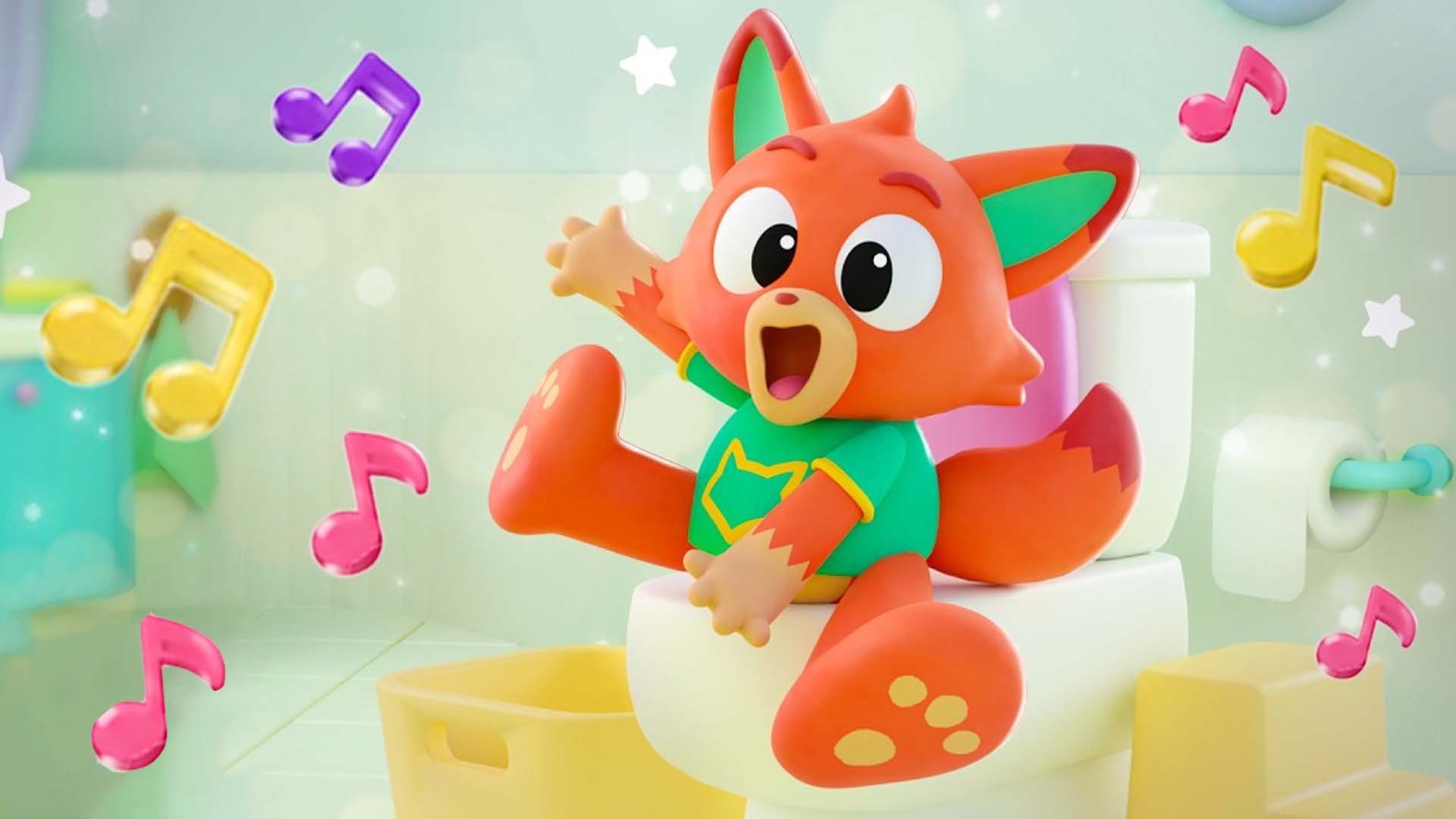
Disney has begun using generative AI to create its new animated musical series, Ozzy Fox, for YouTube, marking the media giant's transition toward mass application of neural networks in production.
What Happened
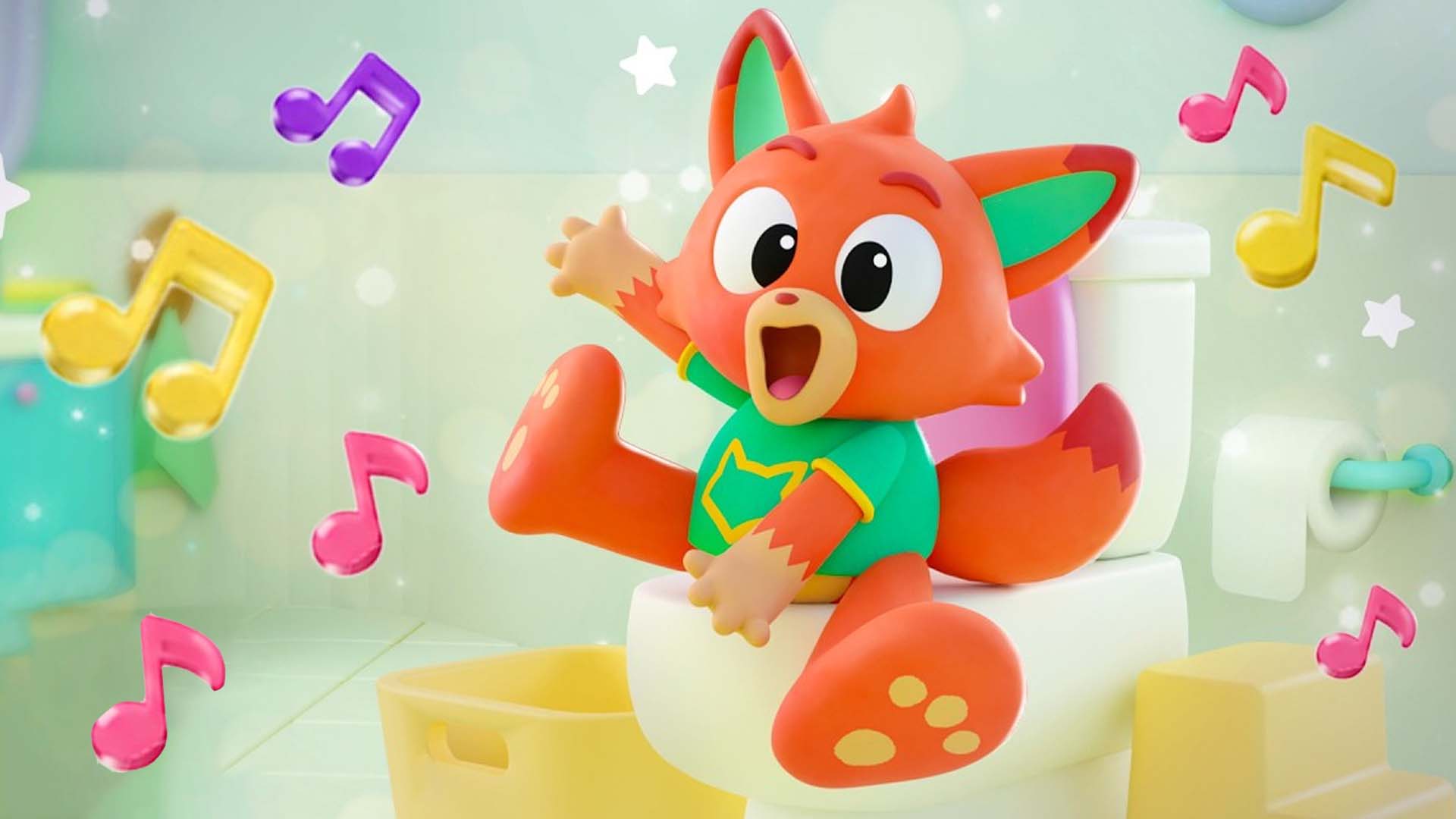
In partnership with the French studio Animaj, Disney released the series Ozzy Fox, created using a generative AI-based digital-first model. The application of these technologies has led to the appearance of visual artifacts, including anatomical errors in objects and inconsistencies in background details.
Context
This project is part of Disney's large-scale strategy to integrate AI into its business processes, which includes multi-billion dollar investments in OpenAI and plans to create user-generated content using the studio's characters.
Why It Matters for the Industry
The transition from experimentation to production-grade use of generative models radically changes the economics of animation by lowering the barrier to entry and production costs. However, this creates risks of content quality degradation, known as "AI slop," and necessitates new AI quality control tools to eliminate artifacts.
Why It Matters for Users
Viewers may encounter a sharp increase in the volume of low-budget, visually "smooth" but technically imperfect content on YouTube and streaming platforms. This is a significant case study of how AI content is beginning to mass-penetrate the everyday consumption environment of children.
What Is Not Yet Known / Limitations
There are disagreements regarding the assessment of economic consequences: while developers emphasize scalability, experts point to risks of brand degradation and difficulties in ensuring visual data consistency.
Sources
Author
Look at AI, Editorial Staff