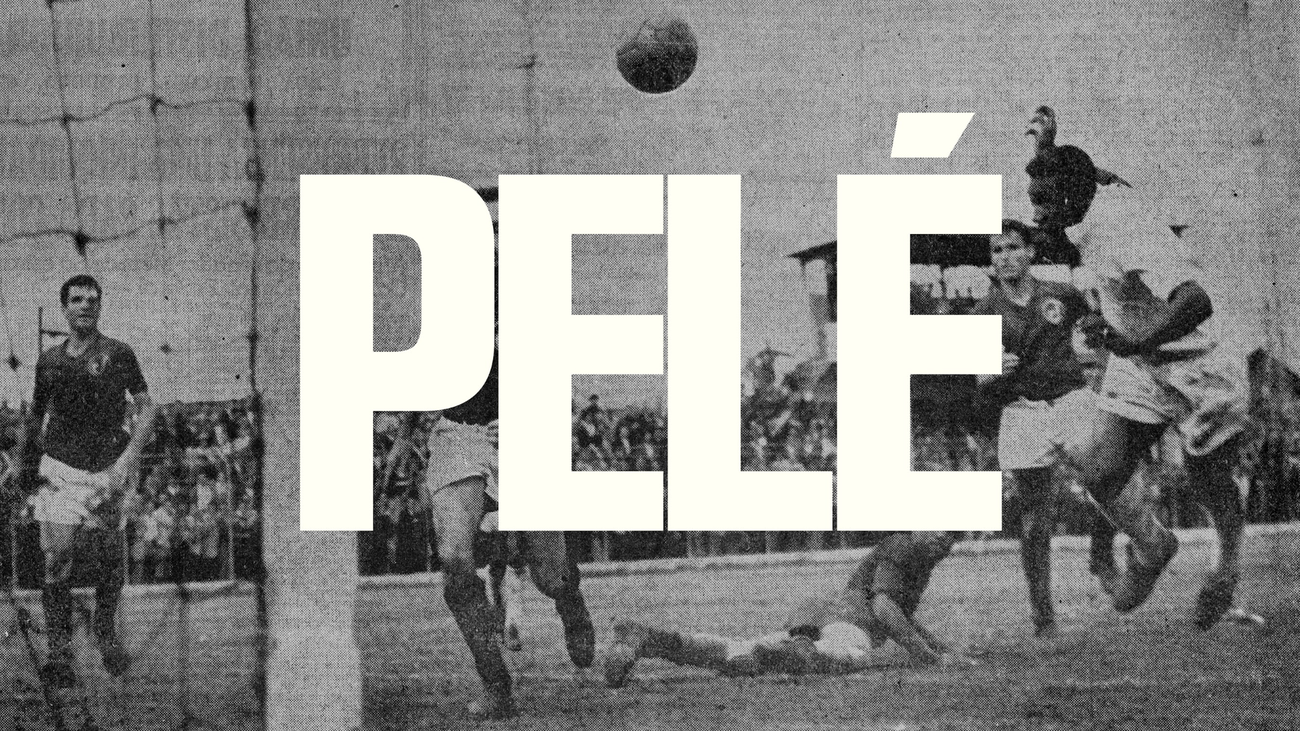
The Google DeepMind team has presented a project to reconstruct the famous "lost goal" of legendary footballer Pelé, using a hybrid method that combines artificial intelligence capabilities with traditional filmmaking techniques.

What Happened
A hybrid pipeline was used to restore the footage. The Performance Control feature of the Veo 3 video generator allowed for the extraction of 3D motion geometry from a stunt double, creating a precise physical framework. Gemini Omni and Nano Banana Pro models were utilized to detail faces and the surrounding environment. Finally, the digital result was transferred onto actual film using a hardware film recorder to achieve maximum authenticity.
Context
The project demonstrates a shift from purely generative models to hybrid approaches, where AI operates on top of strictly defined physical and geometric parameters. This helps avoid the "hallucinations" and biomechanical movement errors typical of diffusion models, ensuring the accuracy required for historical reconstruction.
Why It Matters for the Industry
For the AI industry, this signals a paradigm shift: from pure prompt engineering to controlled generation via geometry and physical constraints. Such "Physical Capture -> AI Refinement" workflows could become a standard in professional video production, allowing motion data to be integrated directly into generative models.
Why It Matters for Users
For the general audience and history enthusiasts, this is an example of how neural networks can restore lost cultural artifacts with high precision, while preserving the aesthetics and texture of the original era without relying on cheap digital filters.
Sources
Author
Look at AI, Editorial Team