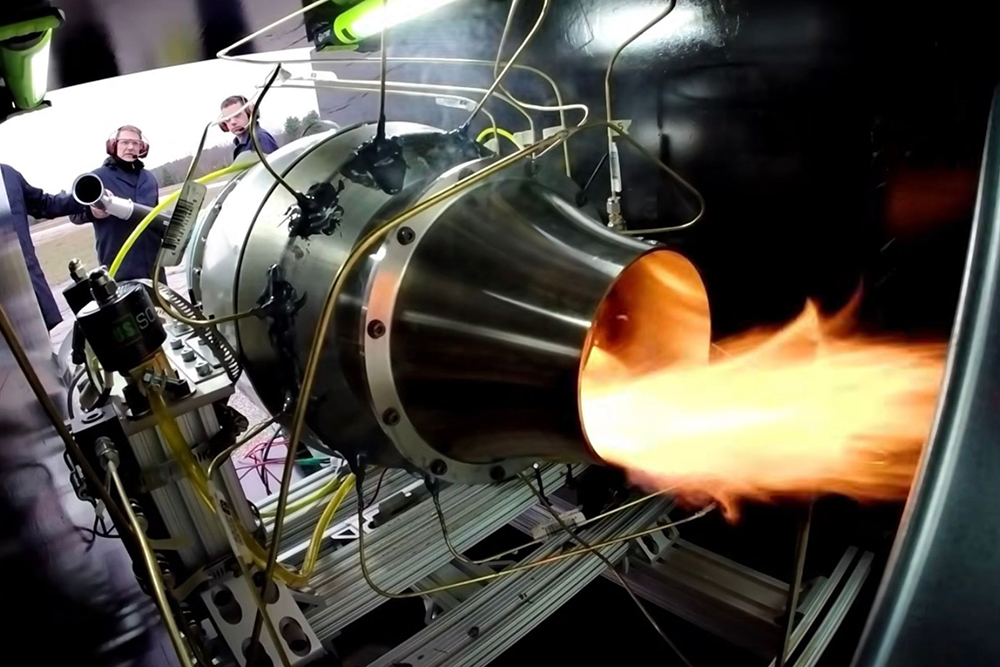
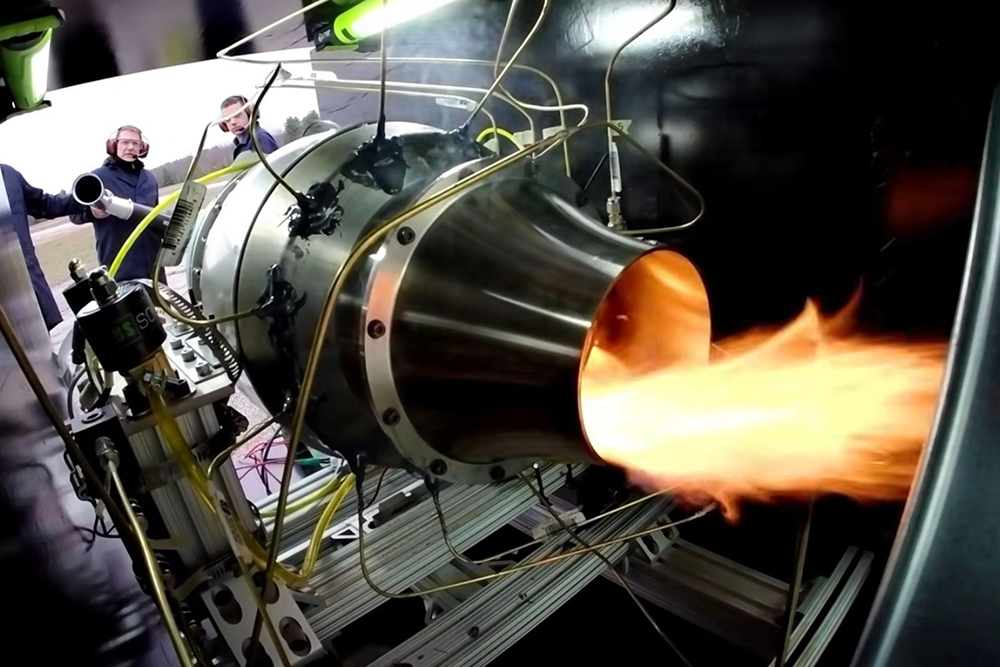
As part of the JARVIS Challenge experiment, MIT students attempted to design and assemble a small jet engine in just four weeks, using modern LLMs as AI copilots for analysis and design.
What Happened
Participants in the experiment used the MIT Parley platform, which integrates modern large language models, to design and assemble an engine with 50–100 pounds of thrust. The results showed that AI significantly accelerates information retrieval and the automation of engineering workflows, but it also makes errors due to hallucinations and a lack of physical intuition.
Context
The experiment was conducted using the MIT Parley platform, which allows for the integration of AI into complex engineering cycles. The project aims to test the capabilities of AI copilots in high-tech fields such as aerospace and hardware development.
Why It Matters for the Industry
For the industry, this experiment demonstrates the potential for shortening R&D cycles in sectors like aerospace and hardware. This paves the way for creating specialized engineering AI agents and systems integrated with CAD/CAE tools, and stimulates the development of methods for automated verification of physical properties in design.
Why It Matters for Users
For engineers, AI is becoming a powerful tool that does not replace the specialist but changes their role. The focus is shifting from routine searching and primary design to high-level AI supervision and critical verification of the model's outputs.
What Remains Unknown / Limitations
There is a risk of critical errors in physical design due to the models' tendency to hallucinate and their lack of an intuitive understanding of physical laws. Strict human-in-the-loop control is required.
Sources
Author
Look at AI Editorial Team