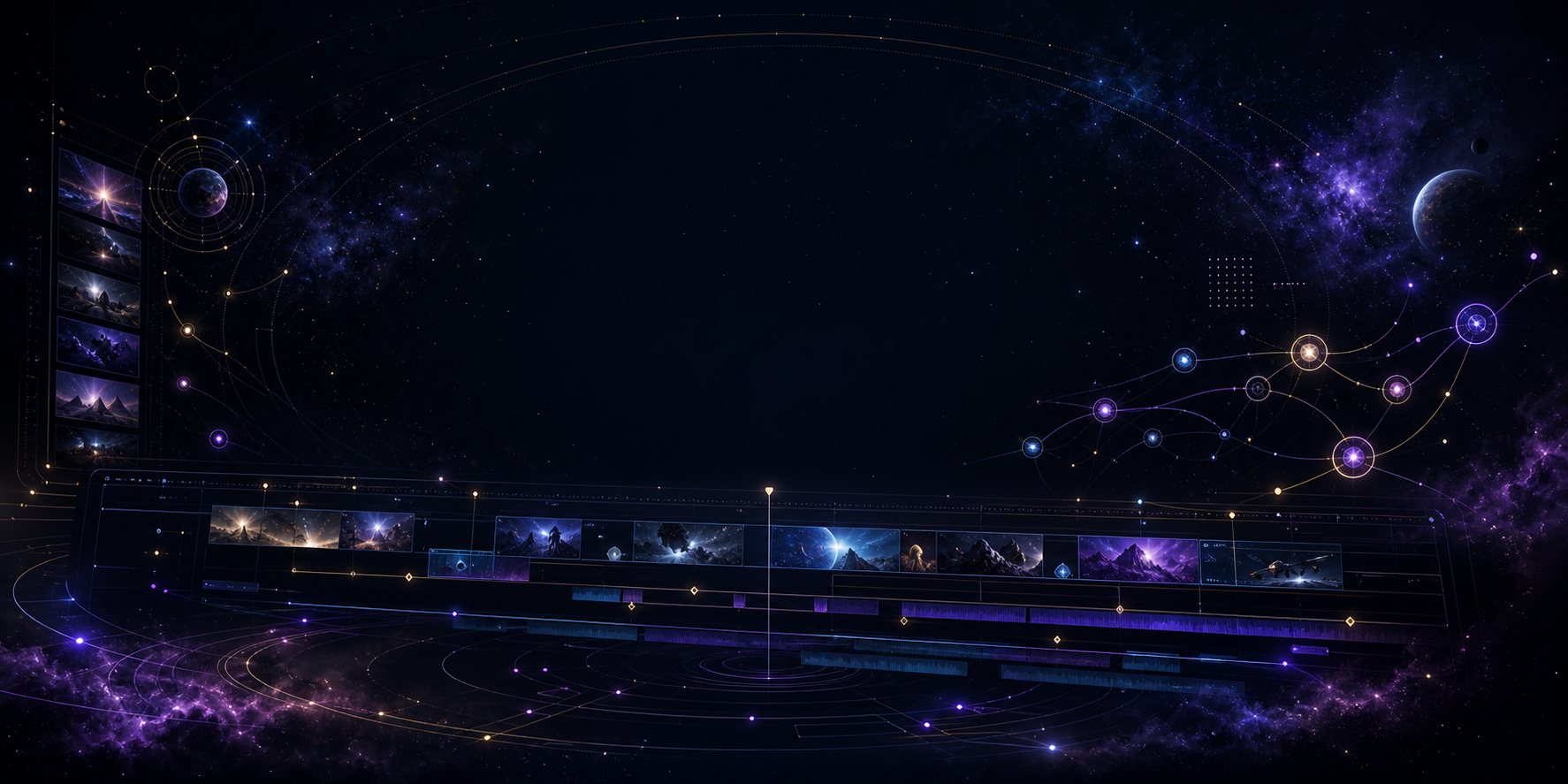
The ComfyStudio project has undergone a rebranding to Velorn and has introduced an updated video workstation architecture focused on deep automation through integration with the Model Context Protocol (MCP).

What Happened
Velorn has transitioned from a simple interface model to a full-fledged workstation for ComfyUI. The update includes the implementation of an editing timeline, an audio mixer with effect support (compressor, limiter, reverb), and support for the MCP protocol. This allows external AI agents, such as Claude Code or Cursor, to directly manage the editing process, adjust volume, add audio effects, and automate the assembly of complex workflows.
Context
Previously, video generation tools were often limited to simple interfaces for creating individual clips. Integrating MCP (Model Context Protocol) into Velorn transforms ComfyUI from a manual node-management environment into a controllable environment where management occurs at the level of high-level agent instructions.
Why It Matters for the Industry
The shift toward AI-native workstations paves the way for deep agentic automation in video production. This creates a new niche of tools where the primary value becomes the orchestration layer between generative models and the final editing project, turning content creation from a "button-pushing" process into a process of agentic management of complex pipelines.
Why It Matters for Users
Users gain the ability to connect their AI agents directly to the editing desk. This allows them to delegate routine operations like video trimming, sound adjustment, or assembling complex ComfyUI workflows to agents, turning fragmented generation into a structured process for creating a finished product.
What Is Not Yet Known / Limitations
There are potential risks associated with increased infrastructure load when using agentic management, as well as the need for security audits when granting agents control over workflows.
Sources
Author
Look at AI, Editorial Team