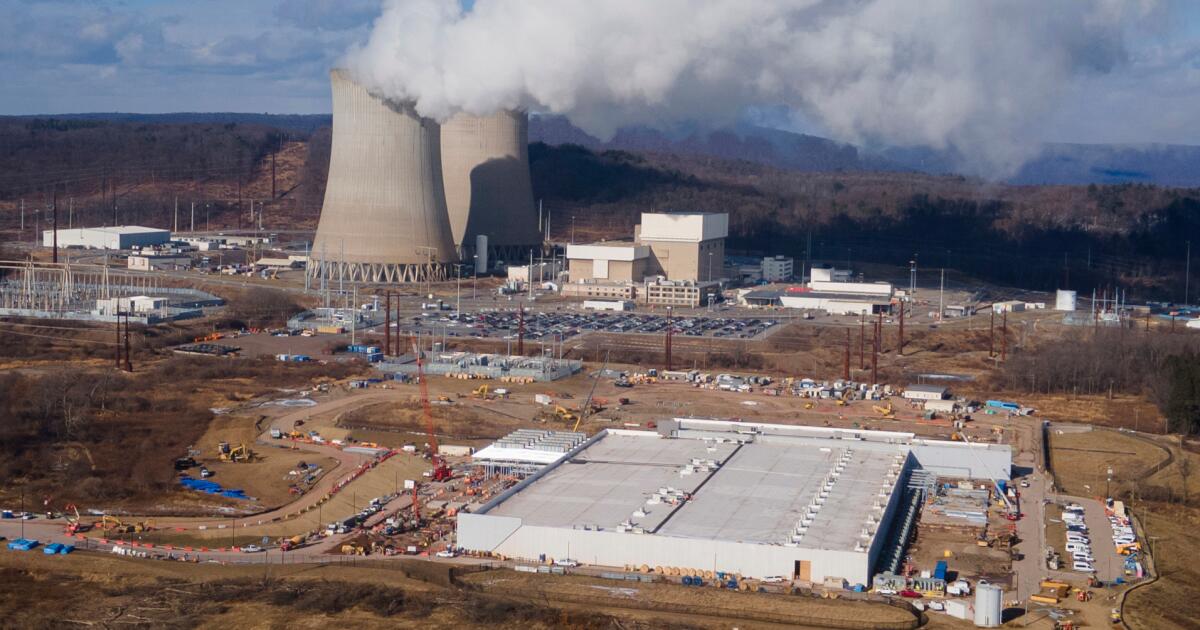
Five major technology giants—Alphabet, Amazon, Meta, Microsoft, and Oracle—have raised approximately $350 billion in borrowed funds over the last five years to finance the massive race to build data centers for artificial intelligence.

What Happened
This year, the combined spending of hyperscalers on infrastructure and Nvidia chips could reach $725 billion. Meanwhile, annual interest expenses on accumulated debt have already exceeded the $10 billion mark.
Context
A fundamental shift is occurring in the Big Tech economic model: companies are moving from high-margin software production to a CAPEX-heavy model of developing physical infrastructure, including data centers and chips.
Why It Matters for the Industry
The scale of borrowing and the rise in interest expenses create risks of financial instability for the sector. There is a critical mismatch between the pace of capital expenditures and the actual return on investment (ROI) from AI services, which could lead to a sector correction or market consolidation where only the most profitable players survive.
Why It Matters for Users
For end users, the growing debt burden of providers could mean higher costs for APIs and computing power rentals. Changes in cloud service development strategies are also possible, directly impacting the availability and cost of new AI tools.
What Is Not Yet Known / Limitations
The exact pace of AI product monetization remains unknown, which will determine whether they justify the current massive capital expenditures.
Sources
Author
Look at AI, Editorial Team