The artificial intelligence sector is rapidly absorbing venture investments in the US: while AI companies captured 65.4% of all funds in 2025, this share reached an impressive 88.8% by the first quarter of 2026. However, behind this growth lies fierce competition and a rising barrier to entry for new players.
What Happened
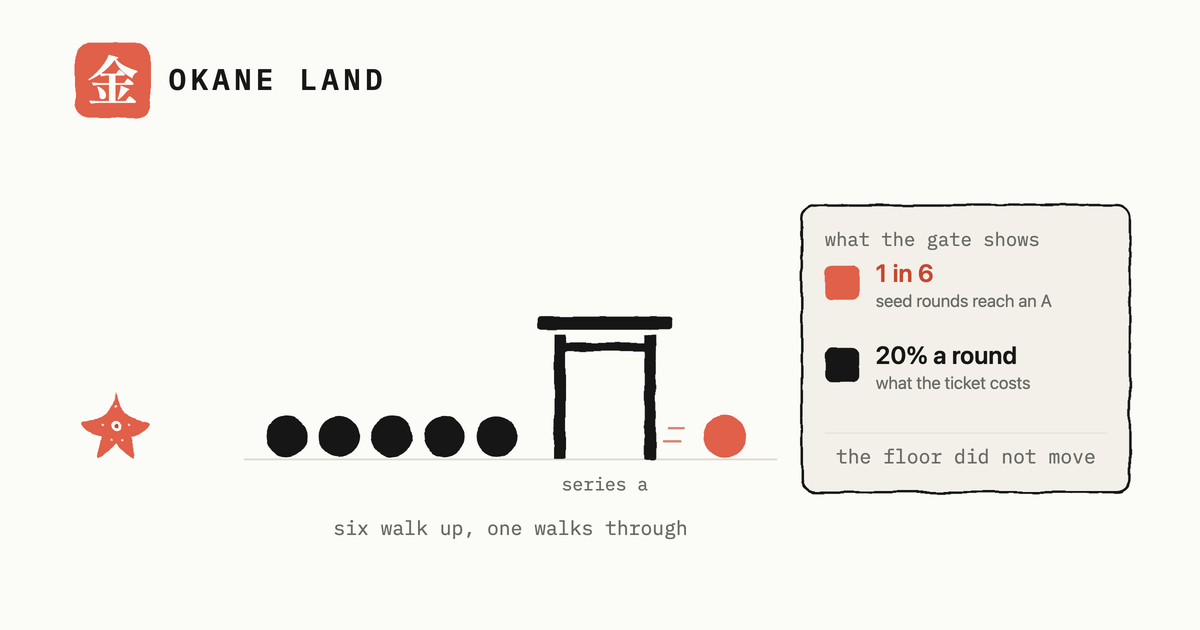
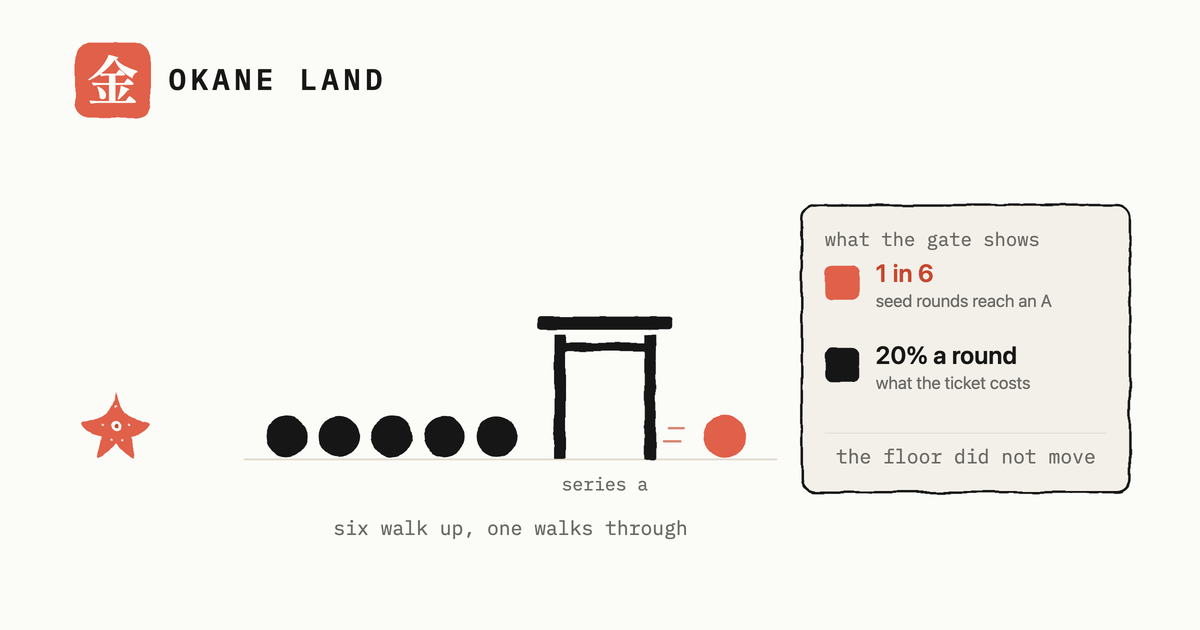
In the first quarter of 2026, the share of AI investments in the US reached 88.8% of total venture capital. Meanwhile, the probability of a startup successfully transitioning to a Series A round remains extremely low—only 13–18%. Additionally, the median Annual Recurring Revenue (ARR) threshold required to secure these investments has risen to the $3–3.5 million level.
Context
The availability of modern AI-based prototyping tools has led to the devaluation of technological uniqueness at early stages. Creating a product demo is no longer a significant competitive advantage (moat), as the technical barrier to entry has significantly lowered, generating a surplus of "thin wrappers" around existing models.
Why It Matters for the Industry
There is an extreme concentration of capital around AI giants and projects with large-scale rounds of $10 million or more (so-called "mega-seeds"). This makes the traditional venture scaling path for small companies extremely expensive and difficult, forcing the industry to shift focus from pure technological innovation toward deep integration into workflows and the search for sustainable monetization models.
Why It Matters for Users
Startup founders are advised to rethink their strategies and consider the bootstrapping path. In the current environment, effective distribution, user retention, and proven high revenue (a "Revenue-first" approach) are becoming critically important, as simply having AI functionality or a prototype is no longer sufficient to attract capital.
Sources
Author
Look at AI, Editorial Team