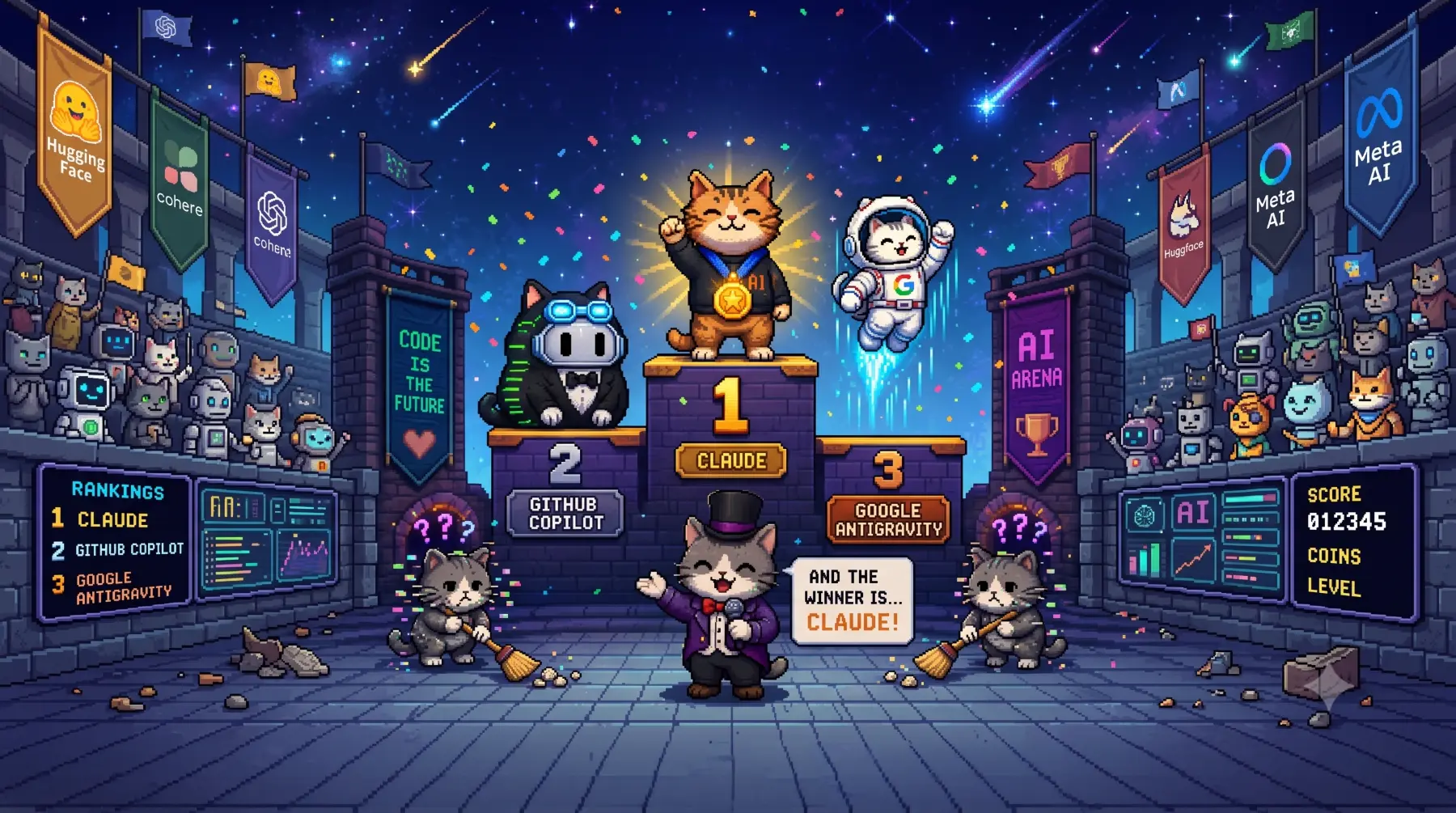
In mid-2026, the artificial intelligence industry made a sharp transition from a strategy of aggressive growth fueled by subsidies to strict monetization. This has led to mass reductions in user quotas and changes in payment models among key market players.

What Happened
Key services have begun implementing new restrictions: Perplexity has significantly reduced limits on its Deep Research feature, and GitHub Copilot has transitioned to an AI Credits payment system. Simultaneously, Google Antigravity users have encountered performance instability and privacy issues.
Context
The conclusion of the venture-subsidized stage for AI technologies is forcing developers to seek sustainable business models. The market is moving away from simple unlimited subscriptions toward token-dependent systems and pay-per-result models, requiring companies to engage in more meticulous inference cost planning.
Why It Matters for the Industry
For the AI industry, this signifies market fragmentation and the end of the "subsidized AI" era. Developers are forced to implement complex quota management systems, while startups building products on top of third-party APIs face rising operating expenses (OpEx) and the need to revise their GTM strategies.
Why It Matters for Users
For end users, the familiar "unlimited" subscription models for a fixed fee are becoming economically unviable. The most rational strategy is becoming the use of direct subscriptions to powerful specialized models, such as Claude (the Opus 4.8 model showed 88.6% on SWE-bench Verified), instead of paying for third-party wrapper services.
What Remains Unknown / Limitations
While the economic aspects are becoming clear, model researchers need to continue verifying the efficiency of new models to technically justify choices under conditions of strict limits.
Sources
Author
Look at AI, Editorial Team