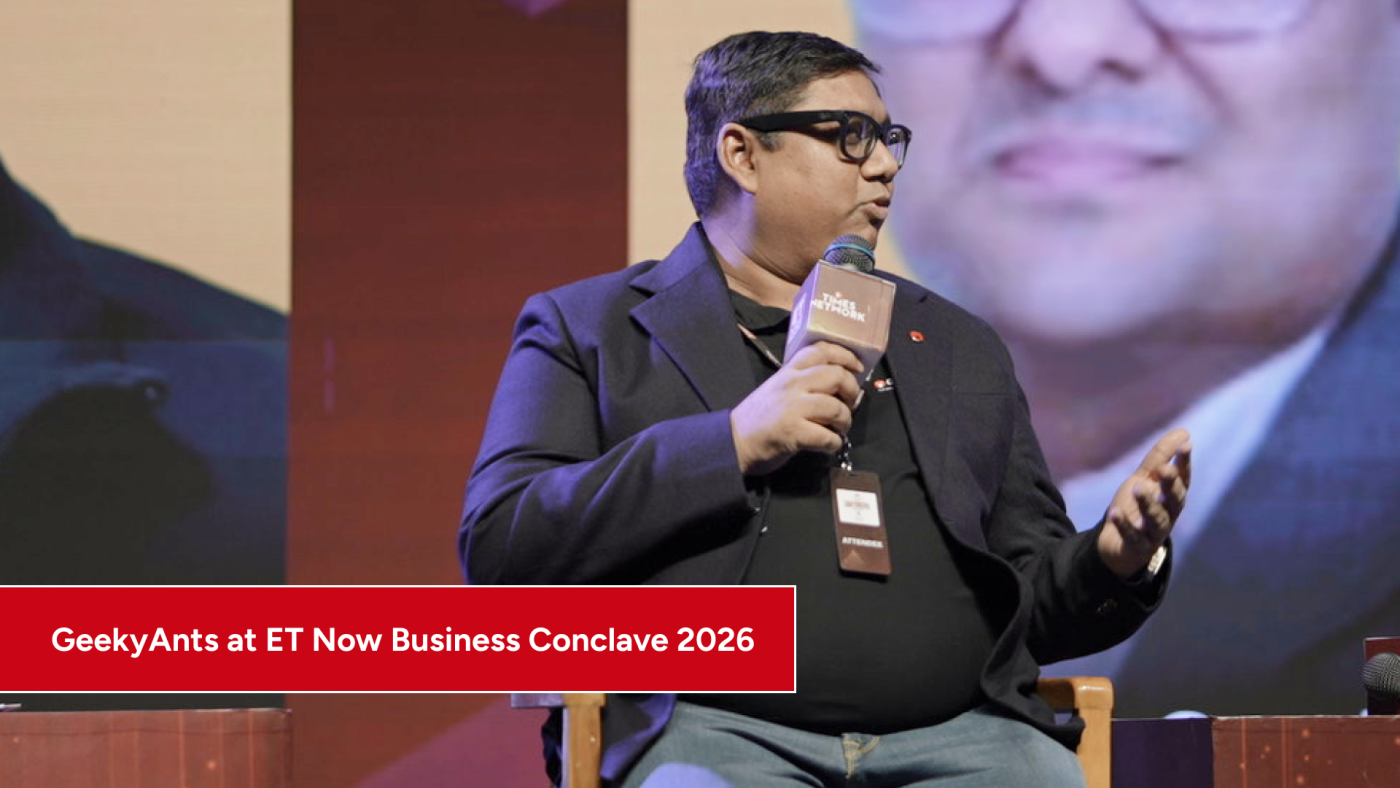
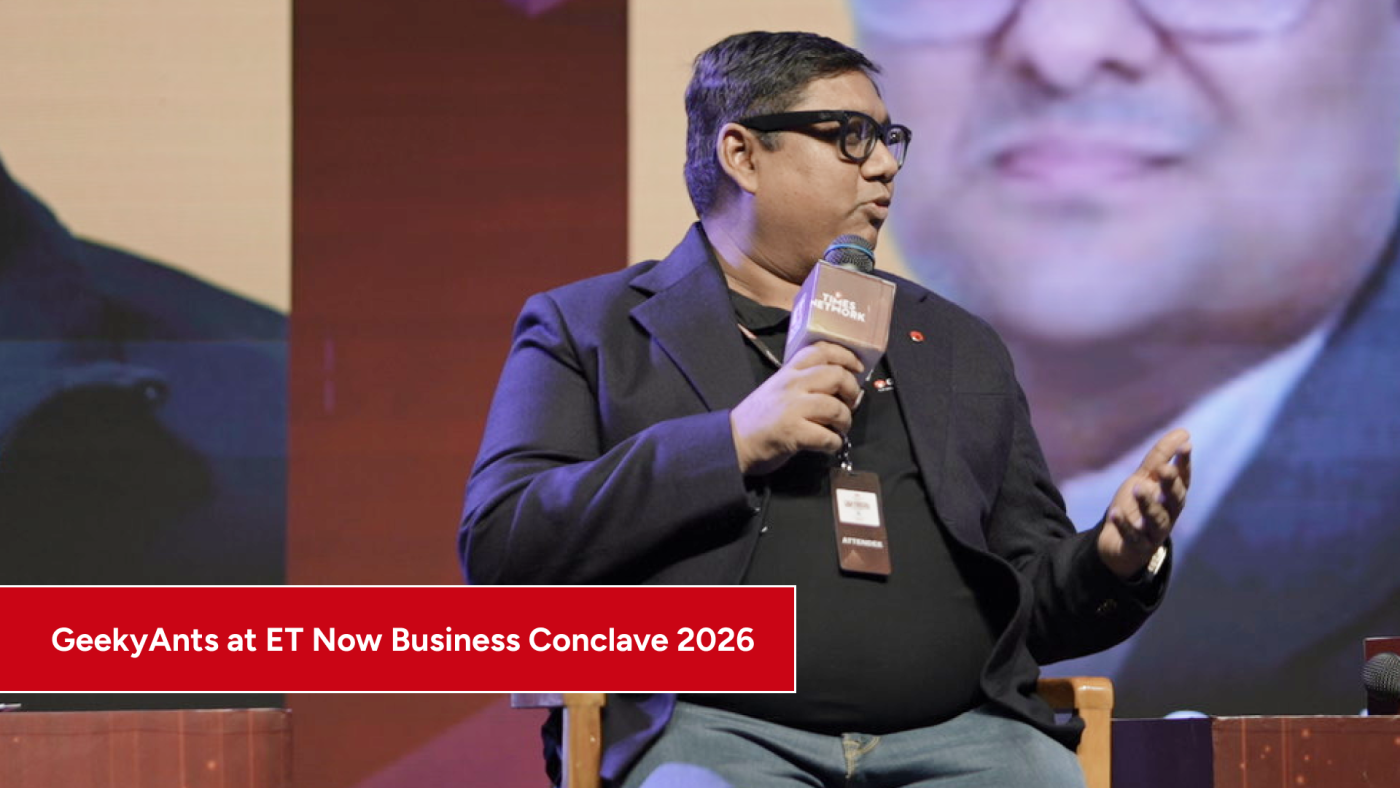
At the ET Now 2026 Business Conclave in Ahmedabad, GeekyAnts CEO Kumar Pratik presented the concept of transitioning from Industry 4.0 to Industry 5.0, where the key differentiator will be automated decision-making instead of simple data collection.
What Happened
Kumar Pratik, CEO of GeekyAnts, stated at the ET Now 2026 event that modern industry must move from Industry 4.0 models, which focus on process visibility, to Industry 5.0. The core problem is that when implementing AI, 60% of manufacturers—with less than 20% seeing real profit growth—suffer due to data fragmentation and delays in decision-making.
Context
While Industry 4.0 was focused on providing process transparency through the use of sensors and the creation of information dashboards, this new stage requires the creation of closed-loop control systems. The current barrier to efficiency is information silos and the inability to achieve a rapid "signal-to-reaction" cycle.
Why It Matters for the Industry
For the industry, the AI focus is shifting from visualization tools to autonomous management tools. This creates demand for data architectures capable of supporting low-latency inference, as well as solutions for data unification to prepare infrastructure for agentic workflows.
Why It Matters for Users
For professionals and users, this transition signifies a shift in priorities: from monitoring tools to autonomous management tools. The future of industrial AI lies in radically reducing the latency between a system receiving a signal and executing an automated action.
What Is Not Yet Known / Limitations
Different expert groups highlight different priorities: architects focus on latency and infrastructure issues, while product managers view this primarily as a market opportunity to create new types of autonomous solutions.
Sources
Author
Look at AI, Editorial Team