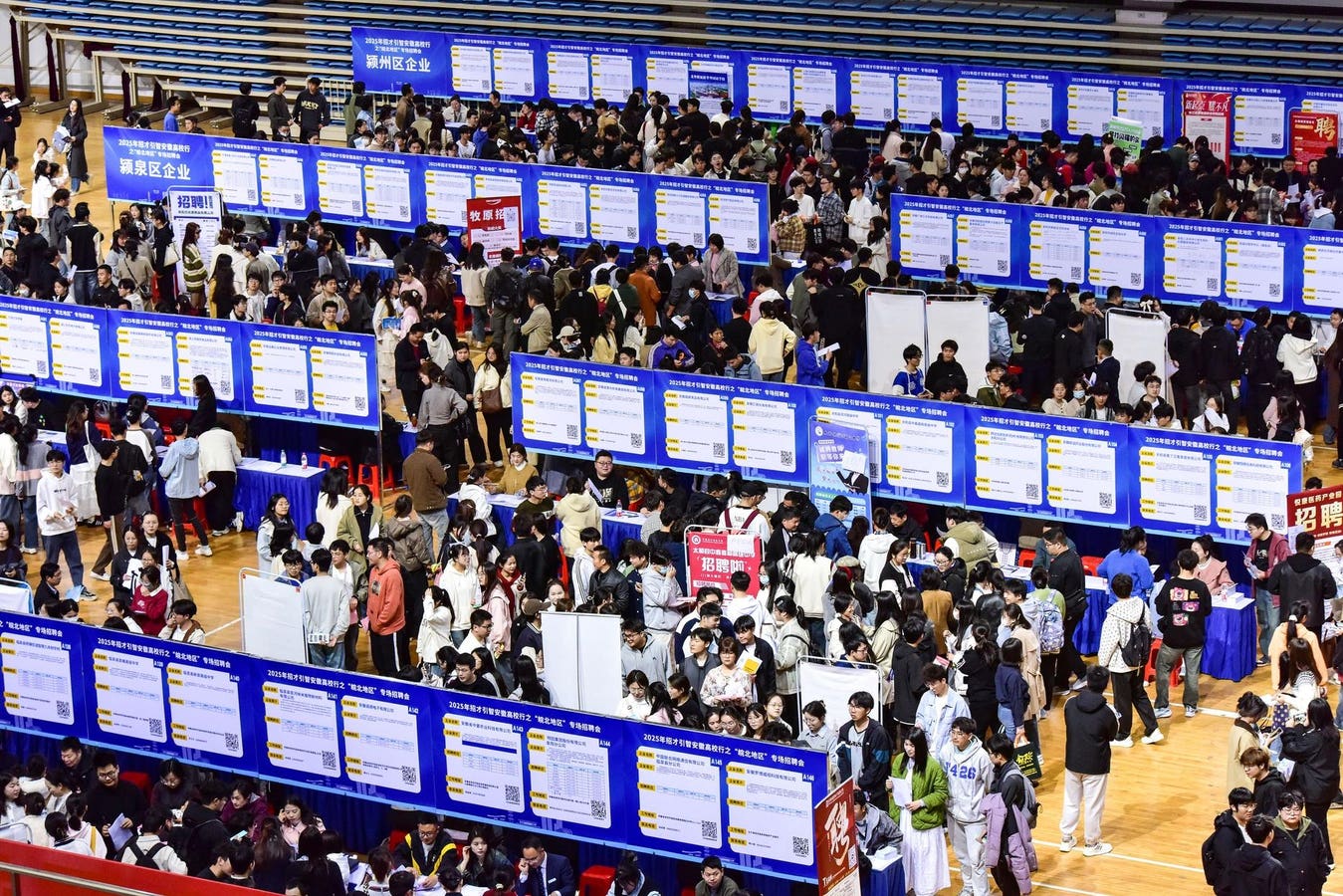
China is conducting a large-scale restructuring of its higher education system, closing or suspending 12,200 undergraduate programs. As part of a technological sovereignty strategy, the state is introducing more than 10,200 new curricula focused on artificial intelligence, robotics, semiconductor engineering, and data science.

What Happened
Between 2021 and 2025, 12,200 undergraduate programs in China were liquidated or frozen, predominantly in the fields of humanities, foreign languages, and management. In their place, over 10,200 specialized programs have been launched in high-tech sectors such as AI, robotics, and semiconductors.
Context
The reform is being carried out against the backdrop of the need to address youth unemployment, which stood at 16.9% among individuals aged 16–24 in March 2026. State educational planning is now directly correlated with Industry 4.0 goals, aiming to ensure a steady influx of qualified personnel for critical sectors amidst technological confrontation.
Why It Matters for the Industry
State education management is transforming into a tool for direct human capital planning to meet the needs of high-tech sectors. This creates a powerful pipeline of specialists in AI and chips, which could significantly accelerate the pace of innovation and alter global competition for talent over the next two years.
Why It Matters for Users
For students and job seekers, this signifies a radical change in the structure of the labor market and educational standards. Priority is shifting from classical humanities education toward engineering and AI skills, requiring the adaptation of educational trajectories and a focus on STEM disciplines.
What Is Not Yet Known / Limitations
There are differing assessments of the consequences: while business-oriented roles see this as a positive signal for creating new markets, technical and regulatory roles remain neutral, emphasizing the complexity of integrating new specialists into existing processes.
Sources
Author
Look at AI, Editorial Staff