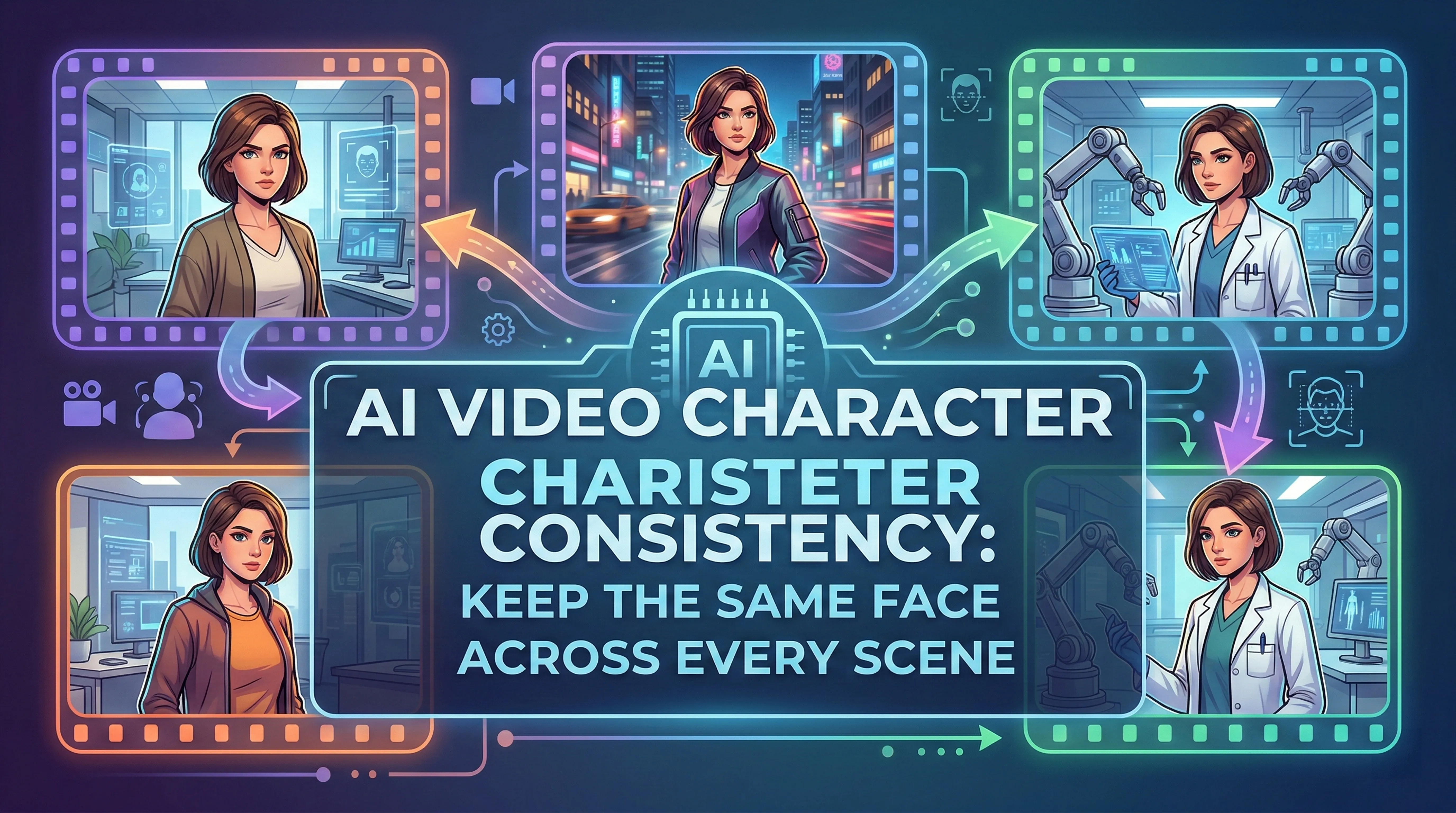
Generative AI is radically changing film production by lowering the barrier to entry for creating large-scale scenes, complex locations, and characters. Modern tools allow for the simulation of hundreds of extras, control over camera movement, and the creation of consistent digital doubles, turning expensive physical labor into scalable computational tasks.

What Happened
The industry is shifting from traditional CGI pipelines and physical production logistics to generative methods using models such as Kling 3.0, Runway Gen-4.5, and Sora 2. New technologies allow for the management of visual aspects via prompts and the use of specialized methods, such as Identity-Lock and Character Profiles, to ensure character appearance stability within a frame.
Context
Previously, creating epic battles or massive worlds required enormous budgets for hundreds of extras, costumes, sets, and complex motion control systems. Modern generative models are beginning to mimic complex cinematography movements, allowing expensive equipment and logistics to be replaced by digital solutions.
Why It Matters for the Industry
There is a decentralization of high-budget content production occurring. Small studios are gaining access to visual effects on par with major studios, shifting the focus from technical logistics to the quality of the directorial script and the mastery of AI tools and compositing.
Why It Matters for Users
The barrier to creating visually impressive films is dropping significantly. Creating large-scale scenes no longer requires massive crews—a powerful laptop and skills in working with generative models are sufficient, opening new possibilities for indie makers and prototyping visual concepts.
What Remains Unknown / Limitations
The use of Identity-Lock methods and the creation of digital doubles carries legal risks related to the violation of the right of publicity.
Sources
- AI Video Character Consistency Guide (2026)
- Generative AI for Film Creation: A Survey of Recent Advances
Author
Look at AI, Editorial Team