
Skill Creator V2 has been introduced—a new tool designed to transform the creation of AI agent skills from a prompt-writing process into a full-fledged engineering process. The system utilizes a multi-axis taxonomy and automated checks to create reliable, verifiable, and safe competencies for autonomous systems.
What Happened
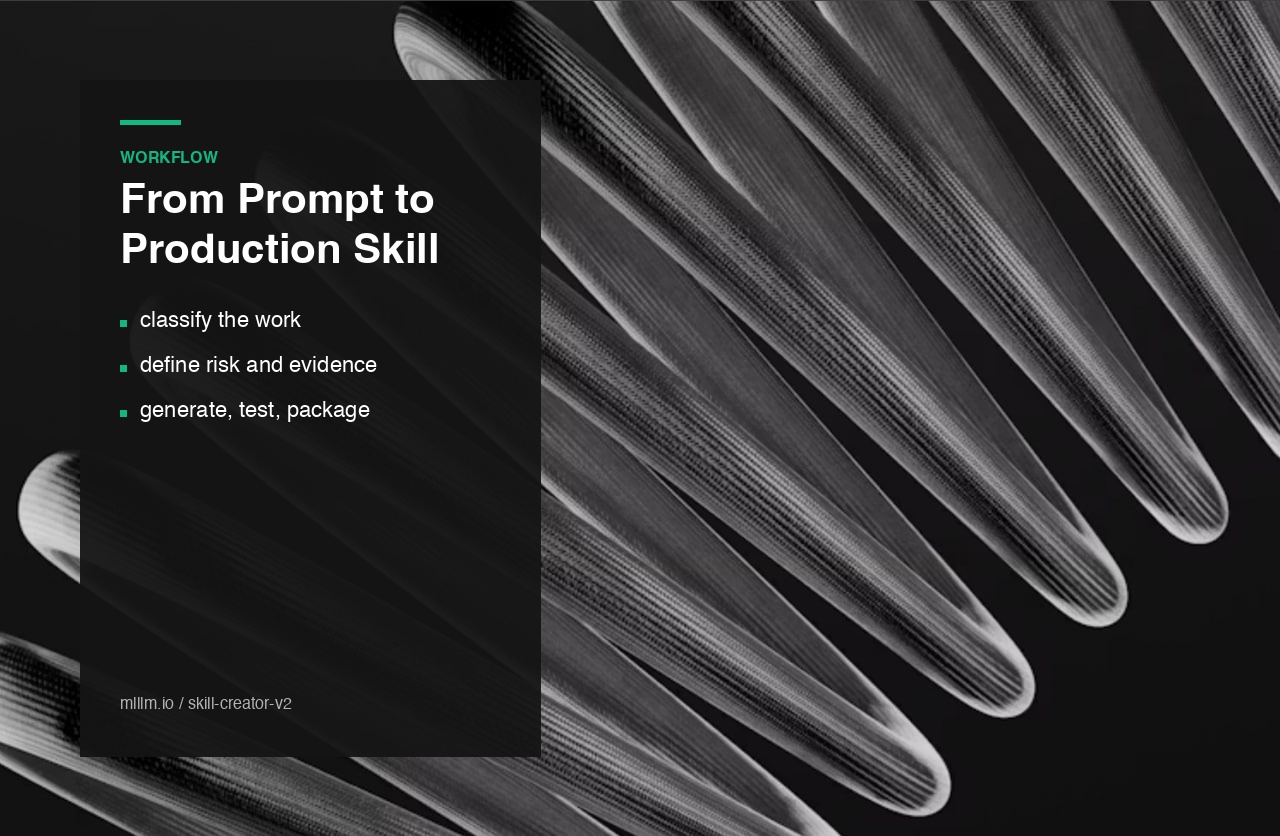
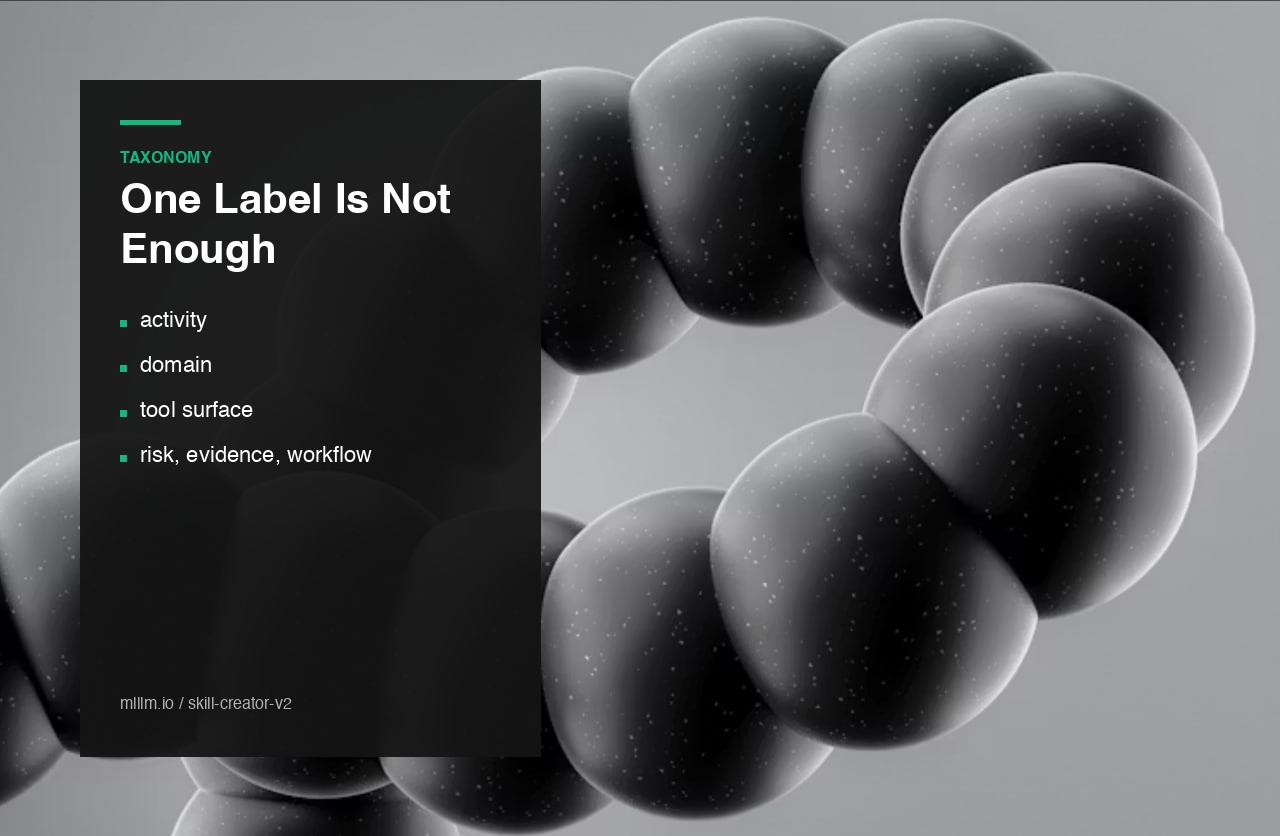
Skill Creator V2 has been developed to replace the empirical "prompt engineering" approach with structured Skill Engineering. The toolkit uses a multi-axis taxonomy (activity type, domain, tool surface, risk profile, and evidence profile) and includes skill boundary control mechanisms, execution proof contracts, and automated evaluations (evals) to prevent model drift.
Context
In the current paradigm, creating agent capabilities often boils down to finding "magic prompts," which fails to provide predictability and verifiability in complex environments. Skill Creator V2 offers a meta-level of governance for designing, testing, and packaging skills, aiming to make them modular components.
Why It Matters for the Industry
For the industry, this is a critical step toward deploying AI agents in production and enterprise segments. The transition to disciplined skill engineering provides the necessary safety and predictability of actions. In the long term, this could lead to the standardization of Skill Engineering processes and the emergence of markets for verified skills across various domains, such as DevOps or legal analysis.
Why It Matters for Users
Users will gain access to more reliable AI assistants capable of executing complex workflows with clear boundaries of responsibility. Instead of simple chatbots, tools will become available that can configure infrastructure or perform deep analysis, providing proof of successful task execution.
What Is Not Yet Known / Limitations
The presented data focuses on the theoretical value of the framework, without addressing the practical complexities of integrating it into existing CI/CD pipelines.
Sources
Author
Look at AI, Editorial Team