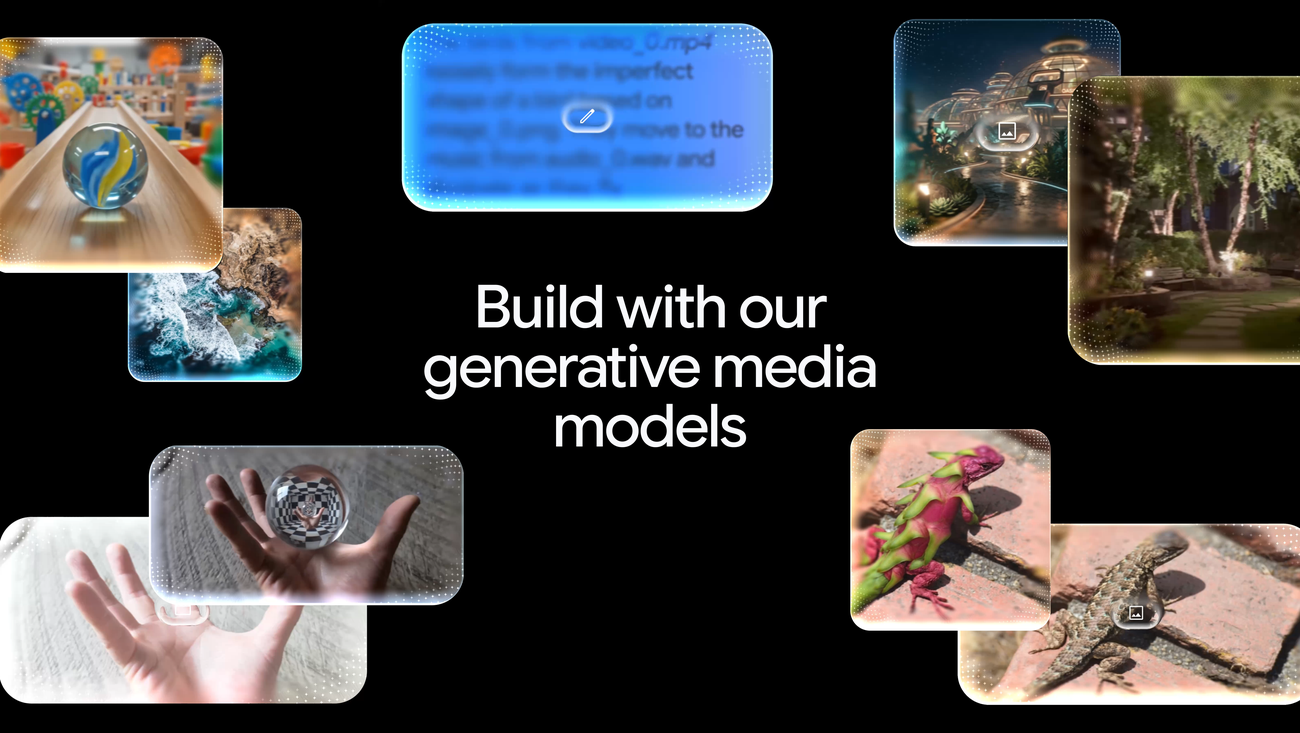
Google has announced new models, Nano Banana 2 Lite and Gemini Omni Flash, aimed at radically accelerating and reducing the cost of image and video creation processes through unified APIs.

What Happened
Google introduced the Nano Banana 2 Lite model (Gemini 3.1 Flash Lite Image), which generates images in approximately 4 seconds at a cost of $0.034 per 1,000 images. Additionally, Gemini Omni Flash was released for creating and editing video via text or multimodal commands at a price of $0.10 per second of video. Developers can combine these tools through the Interactions API, building workflows that transition from static image generation to subsequent animation into video, with the capability for up to three consecutive edits.
Context
Google is betting on optimizing cost and throughput in multimodal pipelines. The solution is aimed at creating a full-scale media pipeline, where the transition from a static image to dynamic video becomes a standardized and high-performance process.
Why It Matters for the Industry
The emergence of ultra-fast and inexpensive models lowers the barrier to entry for launching mass generative pipelines. The use of the Interactions API allows for the standardization of industry workflows, transforming content creation from a costly process into a scalable industrial operation. This paves the way for the emergence of numerous specialized micro-SaaS tools for video production automation.
Why It Matters for Users
For end users and developers, this means the ability to instantly prototype visual content and create interactive applications where generation occurs almost in real-time. The reduction in inference costs allows for the integration of advanced AI features into mass-market products without significant operational expenses.
What Is Not Yet Known / Limitations
The increasing complexity of creating derivative works through iterative editing may create legal challenges in determining copyrights and protecting intellectual property.
Sources
Author
Look at AI, Editorial Team