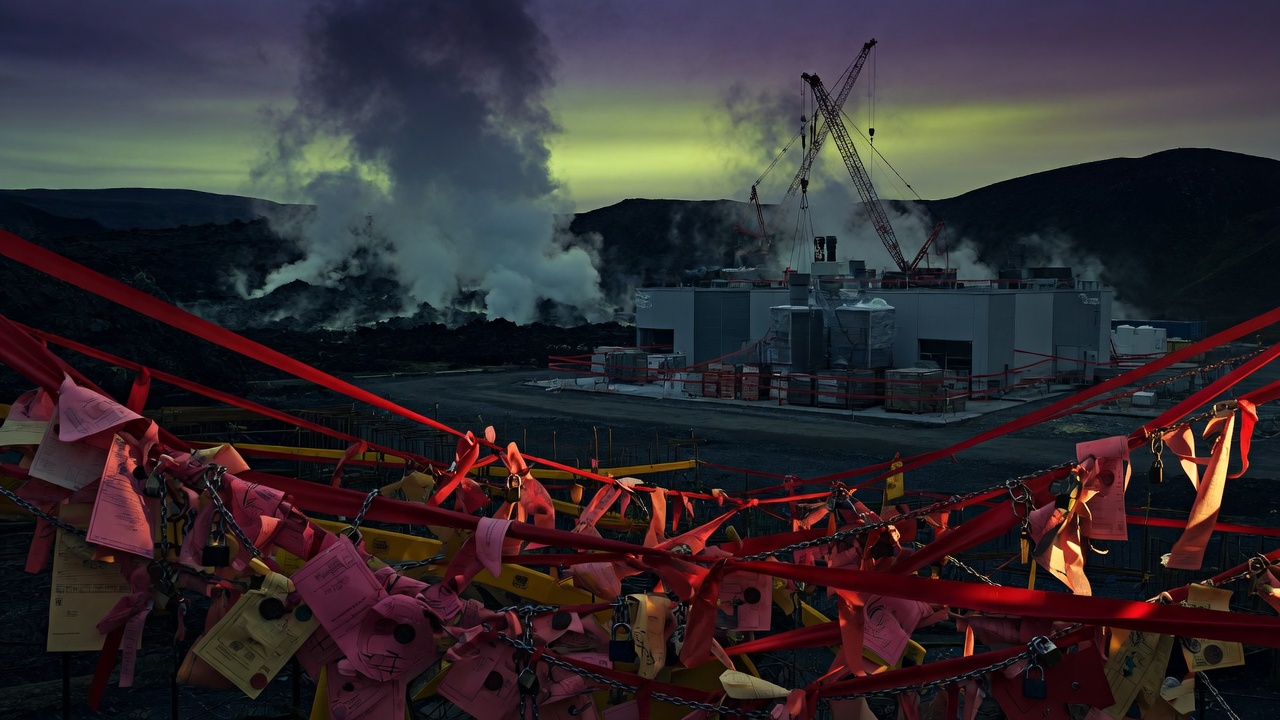
The European Union is striving for digital sovereignty through the Tech Sovereignty Package, planning to triple data center capacity in the next 5–7 years. However, these ambitious plans are facing unexpected barriers in regions with ideal natural conditions.
What happened
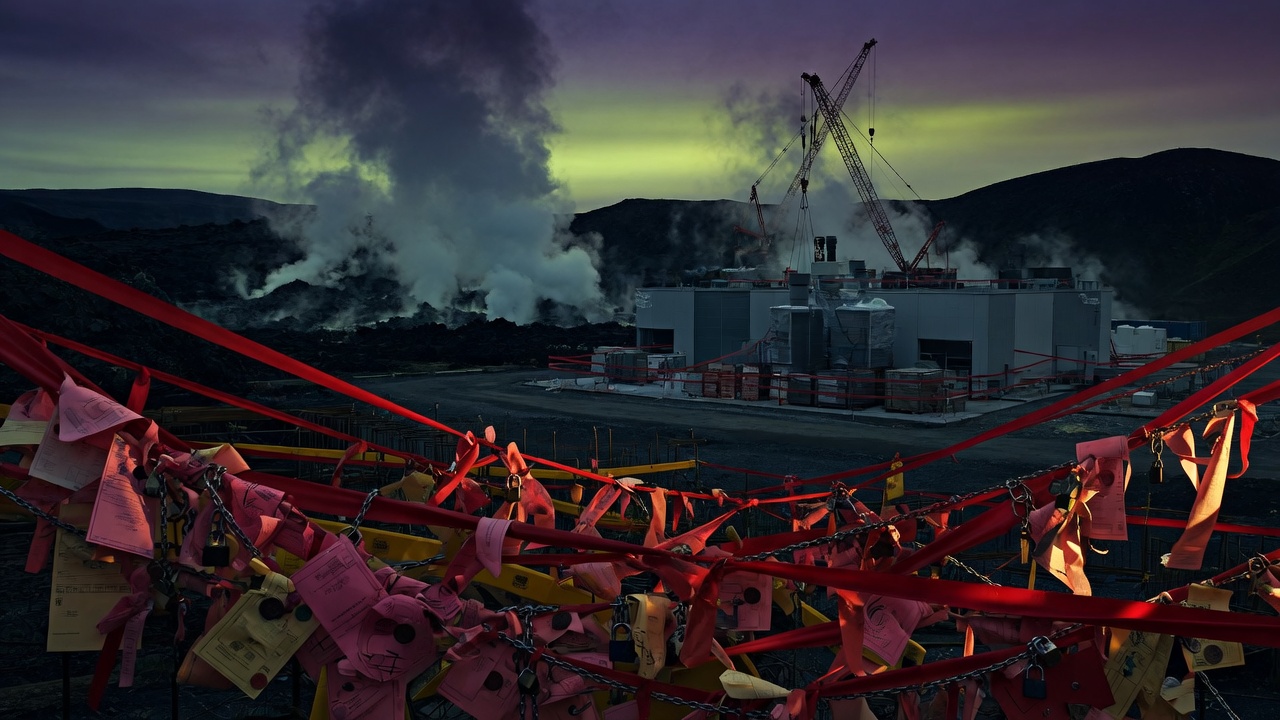
Despite Iceland having 100% renewable energy and opportunities for natural cooling, the country remains a small player with a current capacity of only 80–150 MW. The main obstacles to large-scale construction are regulatory delays, difficulties in obtaining permits, and limited connectivity via submarine cables.
Context
As part of the implementation of the Tech Sovereignty Package strategy, the EU is attempting to create independent infrastructure for AI. At the same time, there is a gap between political declarations and the physical ability to quickly deploy computing power, forcing a search for more flexible jurisdictions, such as France, where SoftBank is already investing approximately €75 billion.
Why it matters for the industry
For the industry, this means the risk that European 'sovereign AI' will remain merely a concept without a real physical base. Bureaucratic barriers slow down the deployment of local capacity for model training and inference, forcing companies to choose between expensive energy consumption in other regions and the risk of dependency on external cloud providers outside the EU.
Why it matters for users
The availability and cost of future AI services for end users in Europe will directly depend on whether regulators succeed in accelerating data center construction in energy-efficient regions. Otherwise, users may face higher computing costs and technological lag.
Sources
Author
Look at AI, Editorial Team