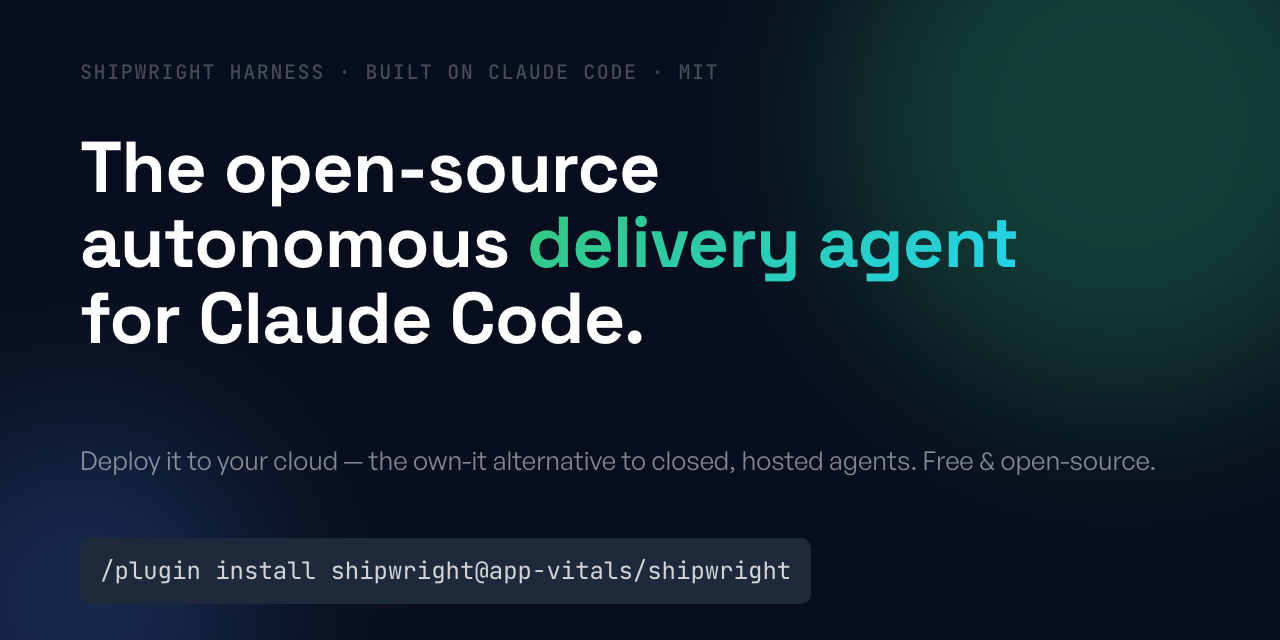
Shipwright Harness has been introduced—a new MIT-licensed open-source tool designed to transform Claude Code into a fully autonomous development agent. The system allows for the automation of the complete software creation lifecycle directly within the user's local environment.
What Happened
Developers have released Shipwright Harness, which expands the capabilities of Claude Code by adding stages for writing PRDs, task planning, code generation, running tests, and automatically opening Pull Requests. The tool operates in a local environment, ensuring direct control over code and data.
Context
Shipwright Harness acts as an open-source wrapper for Claude Code, moving from a simple AI assistant model to a full autonomous participant in the SDLC (Software Development Life Cycle). This enables the creation of local and secure development pipelines without the need to rely exclusively on proprietary cloud platforms.
Why It Matters for the Industry
The emergence of high-quality open-source solutions for autonomous development reduces company dependency on closed proprietary platforms (vendor lock-in). This allows enterprises to deploy AI developers within their own secure perimeters, fostering an ecosystem of custom plugins and integrations around powerful LLM tools.
Why It Matters for Users
Developers gain the ability to delegate routine tasks, such as writing tests and preparing PRs, to an autonomous agent while maintaining full control over infrastructure security. This simplifies local prototyping and accelerates development iterations by automating task planning and implementation.
What Is Not Yet Known / Limitations
There are concerns regarding the complexity of verifying code authorship and the necessity of strict compliance with Anthropic's Terms of Service when using such tools.
Sources
Author
Look at AI, Editorial Team