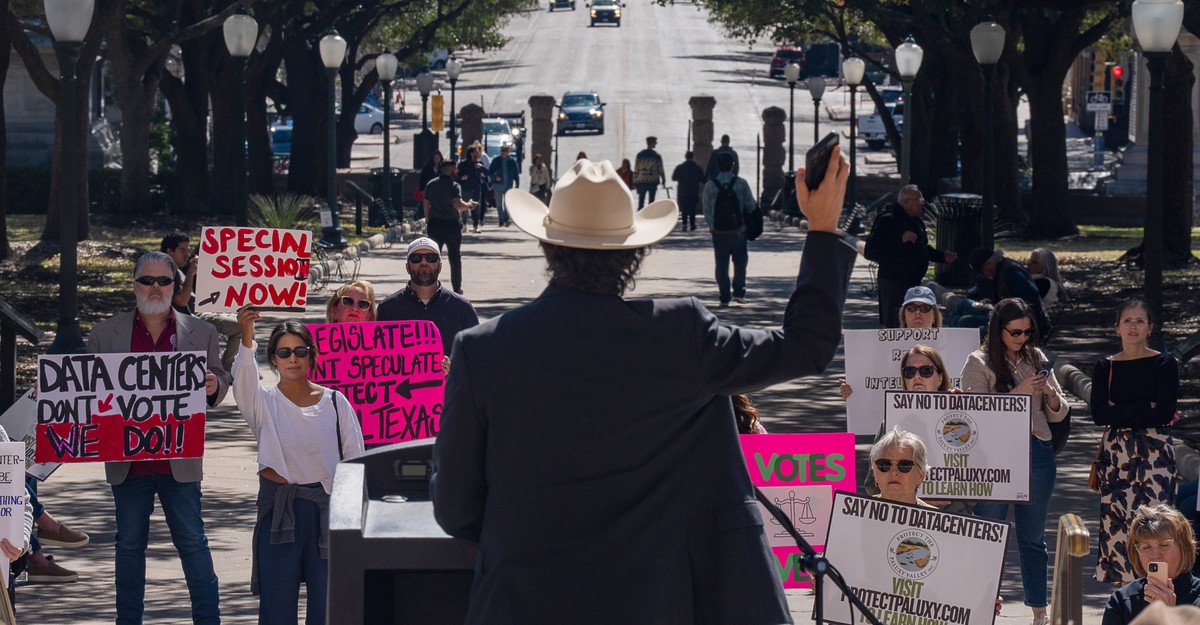
The artificial intelligence industry is beginning to exert massive political influence on the 2026 US midterm elections, using strategies borrowed from the crypto industry.
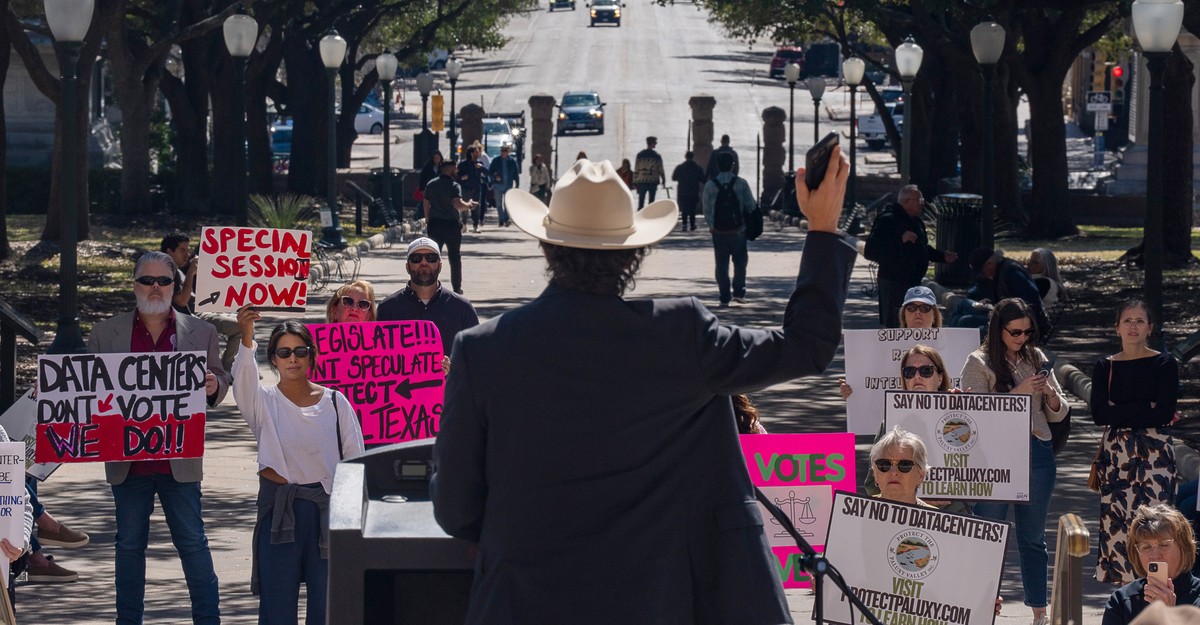
What Happened
Major market players, including OpenAI and Anthropic, plan to invest tens of millions of dollars into specialized political action committees (Super PACs). The primary goal of these investments is to promote company interests and support legislative initiatives that will create a favorable regulatory climate for AI developers.
Context
To achieve their goals, tech giants are shifting from purely technological competition to active political lobbying. By using the Super PAC model, they aim to neutralize public skepticism regarding AI risks and shape federal legislation according to their own standards.
Why It Matters for the Industry
For the industry, this signifies a move toward creating a "regulatory moat." Establishing strict safety and transparency standards that align with the interests of market leaders could create high barriers to entry for new players and Open Source projects.
Why It Matters for Users
AI regulation issues are becoming a central theme in political debates. This directly affects the future of safety standards, technological openness, and the level of control over how algorithms will be used in political processes.
What Is Not Yet Known / Limitations
There are varying assessments of the consequences: some experts see this as an inevitable transformation of politics, while others point to the risks of artificially restricting competition and threatening the openness of standards.
Sources
Author
Look at AI, Editorial Team