The development of artificial intelligence is hitting an unexpected physical barrier: a shortage of electricity and water. In a new essay, Cyrus Radfar draws parallels between the current AI boom and historical 'gold rushes,' pointing out that the real limitation to progress is not algorithms, but infrastructure.
What Happened
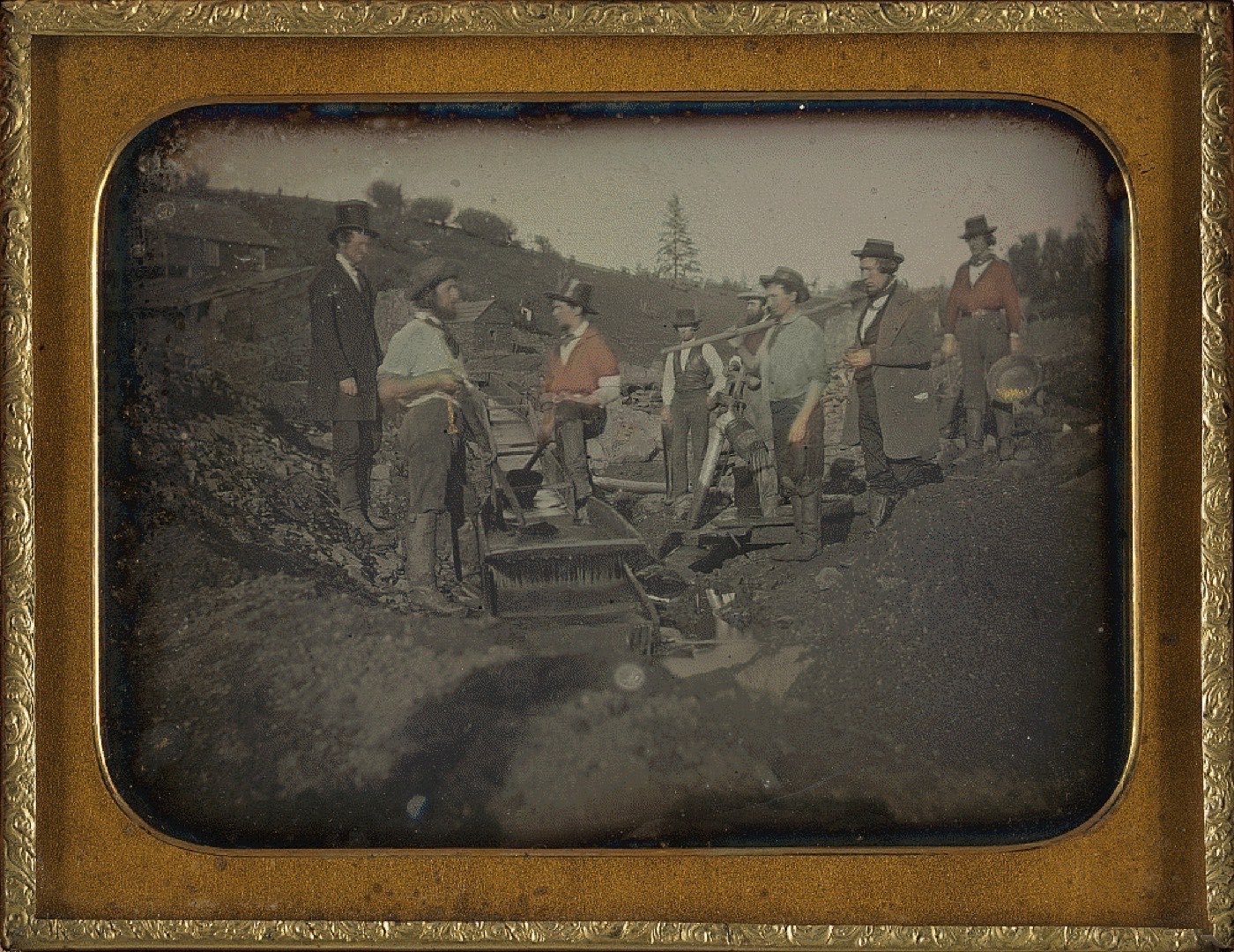
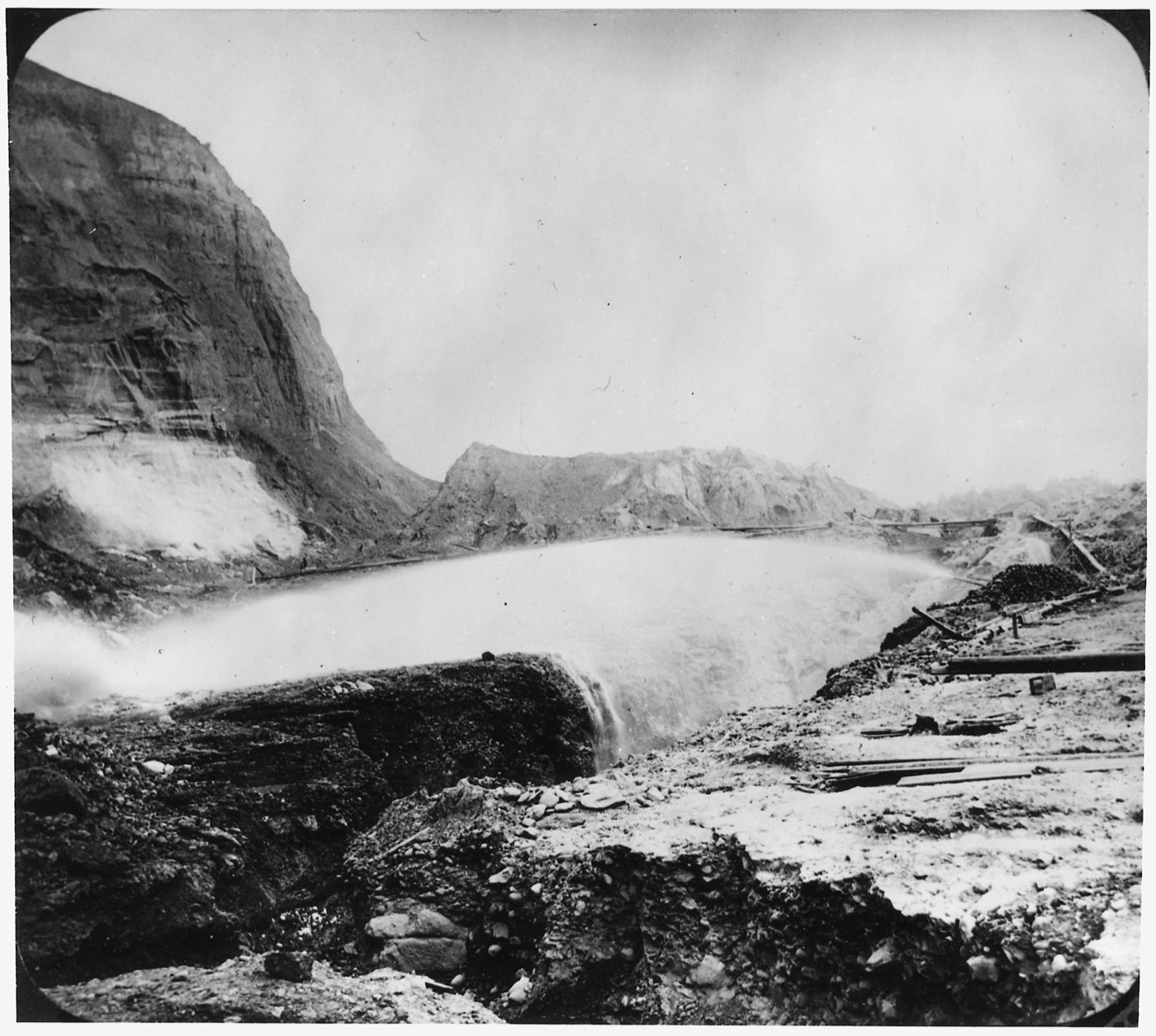
Cyrus Radfar published an analysis comparing the current AI development cycle to 19th-century gold mining and the fiber optic boom of the 1990s. The author argues that in today's economy, AI tokens play the role of gold, while data centers act as the "shovels" used to extract it. At the same time, he highlights critical costs: electricity consumption reached 4% in the US in 2023, and a single modern data center can consume up to 5 million gallons of water per day.
Context
Historical cycles show that technological breakthroughs are always followed by a phase of struggle for resources and infrastructure. In the case of AI, there is a fundamental gap: the exponential growth rate of algorithmic complexity significantly outpaces the linear and slow pace of upgrading power grids, building substations, and ensuring water supplies for cooling systems.
Why It Matters for the Industry
For the industry, this means a shift from focusing on "pure algorithms" to the necessity of optimizing resource usage (Energy-efficient AI). The industry may face a slowdown in the implementation of Scaling Laws due to a lack of Compute caused by infrastructural constraints. This creates new market niches in resource management and increases competition for locations with cheap energy and access to water.
Why It Matters for Users
For end users and developers, this means that the success of the AI revolution depends on physical reality. Resource shortages could lead to rising service operating costs, limited availability of computing power in certain regions, and the need to choose more energy-efficient models during inference.
What Is Not Yet Known / Limitations
Expert opinions regarding the consequences vary: some view the resource shortage as a hard barrier to scaling, while others see it as an opportunity for the formation of new technological markets.
Sources
Author
Look at AI, Editorial Team