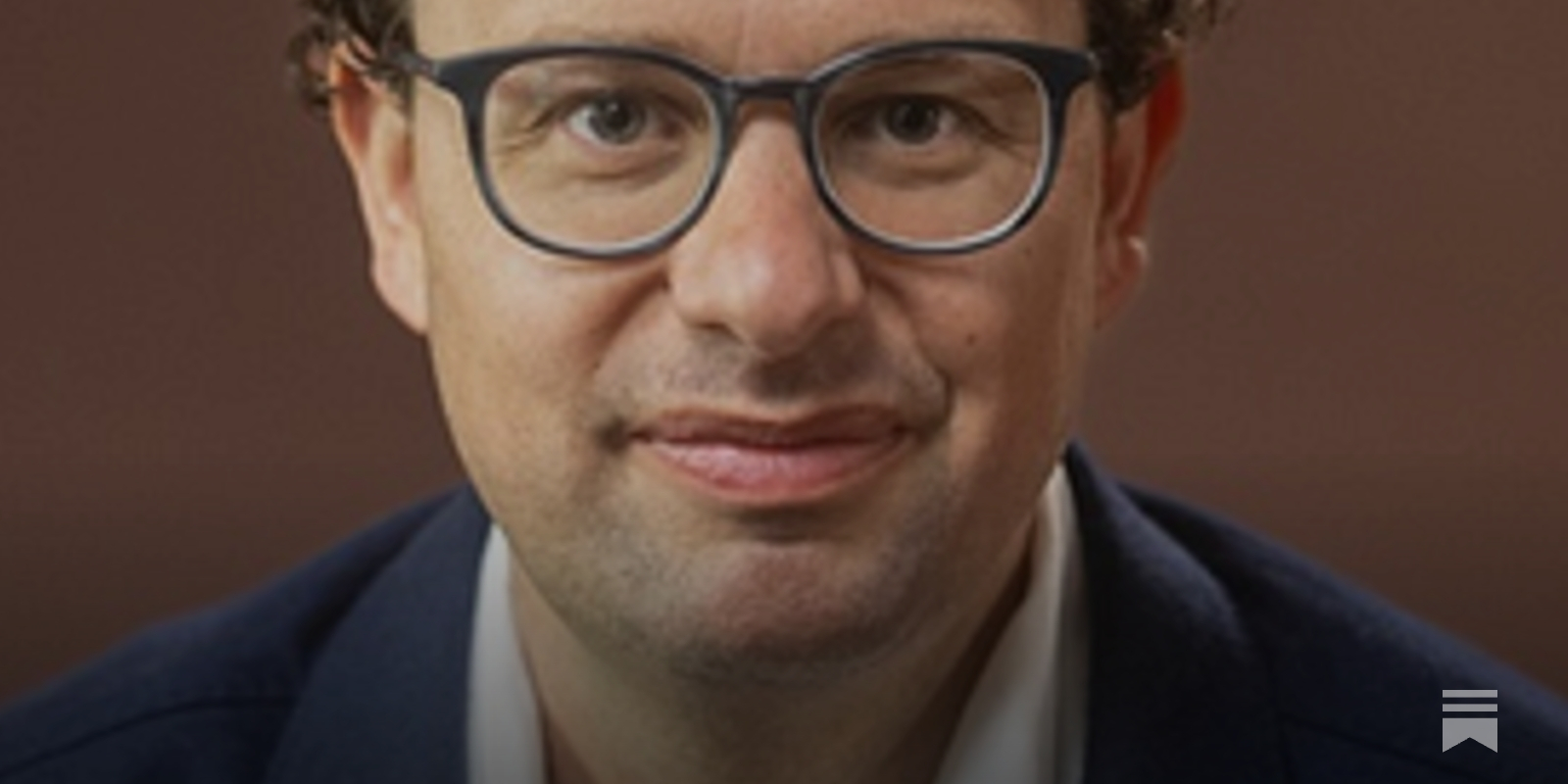
Anthropic CEO Dario Amodei has advocated for tightening export controls on AI technologies to China, calling it a critical issue for US national security.
What Happened
Dario Amodei argues for the necessity of strict controls not only to slow down a competitor but also to create a "safety buffer" that would give the US additional time to refine the safety mechanisms of its models. Specifically, he called for a ban on the supply of Nvidia H20 chips, emphasizing their key role in providing inference for new reasoning models.
Context
This position highlights the growing geopolitical tension in the high-tech sector, where access to specialized hardware and advanced algorithms is becoming a tool for strategic deterrence.
Why It Matters for the Industry
For the industry, this signifies an intensifying trend toward dividing the global AI market into "trusted" and "untrusted" zones. Companies may face stricter chip export regulations and geographic restrictions on API usage, leading to the fragmentation of technological ecosystems.
Why It Matters for Users
For users and developers, this is a signal that the battle for AI dominance is entering a phase of heavy state regulation. This could directly impact hardware availability, the choice of cloud providers, and the stability of global AI products across different regions.
What Is Not Yet Known / Limitations
The extent to which these measures will impact operational and infrastructural risks for ML engineers compared to GTM (Go-To-Market) strategies for businesses requires further analysis.
Sources
Author
Look at AI, Editorial Team