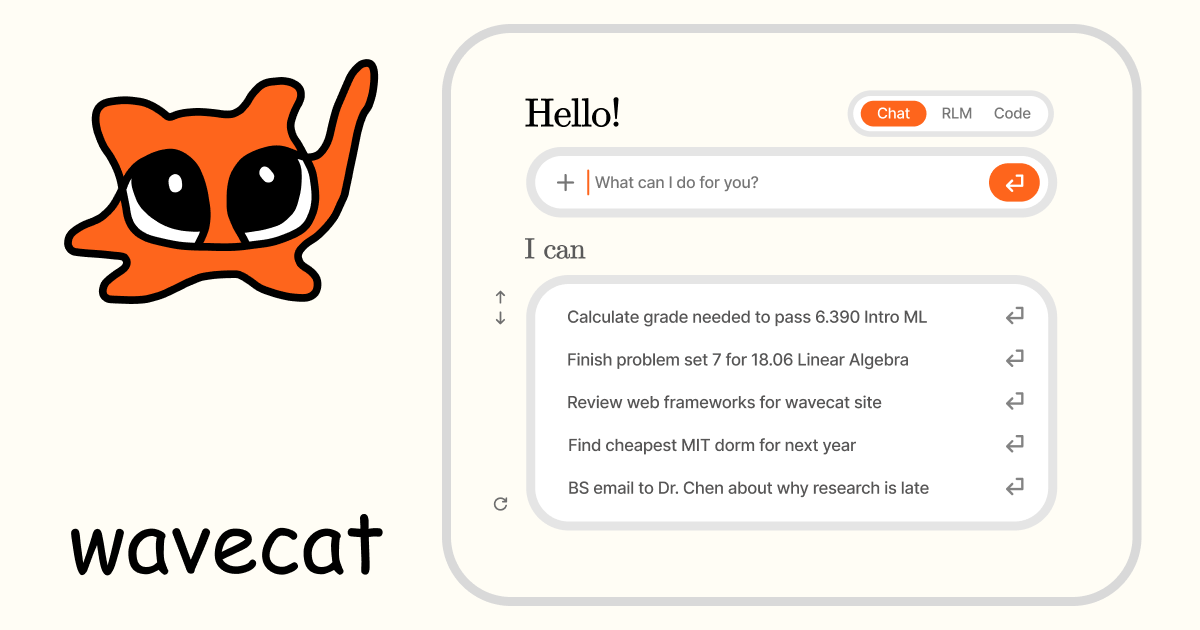
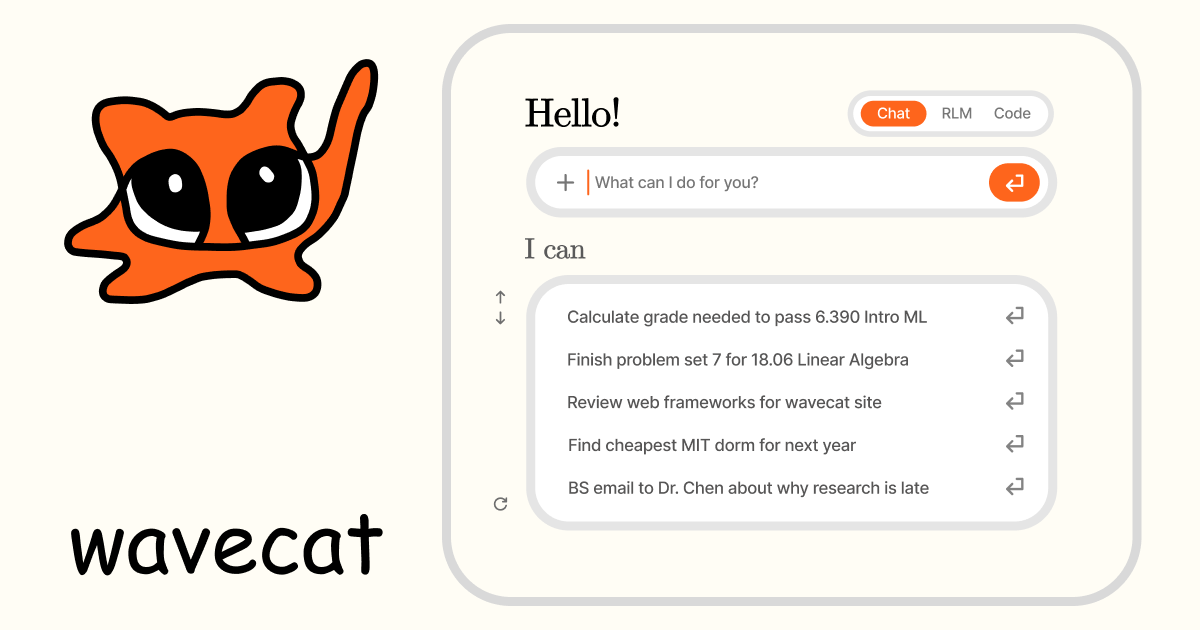
wavecat has been introduced — a fully local personal AI agent capable of analyzing what is happening on the user's screen in real time. The system operates without sending data to the cloud, ensuring maximum privacy by running all models directly on the device.
What Happened
Developers have introduced wavecat, a solution for "computer use" tasks that utilizes local Vision Language Models (VLM) to understand the context of user actions through screen analysis. For efficient system operation, the use of Apple Silicon or powerful GPUs is recommended.
Context
Previously, AI-driven computer control functions (such as Anthropic Computer Use) required powerful cloud infrastructures, which created risks of sensitive information leaks. wavecat offers an alternative path by implementing the concept of decentralized and private agents.
Why It Matters for the Industry
The project demonstrates the viability of local VLMs for performing complex interface interaction tasks. This sets a new direction for the development of autonomous systems, reducing the industry's dependence on cloud providers and stimulating the optimization of models for consumer hardware.
Why It Matters for Users
Users gain a personal assistant capable of interacting with sensitive data — such as passwords, banking applications, and personal correspondence — without the risk of transmitting this information to third-party services.
What Is Not Yet Known / Limitations
The current implementation is viewed by experts as a PoC (Proof of Concept), requiring verification of stability and latency before industrial implementation. Additionally, enterprise management mechanisms are currently lacking.
Sources
Author
Look at AI, Editorial Staff