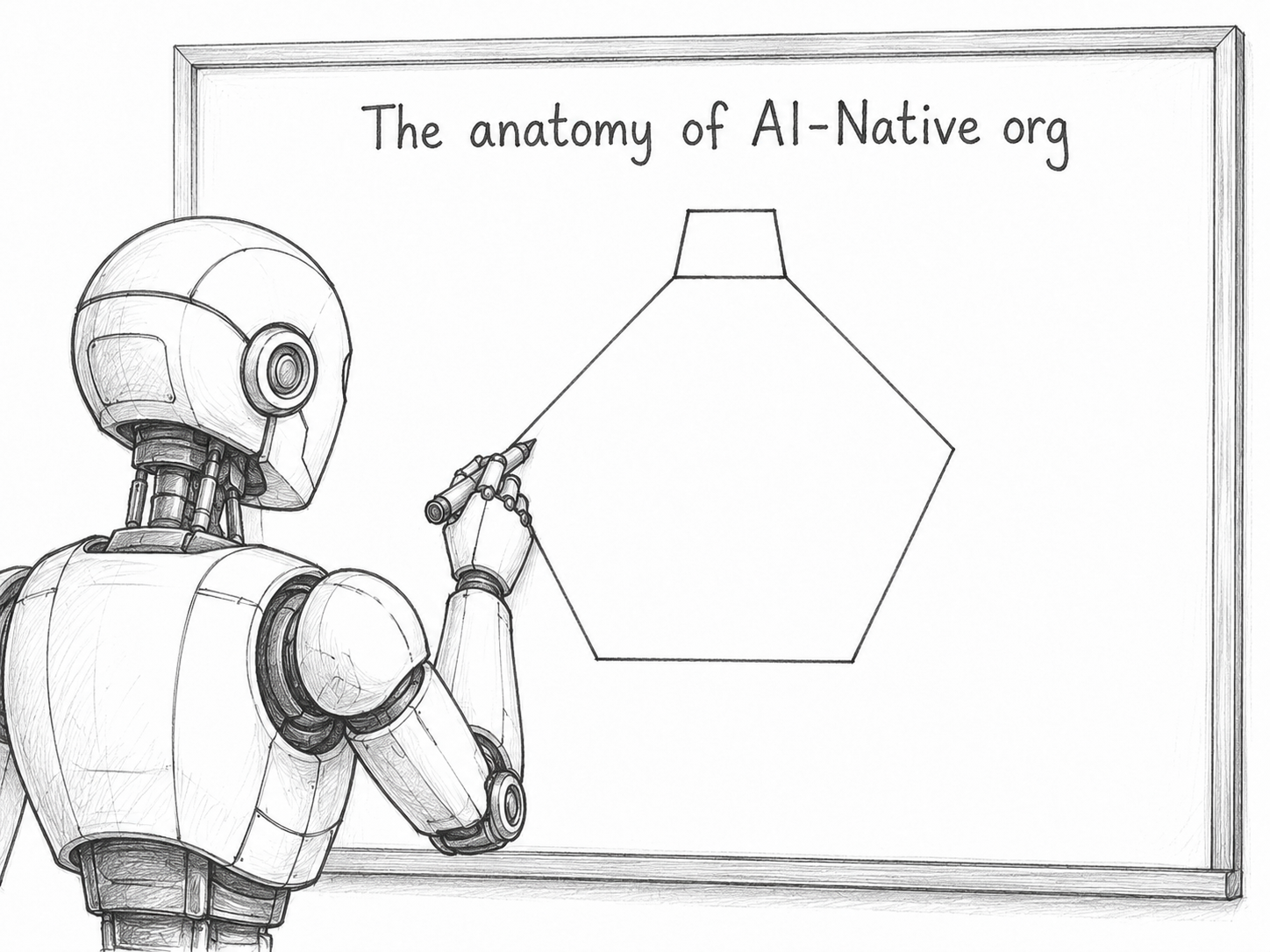
In a new article, Ajey Gore describes the fundamental transformation of business under the influence of artificial intelligence. The core concept is that AI is taking over the role of the "translation layer," automating the processes of converting business goals into technical tasks, such as specifications, JIRA tickets, and code.
What Happened
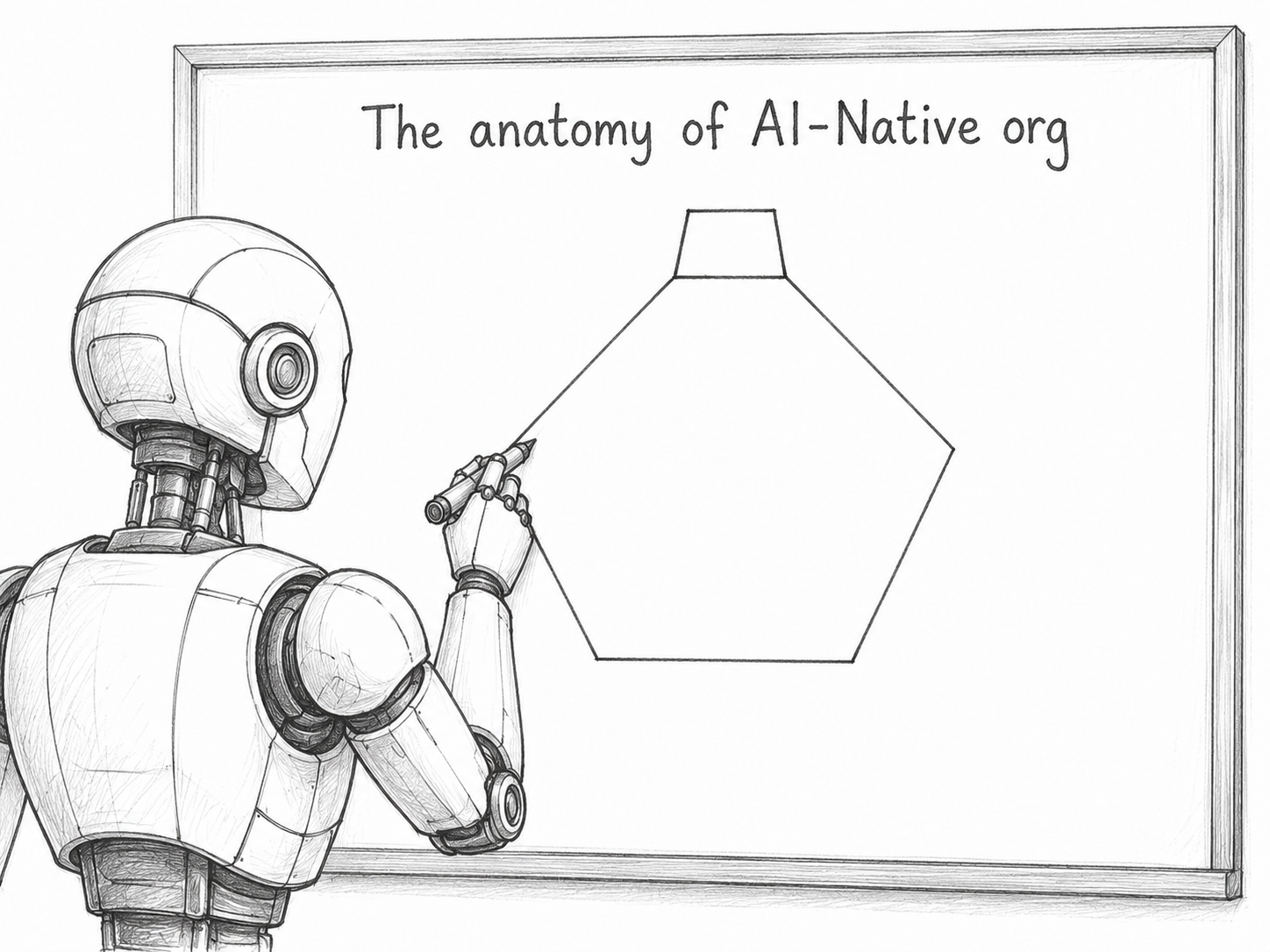
Ajey Gore presents the concept of an AI-Native organization, in which the focus of human activity shifts from performing technical tasks (How) to defining exactly what needs to be built (What) and why (Why). AI takes over technical specification and operational coordination, leaving humans with the role of architect and quality expert.
Context
Traditional corporate hierarchies are built on coordination and the transfer of tasks between different levels of management. With the development of AI agents, these structures are becoming inefficient, as the process of translating requirements from one format to another (for example, from business requirements to code) becomes automated.
Why It Matters for the Industry
The industry expects a transition toward more compact teams with a high density of decision-making. Instead of classic middle management and "ticket creators," companies will require specialists in creating evaluation harnesses and architects capable of managing agentic workflows. Traditional hierarchical layers will shrink in favor of autonomous groups.
Why It Matters for Users
Specialists whose work consists of the formal transformation of information (translating requirements into documentation or code) are at risk of automation. To remain in demand, it is necessary to develop skills in designing systems capable of safely using AI agents, as well as learning to define quality criteria in conditions of uncertainty.
Sources
Author
Look at AI, Editorial Staff