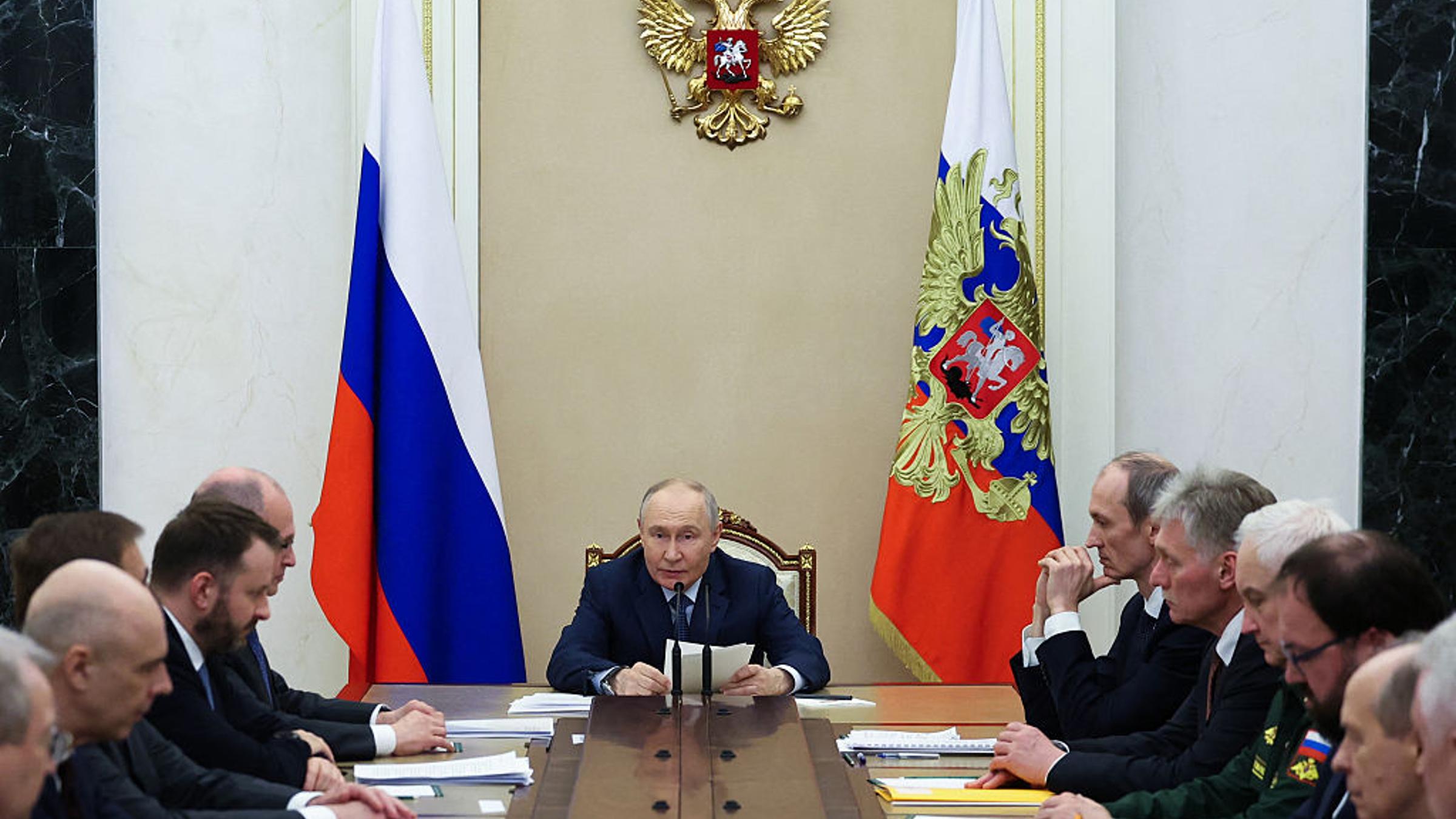
Russian authorities plan to manifold the number of artificial intelligence specialists by 2030, but the implementation of these ambitions is limited by a critical shortage of modern hardware.
What Happened
As part of a strategy to achieve AI sovereignty, Russia intends to increase the number of specialized professionals from 3,000 to 15,500 by 2030. However, the development of the industry is being hindered by sanction restrictions on access to high-performance chips from the US. To overcome the deficit, the possibility of cooperation with China is being considered, which may include the exchange of military data obtained during the conflict in Ukraine.
Context
Software capabilities and human capital in the AI field today directly depend on the availability of specialized semiconductors. Current sanctions create a fundamental gap between ambitious plans for scaling models and the actual computing power available for their training.
Why It Matters for the Industry
For the industry, this means an increased dependence on Chinese architectures and the need for forced model optimization (such as quantization and distillation) for less powerful hardware. There is a risk of fragmentation of the technology stack into a Western high-performance path and an alternative infrastructure development path.
Why It Matters for Users
For users and developers, this creates a ceiling for scaling local LLMs and high-performance computing. Restricted access to top-tier GPUs slows down the training of new SOTA models and limits the ability to rapidly prototype complex systems.
What Is Not Yet Known / Limitations
There is expert disagreement in assessments: while most analysts are skeptical, china_ai_regulatory_counsel holds a mixed position regarding the prospects of bypassing restrictions.
Sources
Author
Look at AI, Editorial Staff