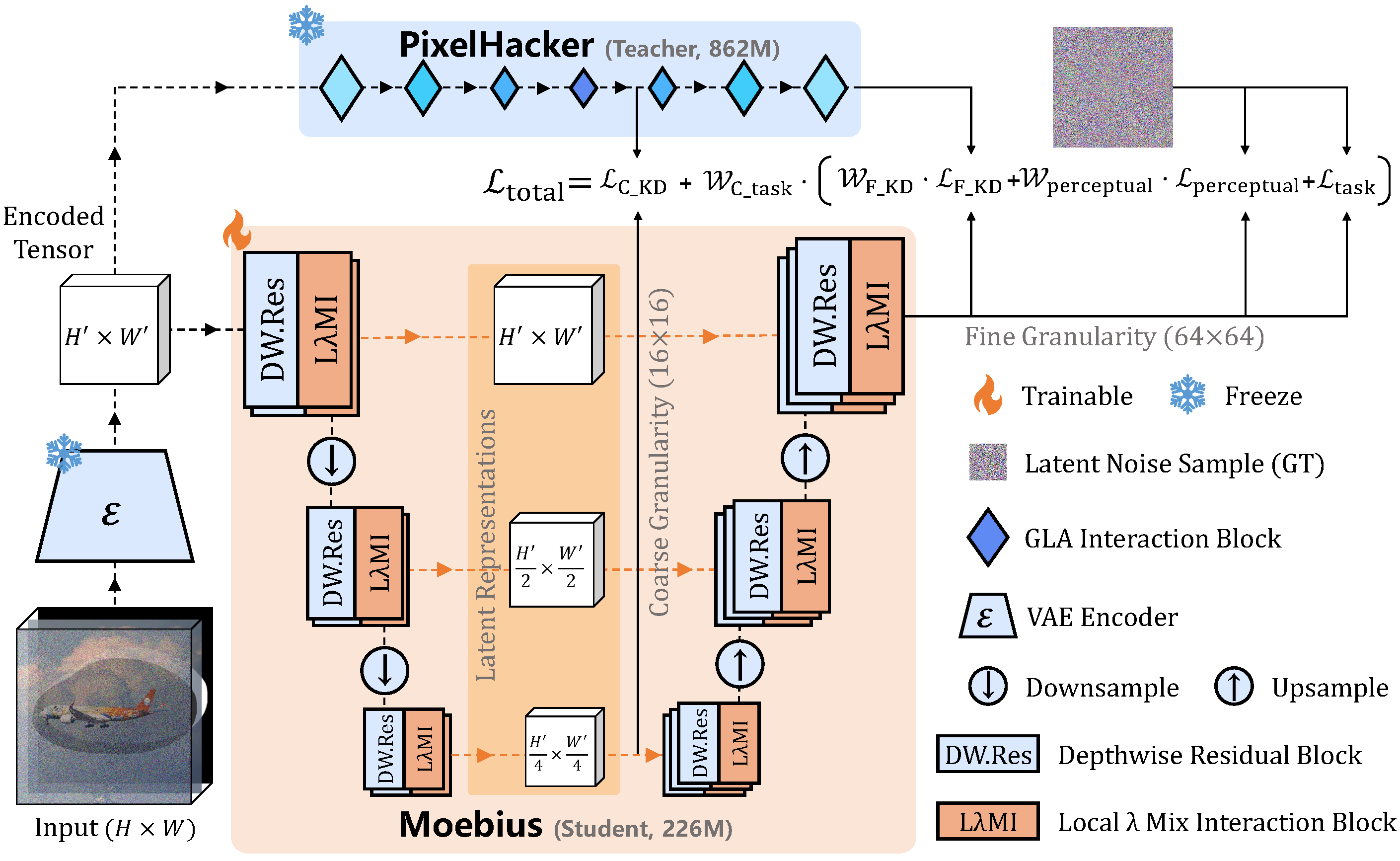
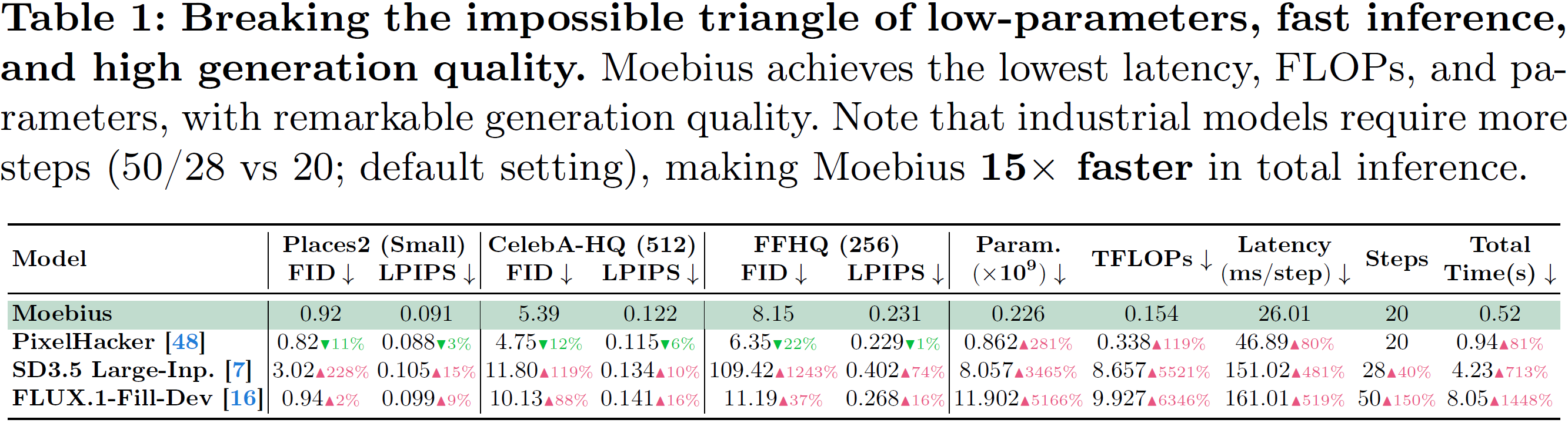
Moebius has been introduced—an innovative ultra-lightweight model for inpainting (image completion) with only 0.22B parameters. Despite its extreme compactness, it demonstrates generation quality on par with models exceeding 10B parameters, successfully competing with FLUX.1-Fill-Dev when working with portraits and landscapes.
What Happened
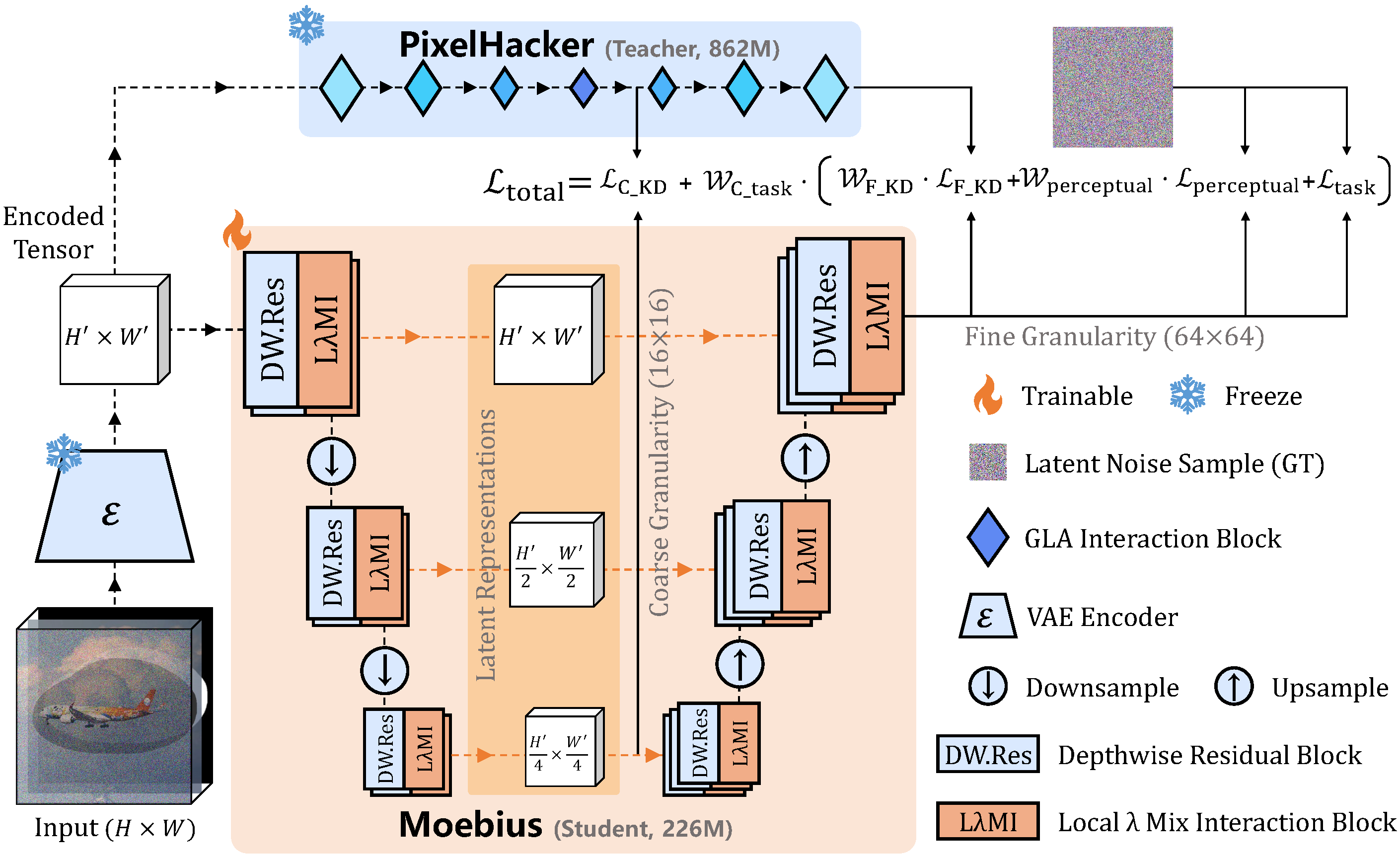
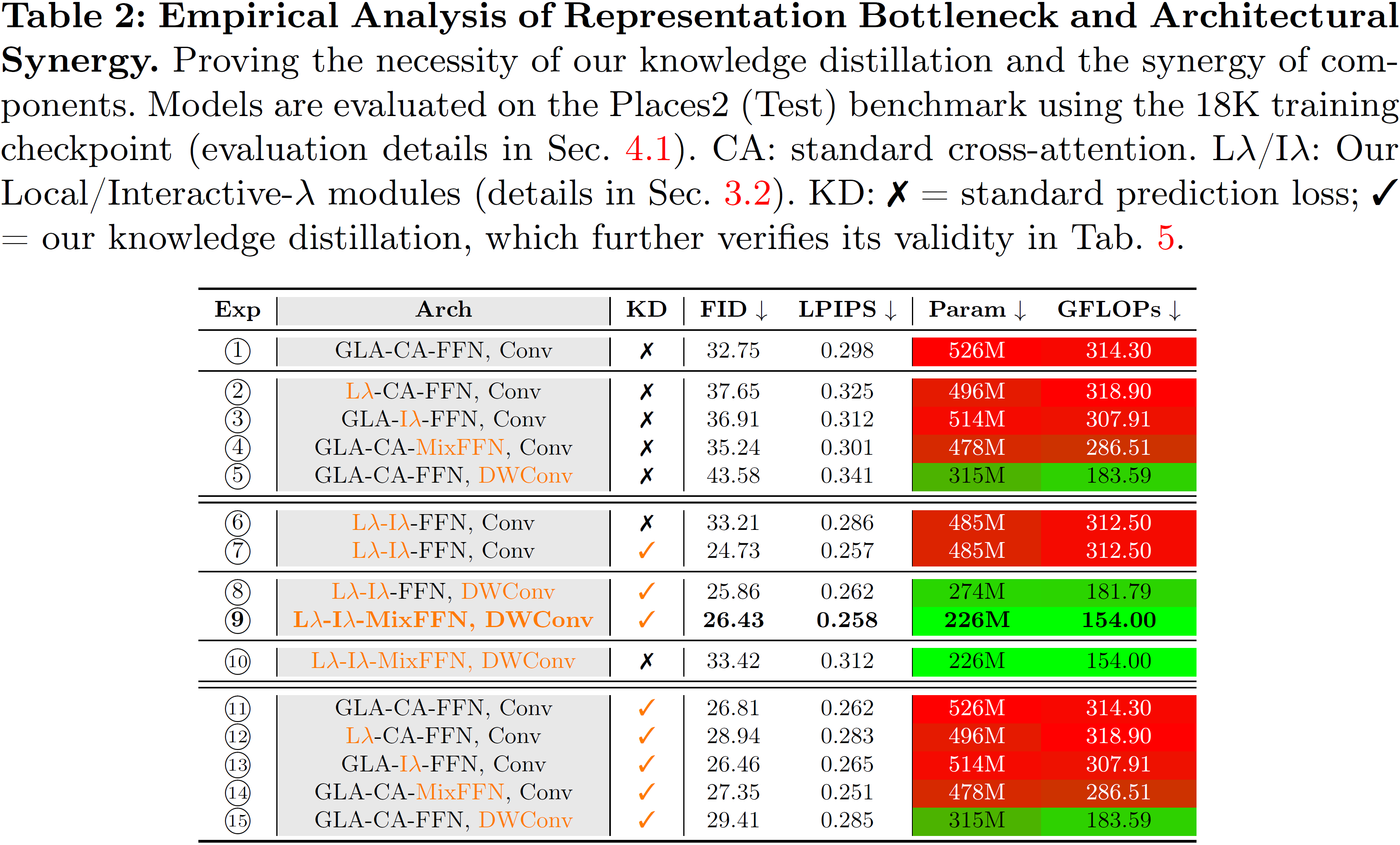
The Moebius model was developed using a Local-λ Mix Interaction (LλMI) block to optimize attention mechanisms and an Adaptive Multi-Granularity Distillation strategy to preserve quality during compression. This allows for a 15x inference speedup compared to heavy counterparts.
Context
Traditionally, high-quality image editing tasks require the use of massive general-purpose models, making them dependent on powerful cloud servers and expensive APIs. Moebius demonstrates the efficiency of Small Language Models (SLMs) in specialized creative computer vision tasks.
Why It Matters for the Industry
Moebius proves the possibility of replacing giant systems with compact specialized solutions, which reduces computational resource requirements and triggers the commoditization of heavy cloud APIs. This paves the way for ecosystems consisting of many fast and efficient small agents instead of a single universal model.
Why It Matters for Users
This technology allows high-quality photo editing to be moved directly onto mobile devices and other edge devices. Users will be able to perform complex inpainting operations locally, instantly, and privately, without network latency or the need for a cloud connection.
Sources
- Moebius Project Page
- [arXiv:2606.19195 [cs.CV]](https://arxiv.org/abs/2606.19195)
- Moebius on Hugging Face
Author
Look at AI, Editorial Team