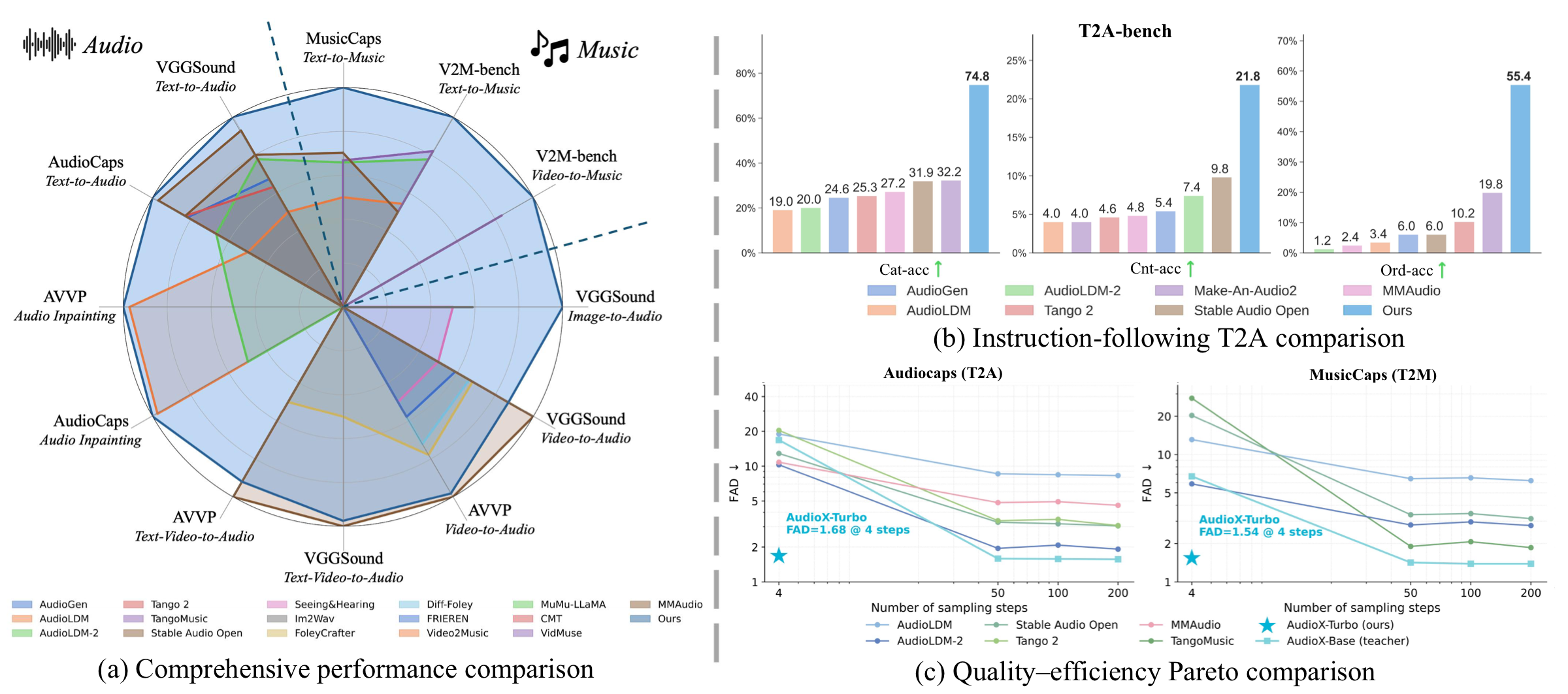
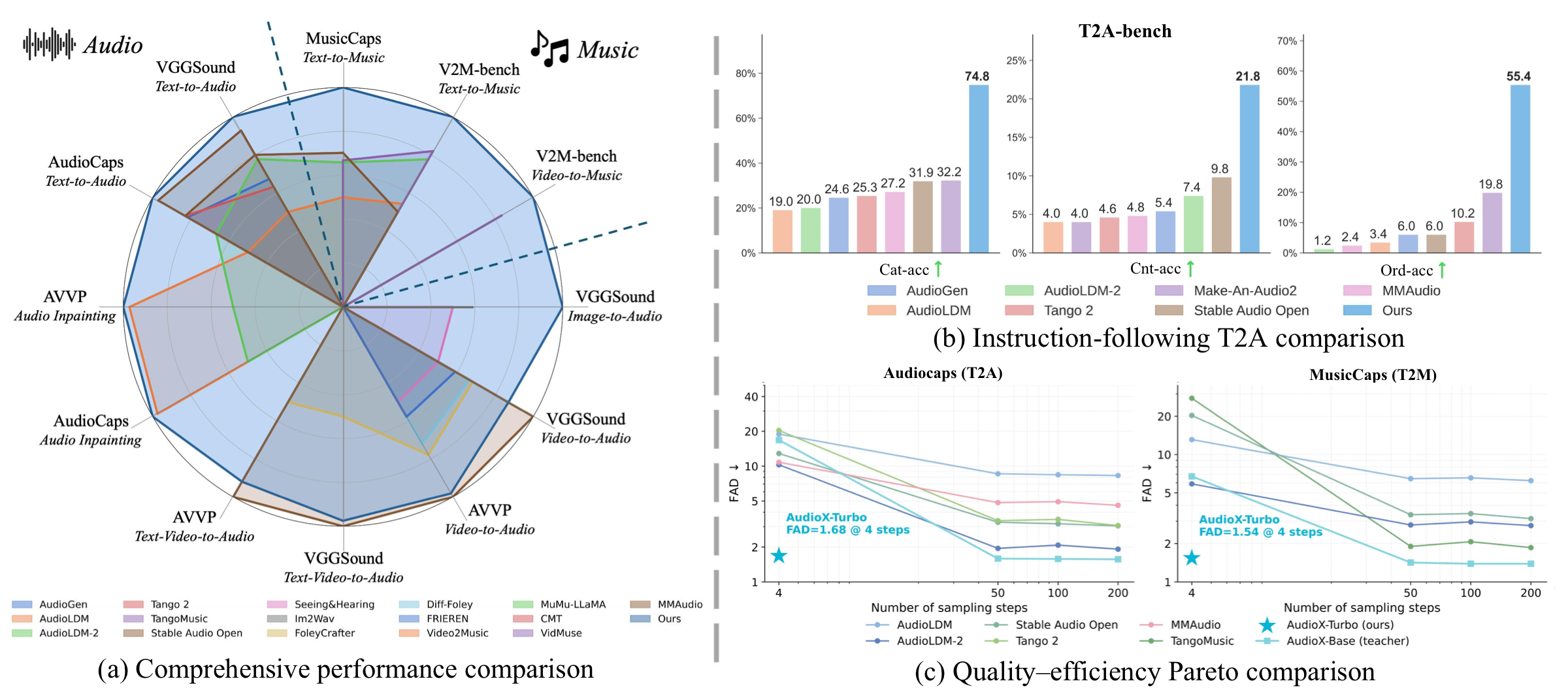
AudioX-Turbo has been introduced—a unified framework for efficient audio generation from multimodal inputs, including text, video, and audio. By utilizing a "teacher-student" paradigm, the model allows for high-quality sound creation in just 4 sampling steps, making the generation process nearly instantaneous.
What Happened
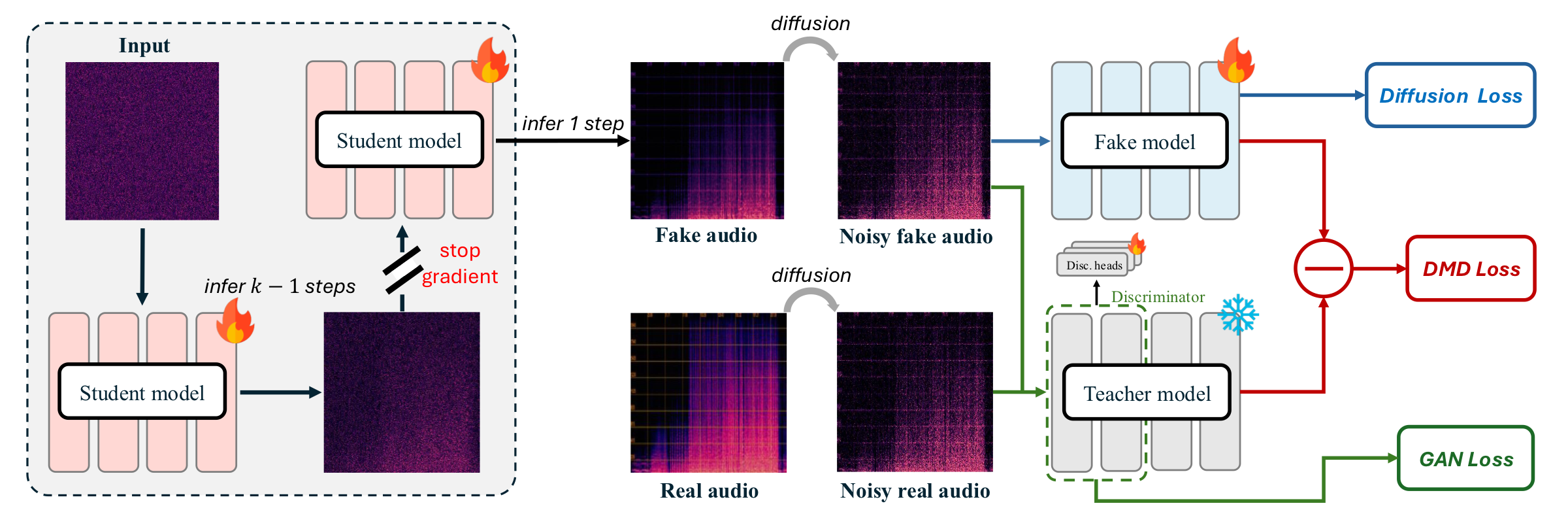
Developers have introduced AudioX-Turbo, which utilizes the Distribution Matching Distillation (DMD) method adapted for flow matching. This approach allows for the distillation of knowledge from the base diffusion transformer, AudioX-Base, into a lightweight AudioX-Turbo model. As a result, inference speed increases approximately 25 times compared to multi-step counterparts, reducing the required sampling steps to just 4.
Context
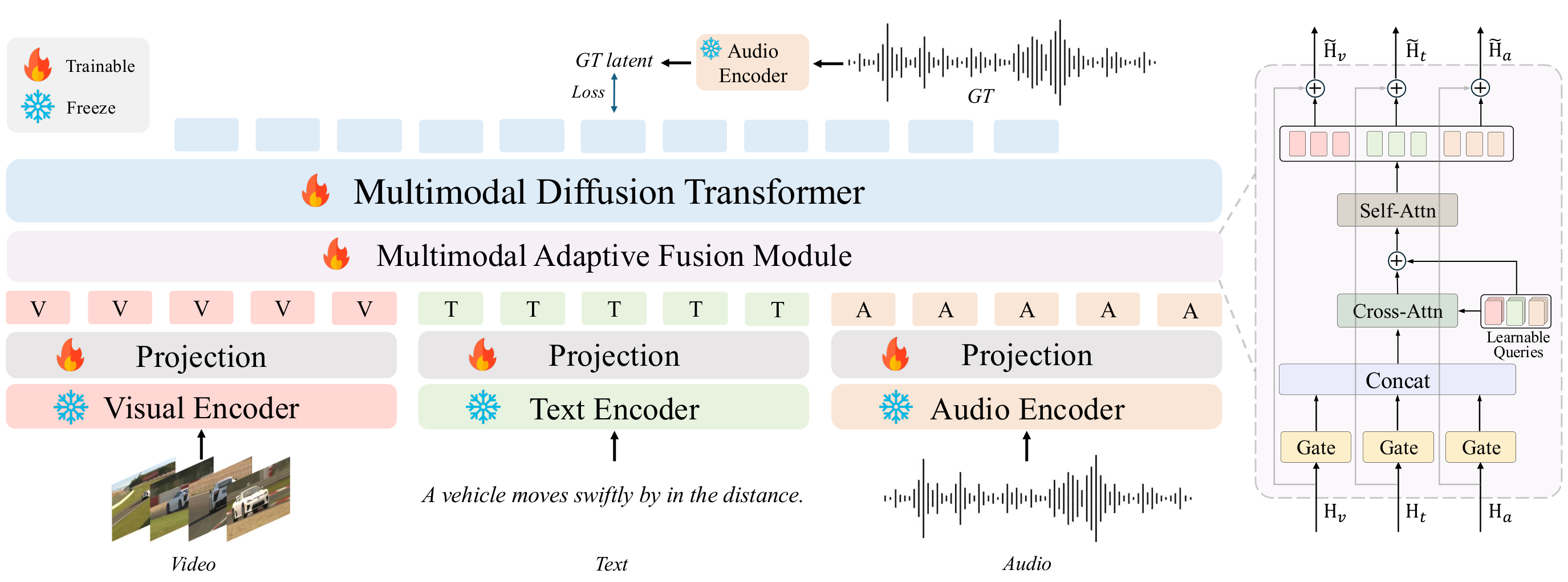
Traditional multimodal audio models require dozens of diffusion steps to achieve high-quality results, creating significant latency and limiting their use in interactive scenarios. AudioX-Turbo addresses this problem by relying on the Multimodal Adaptive Fusion (MAF) module embedded in the base architecture to effectively combine various types of input data.
Why It Matters for the Industry
For the AI industry, this represents a qualitative leap in multimodal model inference. The transition from heavy offline processes to ultra-fast generation paves the way for integrating sound and music in real-time directly into game engines and video editing tools. It also significantly reduces API usage costs for providers by decreasing GPU load.
Why It Matters for Users
Content creators can now generate soundtracks, sound effects (Foley), or voiceovers for video almost instantaneously using only text prompts or visual sequences. This makes AI production tools more accessible and significantly accelerates the prototyping process in creative industries.
What Is Not Yet Known / Limitations
Despite the technical success, there are differing assessments: experts are focusing both on architectural excellence and on potential socio-legal risks related to intellectual property.
Sources
Author
Look at AI, Editorial Team