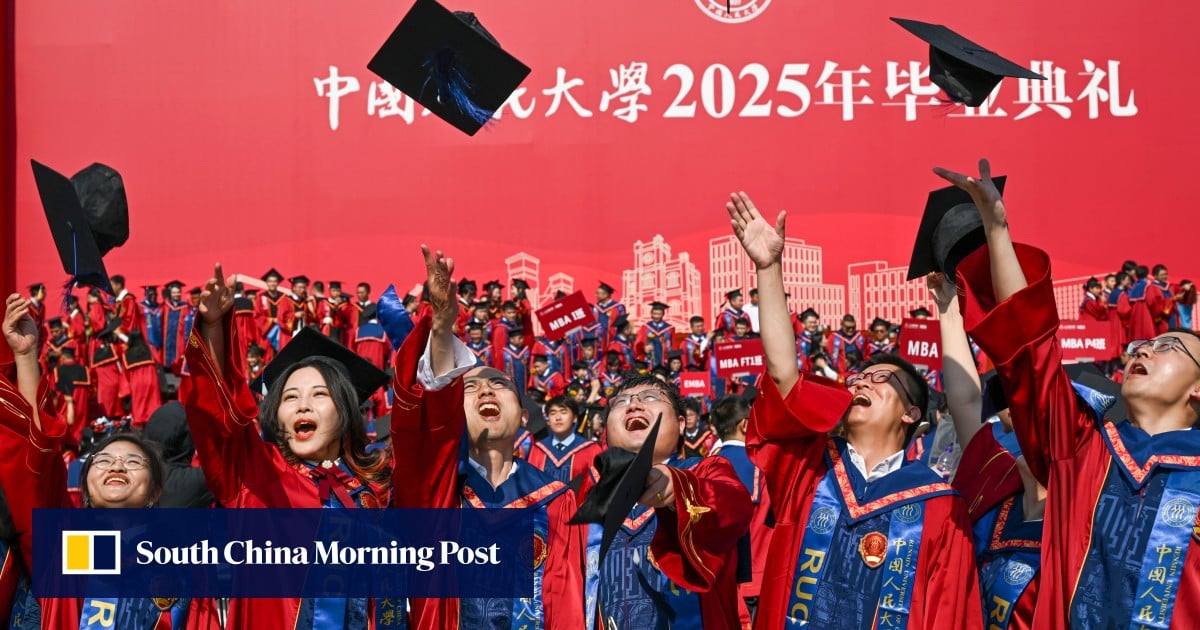
A massive restructuring of higher education is unfolding in China: between 2021 and 2025, the country's universities have abolished or suspended more than 12,200 undergraduate programs to redirect resources toward developing future technologies.
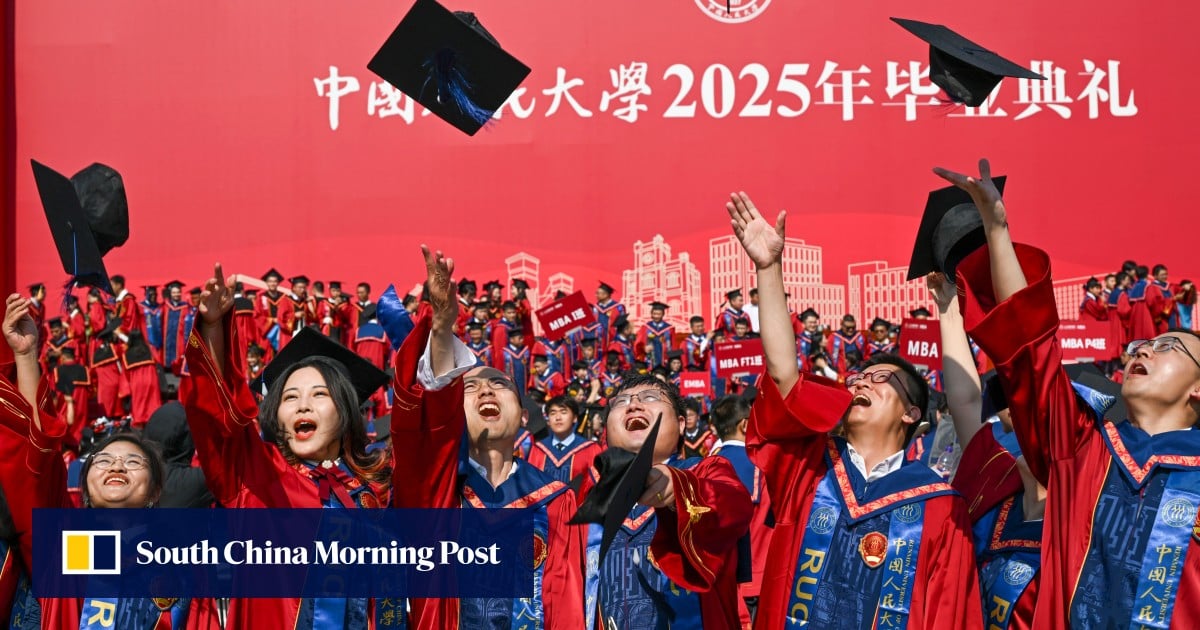
What Happened
As part of the reform, more than 30% of all university programs have undergone changes. Replacing the cut programs are approximately 10,200 new programs focused on high-tech sectors and the era of artificial intelligence. The primary impact of the reform has fallen on humanities disciplines, such as arts and linguistics, which are deemed less in demand under current economic conditions.
Context
This initiative serves as a tool for direct state planning, aimed at the aggressive redistribution of human capital from traditional fields to technological industries to strengthen China's leadership in AI and high-tech manufacturing.
Why It Matters for the Industry
For the industry, this signifies a sharp shift in educational standard focus and the beginning of a mass redistribution of student flows toward STEM disciplines. This will create a powerful influx of specialists for the AI sector, but may simultaneously trigger a shortage of qualified personnel in the humanities.
Why It Matters for Users
Readers should view this as a clear signal of a global transformation in the labor market. There is a reassessment of the value of classical academic specialties, forcing students and professionals to adapt to new requirements and seek opportunities within emerging AI-native ecosystems.
What Is Not Yet Known / Limitations
There are differing assessments of the consequences: while technical specialists note a structural shift toward new tech stacks, entrepreneurs primarily see this as the creation of new market niches.
Sources
Author
Look at AI, Editorial Team