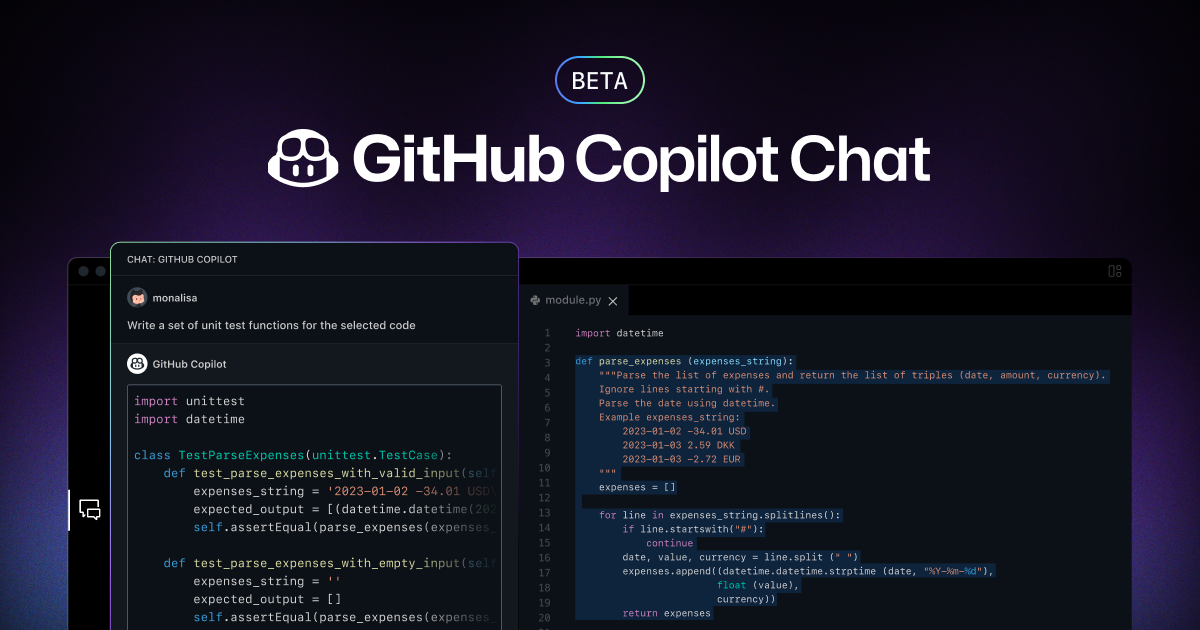
GitHub has radically changed its Copilot monetization model, shifting from a fixed subscription to a system based on actual token consumption. This decision has triggered a sharp rise in costs for many users and marks the industry's transition from aggressive market capture to a stage of intense commercialization of AI services.

What Happened
GitHub has replaced its monthly subscription model with pay-per-token billing. For many users, this has resulted in unpredictable cost spikes: monthly bills that previously hovered around $29 can now climb to several hundred or even thousands of dollars, depending on the intensity of service usage.
Context
For a long time, AI tools have evolved under conditions of aggressive subsidization, where vendors offered low fixed prices to capture a customer base. GitHub's current transition marks the end of the "cheap computing" period, where large corporations covered costs for the sake of scaling, and the beginning of a phase of direct resource monetization.
Why It Matters for the Industry
For the industry, this is a signal that the era of unlimited AI resource consumption is ending. Companies are forced to revise their strategies: moving from a focus on scaling to a focus on prompting efficiency, architectural context control, and the development of tools for monitoring AI inference costs. An increased demand for solutions for LLM response optimization and caching is expected.
Why It Matters for Users
Developers must immediately abandon "vibe coding" practices—the unsystematic and uncontrolled writing of code via AI assistants. Now, every iteration and extra token must be paid for separately, requiring the implementation of strict limit control tools and model interaction optimization to avoid catastrophic increases in operational expenses.
What Remains Unknown / Limitations
At this moment, it is unclear how widespread the shift to self-hosted solutions will be as an alternative, and how the market will segment between "premium" unlimited assistants and tools focused on efficiency.
Sources
Author
Look at AI, Editorial Team