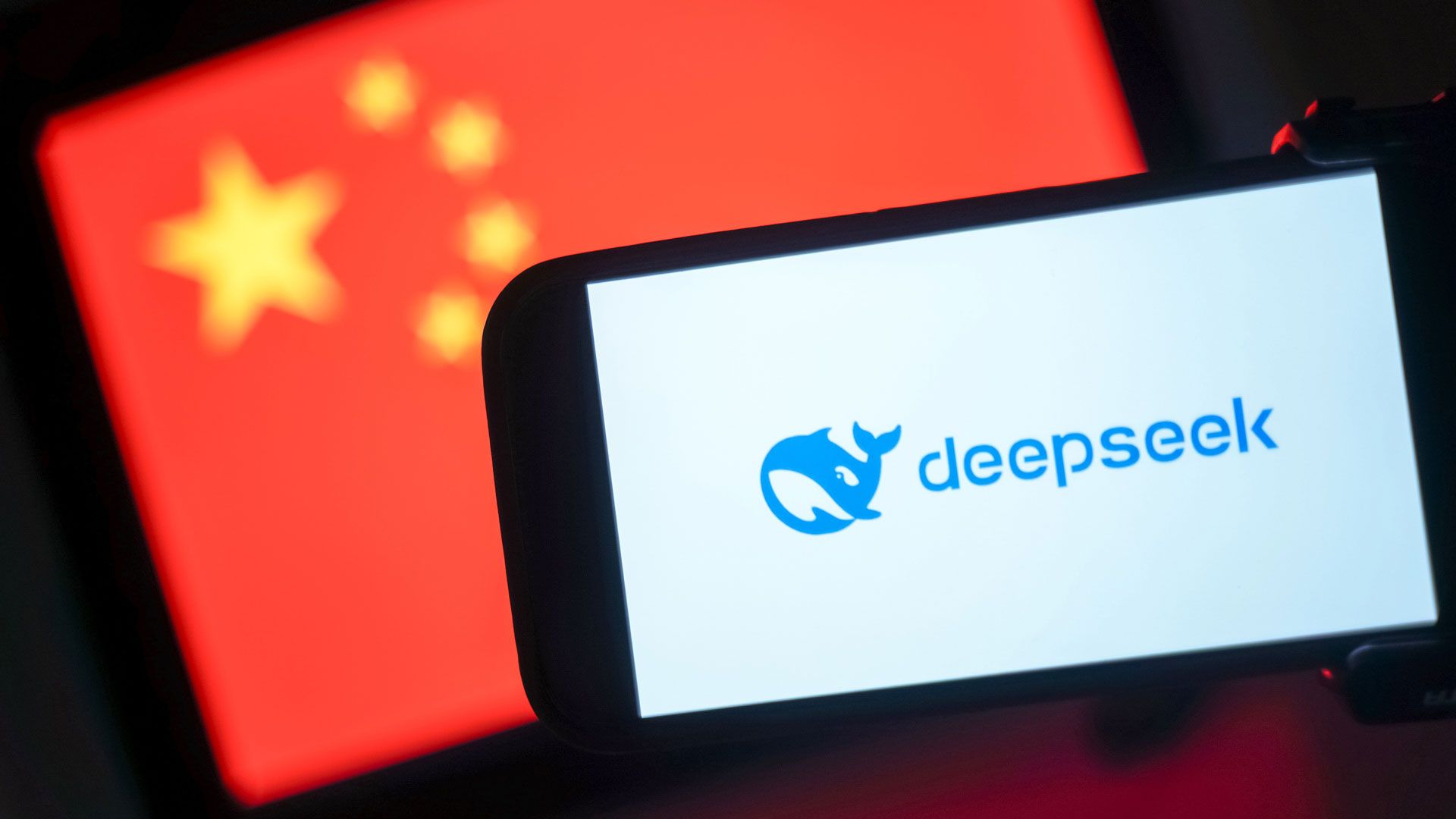
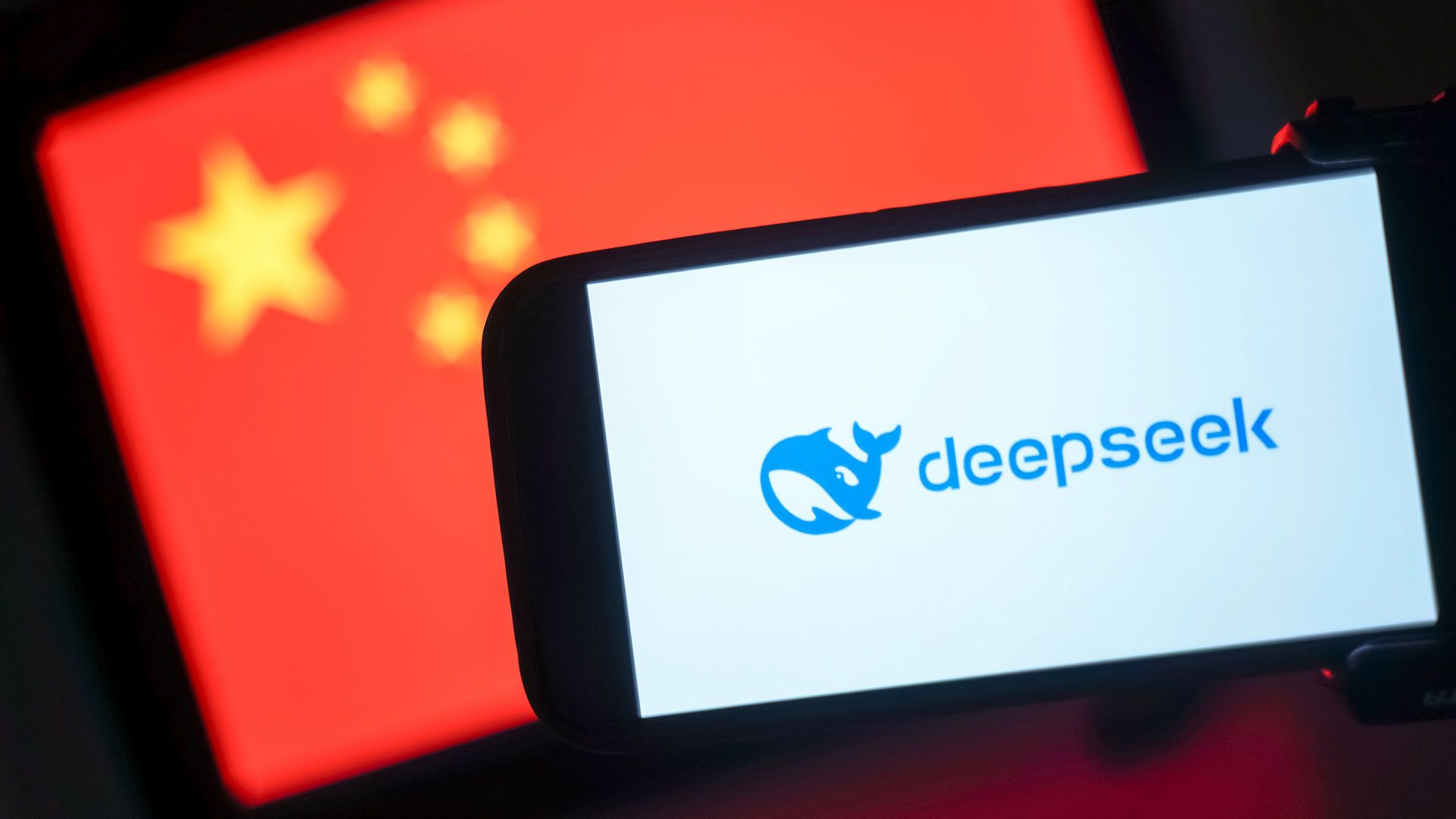
Amidst the intensification of "technological divergence" policies in China, American tech companies are demonstrating unexpected economic pragmatism, mass-migrating to ultra-cheap Chinese AI models such as DeepSeek.
What Happened
The Chinese Ministry of State Security (MSS) has initiated restrictions on the use of Western AI models and chips due to national security concerns. Simultaneously, a massive interest in Chinese alternatives is being observed in the US: companies are being drawn in by aggressive reductions in inference costs—for example, the price for the DeepSeek V4-Pro model has dropped by 75%.
Context
Geopolitical confrontation and US sanctions on Nvidia chip supplies are provoking retaliatory measures from Beijing. This is creating a situation where technological standards and infrastructure are beginning to split into two isolated ecosystems.
Why It Matters for the Industry
For the industry, this signifies a risk of fragmentation in the global market for AI tools and standards. A need is forming for new solutions, such as API abstraction layers, which would allow companies to switch flexibly between Western and Chinese models depending on regulatory and economic conditions.
Why It Matters for Users
For startups and developers in the US, access to highly efficient and extremely cheap models like DeepSeek is becoming a powerful competitive advantage, allowing for significant optimization of scalable inference costs despite ongoing political tensions.
What Remains Unknown / Limitations
There is serious uncertainty regarding compliance: legal departments are expressing concerns about regulatory risks when using Chinese models within the US corporate sector.
Sources
Author
Look at AI, Editorial Team