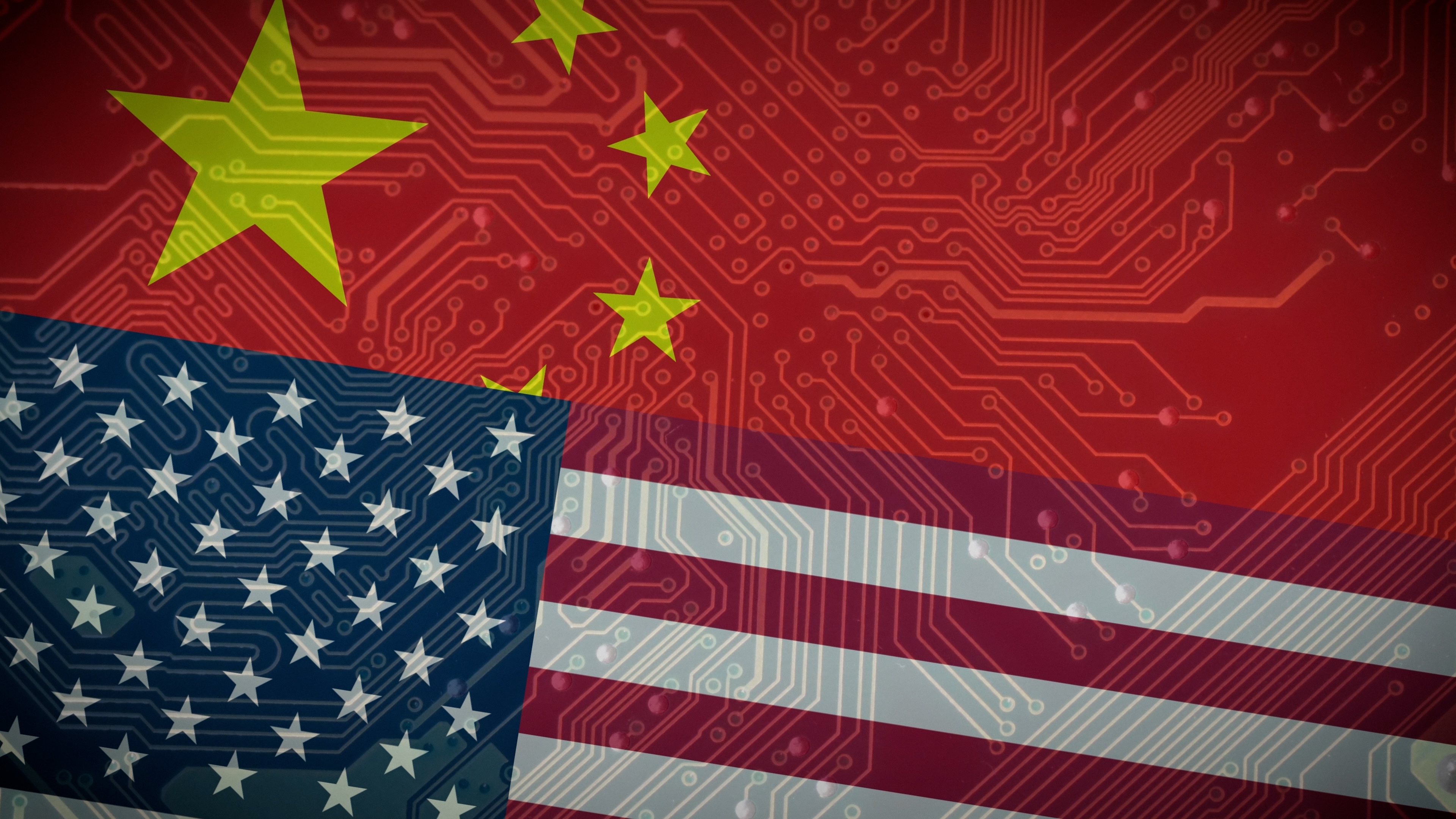
The global confrontation between the US and China is entering a phase of struggle for artificial intelligence technological infrastructure, creating a threat of splitting the global market into two incompatible technological ecosystems.
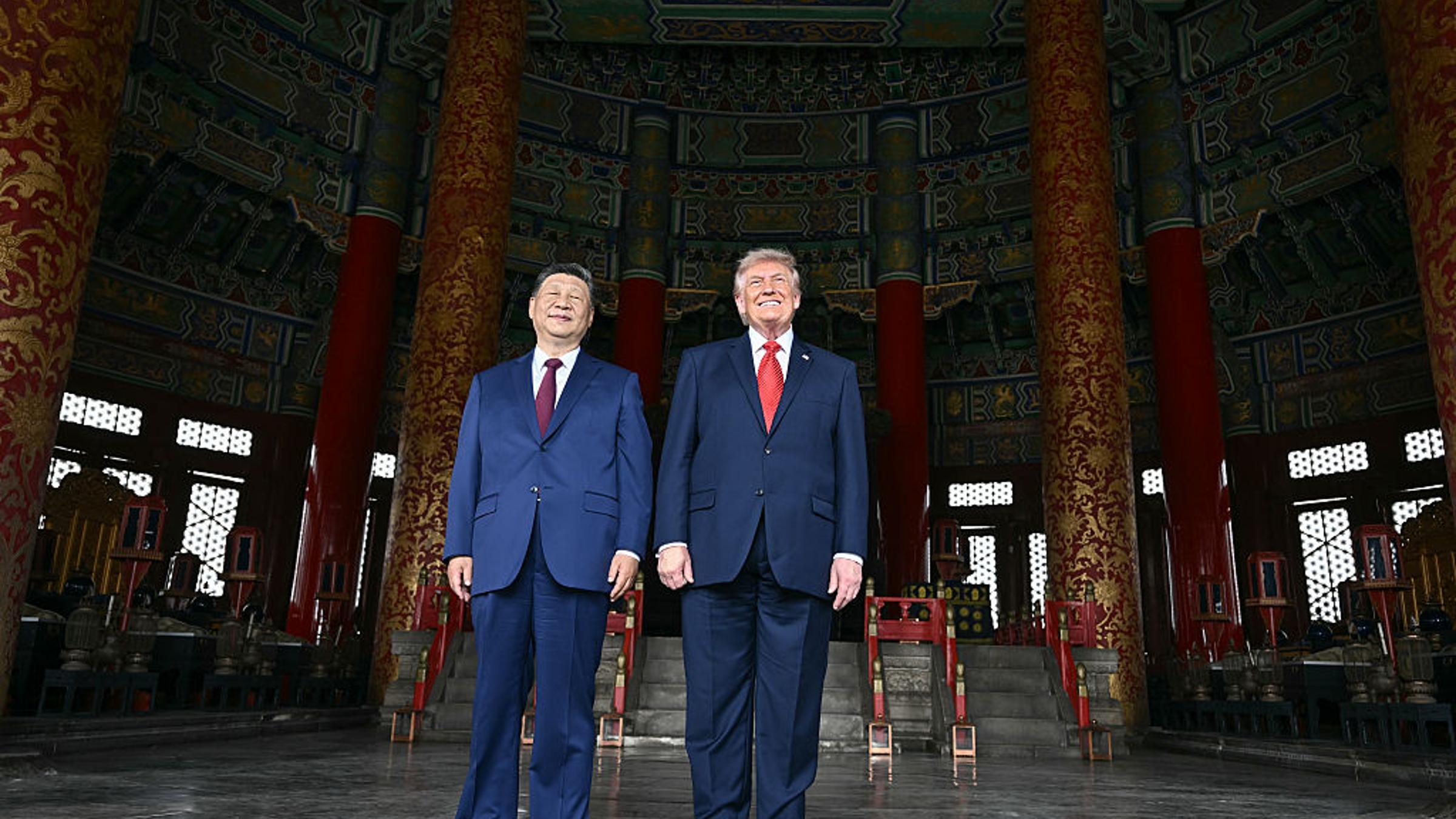
What Happened
The US is applying export controls on advanced chips (specifically NVIDIA) to contain the technological progress of competitors. In response, China is focusing on achieving technological sovereignty by developing its own hardware and software solutions, such as Huawei and Cambricon, and is actively fighting to retain talent, as demonstrated by the case of blocking Meta's acquisition of Manus.
Context
The conflict is evolving from an ideological confrontation into a fundamental struggle for control over the physical and software layers of AI. There is a risk of forming two isolated standards: a proprietary US model and a state-oriented Chinese model, which would make cross-regional product scaling an extremely difficult and expensive process.
Why It Matters for the Industry
For the industry, this means increasing market fragmentation. Companies may face the need to maintain two different technology stacks, which will significantly increase operating expenses (OpEx), complicate CI/CD and go-to-market (GTM) strategies, and create uncertainty in compute capacity planning.
Why It Matters for Users
For end users and developers, the superpower race directly affects the availability of GPUs and software. The rift in ecosystems could lead to familiar tools and models performing differently depending on the region or becoming entirely unavailable in certain parts of the world.
What Is Not Yet Known / Limitations
There are differences in the assessment of consequences: technical specialists (ML engineers, architects) are more concerned with operational complexity and observability, while business roles (startup founders) emphasize strategic scaling barriers and burn rate risks when supporting two stacks.
Sources
Author
Look at AI, Editorial Team