The UNU-INWEH institute has presented a 2026 report analyzing the complex impact of artificial intelligence on the environment through the lens of energy, water, and land resource consumption.
What Happened
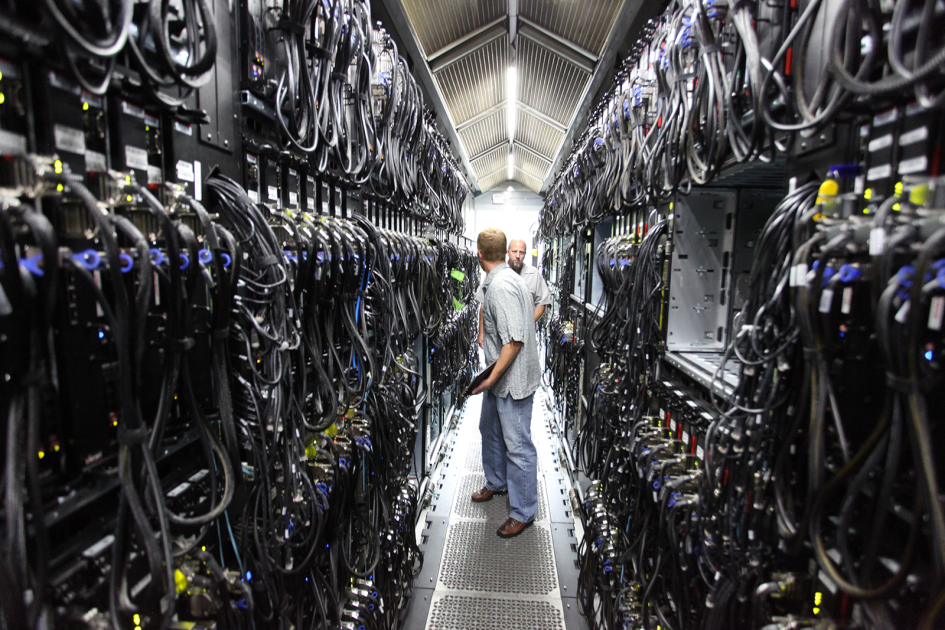
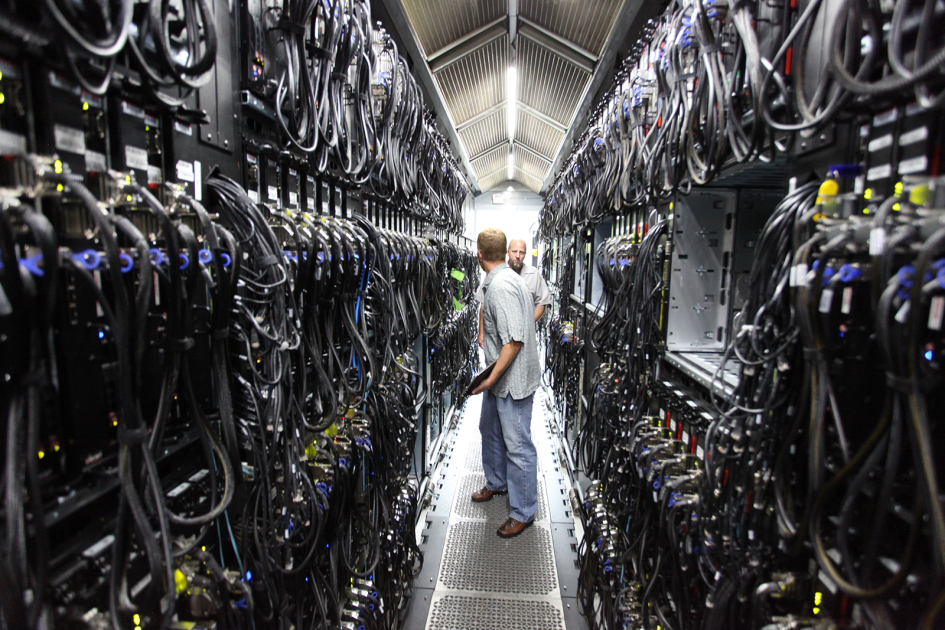
In the new UNU-INWEH report, it is highlighted that the environmental footprint of AI extends far beyond simple energy consumption. The main drivers of this load are identified as the scaling of data centers, the increasing complexity of model architectures, and the growth of multimodal queries, such as video generation. The report points to a critical industry dependence on water resources for infrastructure cooling and land areas for mining necessary minerals.
Context
The transition to renewable energy sources does not solve the problem of water and land consumption, as building data center infrastructure and extracting raw materials require significant physical resources. There is a risk that gains in algorithmic efficiency could be entirely offset by the rapid increase in the total volume of model queries.
Why It Matters for the Industry
For AI developers and providers, there is a growing need to transition toward the concept of "Efficiency by Design." This implies accounting not only for computational complexity but also for the full lifecycle of hardware, as well as optimizing physical infrastructure (cooling systems and data center locations). In the long term, new ESG reporting standards and regulatory restrictions on water usage in water-scarce regions are expected.
Why It Matters for Users
For end users, this means that AI is not just abstract digital code, but a material system with a real physical impact on the planet. In the future, this could lead to changes in the cost of operating technologies and the emergence of new standards for "environmentally conscious" AI use—for example, when choosing a data processing region or a specific model based on its carbon footprint.
Sources
Author
Look at AI, Editorial Staff