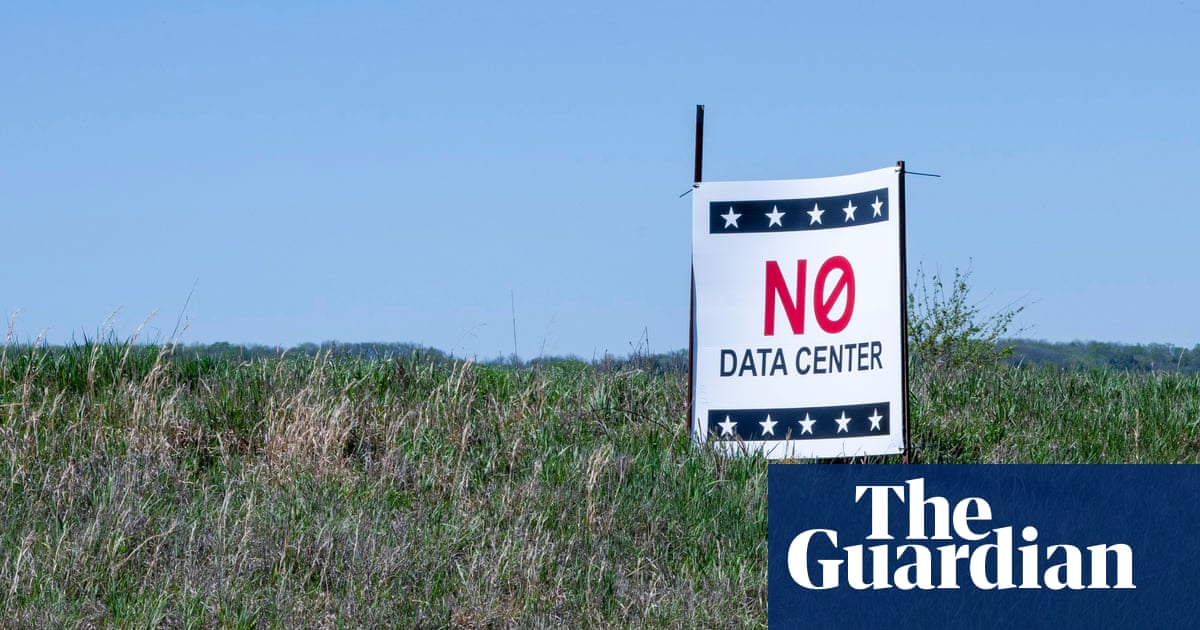
The rapid growth of the AI sector is driving anti-tech protest from the digital realm into the physical world, creating direct threats to infrastructure and the personal safety of industry leaders.
What Happened
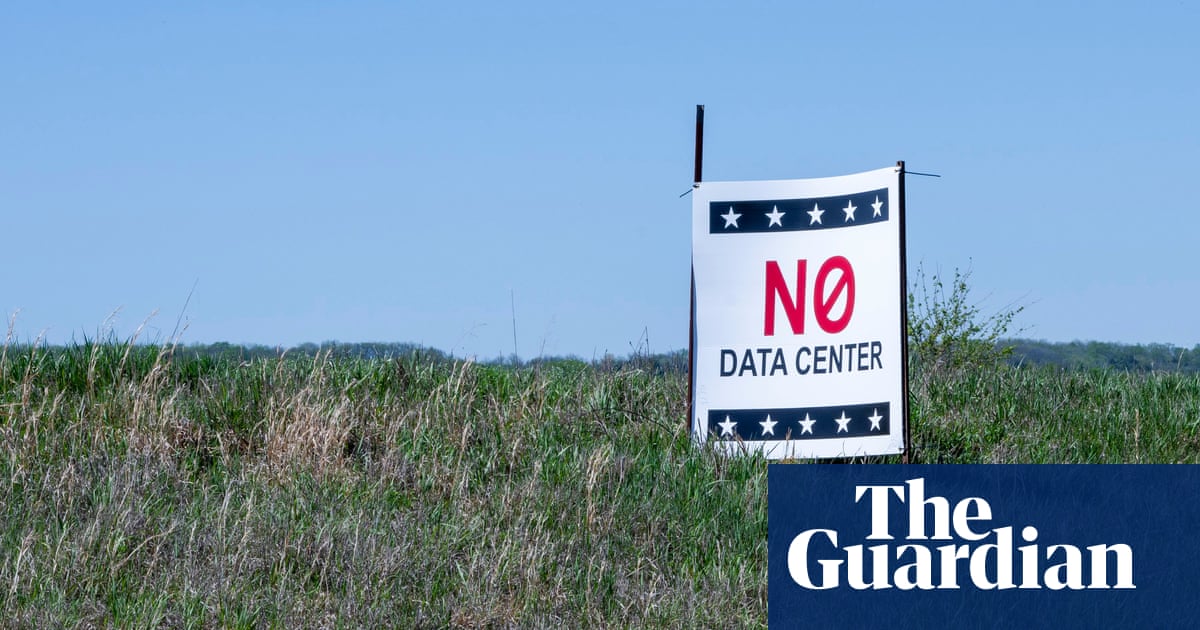
Instances of physical aggression have been recorded, including attempted arson at OpenAI's headquarters and Sam Altman's home, as well as attacks on data center infrastructure. The radicalization of groups across the political spectrum—from eco-fascists to privacy advocates—has escalated from online discussions into real-world threats.
Context
The unprecedented speed of AI technology deployment is not leaving society enough time for social and legislative adaptation, which is acting as a catalyst for extremist movements.
Why It Matters for the Industry
Tech companies are being forced to sharply increase spending on physical security (CAPEX/OpEx), hire national security experts, and revise protection protocols for key employees and infrastructure facilities. This is creating a need for new niches, such as AI-Safety-as-a-Service.
Why It Matters for Users
AI development is ceasing to be solely a matter of software code and models, transforming into a factor of political instability. This could lead to service disruptions due to acts of sabotage and requires consideration of the physical security risks to the infrastructure on which these technologies operate.
What Is Not Yet Known / Limitations
There is a noticeable difference in the focus of risks: ranging from operational costs for engineers to changes in the architecture of the technology stack for product specialists.
Sources
Author
Look at AI, Editorial Team