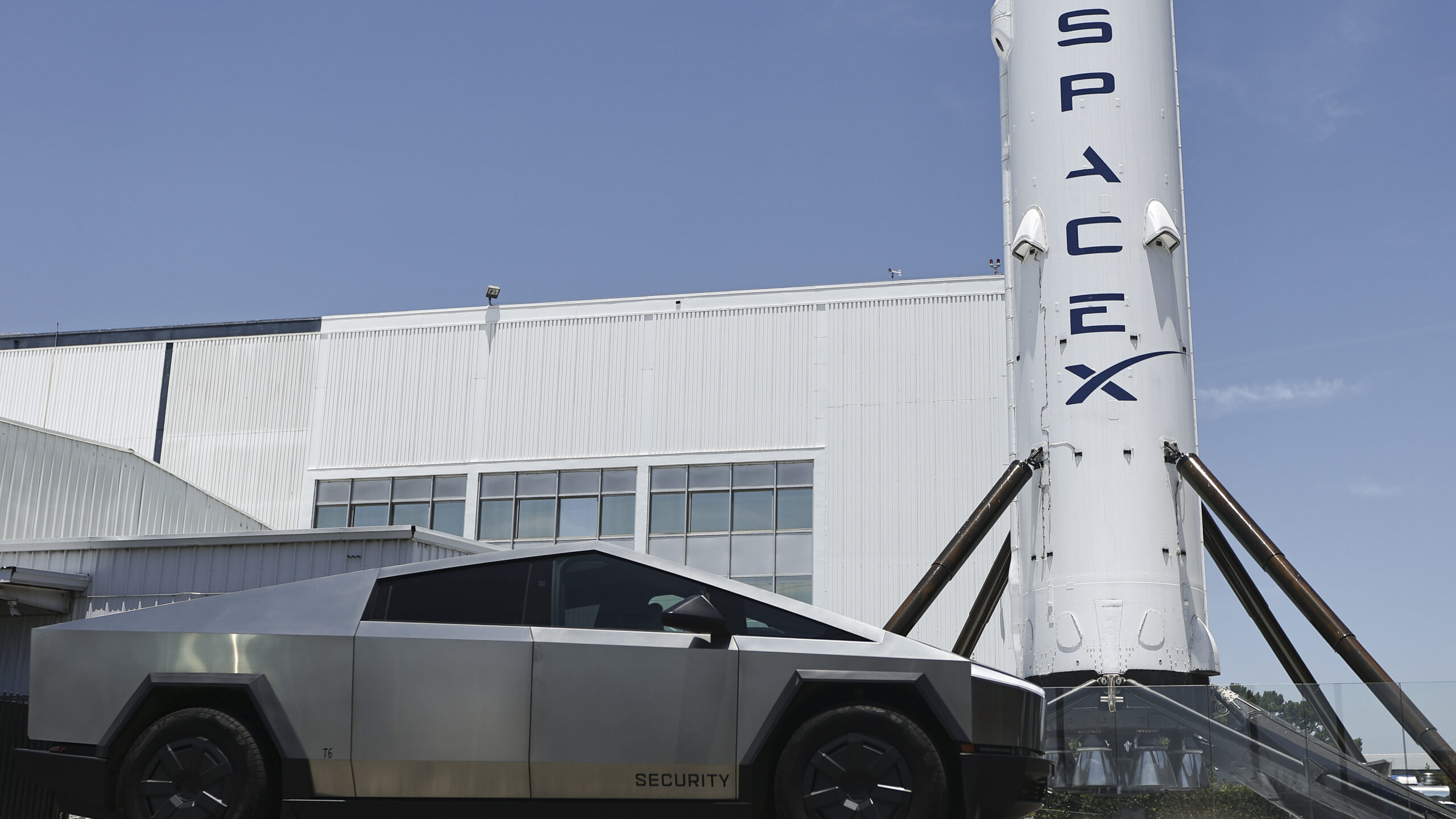
S&P Dow Jones Indices has decided to deny SpaceX's request for accelerated inclusion in the S&P 500 index. A conservative approach to profitability requirements and stock "maturity" periods also creates barriers to entry for other AI giants, such as OpenAI and Anthropic.
What Happened
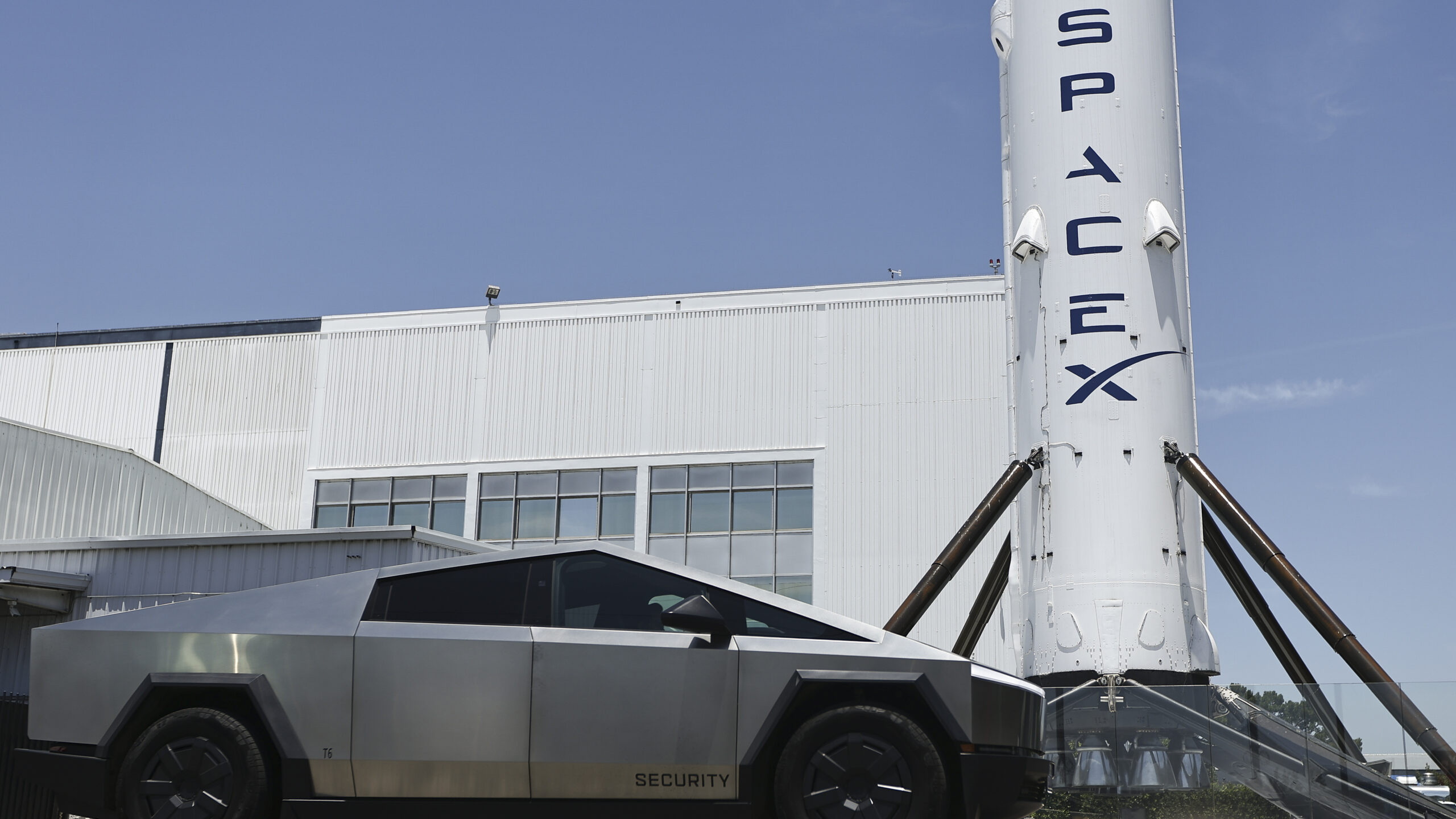
S&P Dow Jones Indices rejected SpaceX's request for accelerated inclusion in the S&P 500 index, maintaining strict criteria for financial stability. This decision automatically limits access to the index for highly valued but currently unprofitable companies in the artificial intelligence sector, including OpenAI and Anthropic.
Context
While exchanges such as Nasdaq and FTSE Russell have already relaxed their rules for admitting fast-growing technology companies, S&P adheres to a classic model of protecting passive investors. This creates a gap between the market valuation of AI giants and their fundamental financial performance, which traditional indices recognize.
Why It Matters for the Industry
For the AI industry, this means creating a financial barrier to the inflow of "passive money." It is estimated that the potential capital infusion from index funds could range from $15 billion to $25 billion. The decision forces developers to shift their focus from pure scaling and capacity building toward achieving operating profit and sustainable financial metrics to meet market standards.
Why It Matters for Users
Investors and asset holders should consider the reduced liquidity for shares of companies not included in major indices. Since such giants are not included in the automatic portfolios of major index funds like Vanguard and Fidelity, their shares are not automatically purchased, which changes the structure of asset ownership and requires a more specialized approach to investing in AI.
Sources
Author
Look at AI, Editorial Team