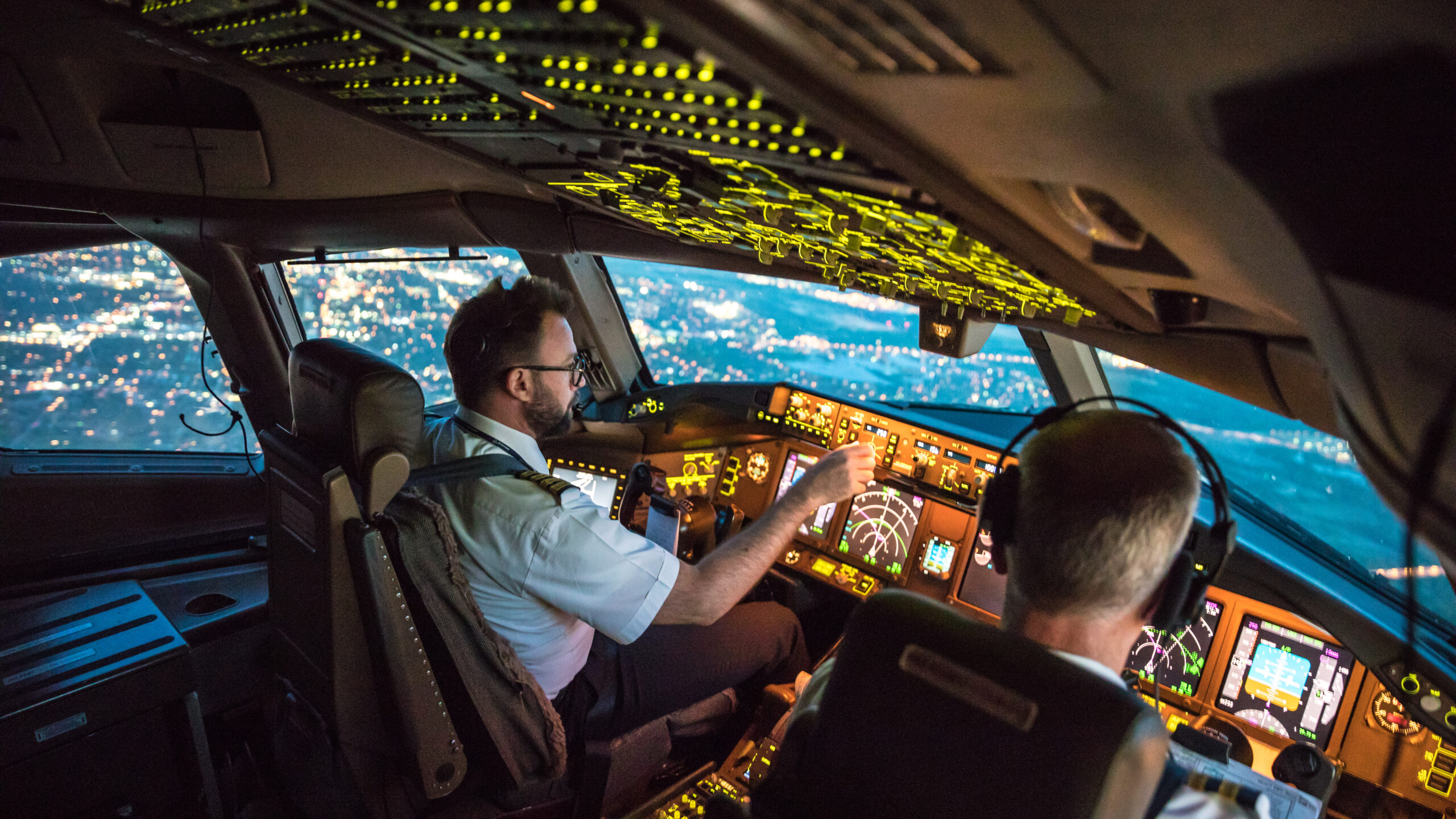
The US Federal Aviation Administration (FAA) has been operating the SMART artificial intelligence system across all 22 air traffic control centers in the country since November 10, 2026. The $875 million project analyzes weather, routes, traffic flow, and controller workload to recommend optimal routes, schedules, and landing sequences, but it does not control aircraft—the final decision always remains with a human. In the pilot region, SMART rerouted 180 flights, saving an average of 10 minutes and 80 gallons of fuel per flight, although the NATCA air traffic controllers' union stated that it was not involved in the system's design or implementation.
What happened
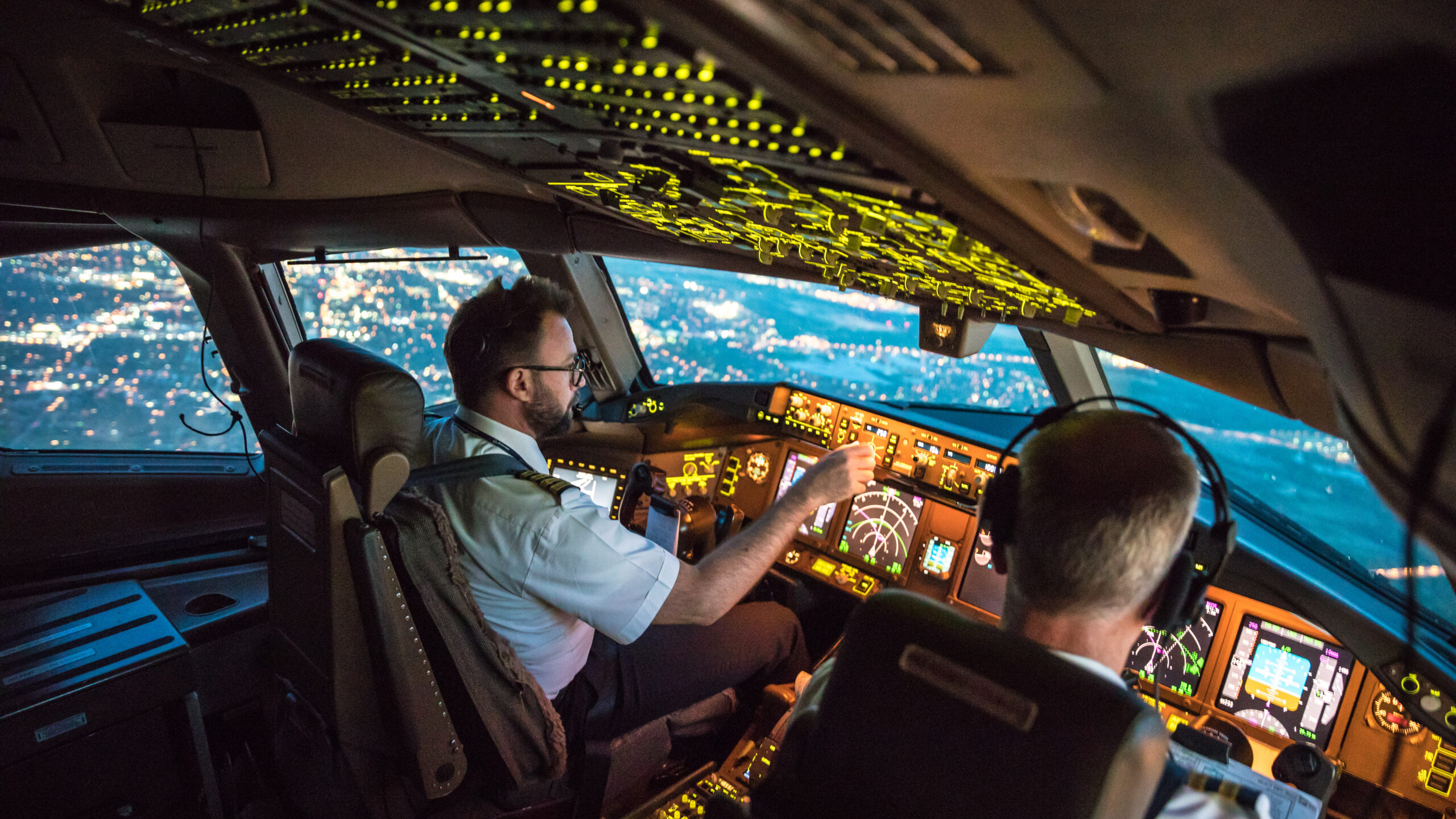
On November 10, 2026, the FAA expanded SMART from its pilot phase, which began on September 21 in the Washington area, to the entire country: the system now provides recommendations in all 22 US air traffic control centers. The project cost $875 million. SMART does not send commands to pilots or directly control traffic: it correlates data on weather, routes, traffic flow, and controller workload to suggest which route to choose, how to structure the schedule, and in what order to accept aircraft for landing. According to the FAA, in the pilot region, the system rerouted 180 flights, resulting in an average savings of 10 minutes and 80 gallons of fuel per flight. Meanwhile, the NATCA air traffic controllers' union reported that it did not participate in the system's design, testing, or implementation.
Context
The nationwide rollout responds to the state of the US air traffic control service: there is a staffing shortage, and recent nationwide ground stops—temporary bans on departures across the country—showed how quickly overload can paralyze the airspace. SMART's design aligns with the architecture of advisory AI: in a domain where the cost of error is unacceptably high, AI has been given the role of an advisor rather than an autonomous agent, and rare systems like this reach production in critical infrastructure. What is inside the system—classic operations research models, predictive ML models, or a hybrid—is unclear from the source, so its technical novelty cannot be assessed. For recommendation systems, the human factor is decisive: the real effect is determined by the proportion of advice accepted by controllers, which directly depends on operator engagement with the system.
Why this matters for the industry
For the industry, the main signal here is not aviation but the pattern: the government paid $875 million for AI that advises but does not decide, and brought it to production in nationally critical infrastructure amid a staffing shortage. This is a ready-made reference for pitching advisory products to regulation-heavy customers: the "advisory layer plus human in the loop" template has proven scalability. For engineers, the case shifts the focus from the question of "which model" to evals, observability, data freshness, and operator acceptance of recommendations—the real result depends on these factors. The direct FAA market for startups is currently inaccessible and expensive, and the system has no public API; if the pilot metrics are replicated in other centers, demand for similar advisory systems in government infrastructure and for human-in-the-loop evals, recommendation auditing, and drift monitoring tools is likely to grow.
Why this matters for users
For passengers, this is an example of AI working where errors are unacceptable: the system only suggests options, and the controller makes the decision, so flights do not come under algorithmic control. If the advice is accepted, passengers have a chance at fewer delays and a more predictable schedule, and fuel savings mean lower airline costs and fewer emissions. However, the effect is not automatic: it depends on how many recommendations controllers accept in real working conditions. The case is also useful as a benchmark for the boundaries of advisory AI: such systems change human decisions rather than replacing humans, and the claimed benefit should always be verified against published metrics rather than developer claims.
What is still unknown / limitations
The pilot sample is small and described only by averages: 180 rerouted flights with an average savings of 10 minutes and 80 gallons per flight are presented without a control group, variance, or weather context, so the statistical significance of the effect cannot be derived from these numbers. The national result after expansion to 22 centers has not been quantitatively confirmed, and the FAA's measurement methodology has not been disclosed. The system's internal architecture is unknown. Finally, NATCA's position creates an organizational risk: if controllers mass-reject recommendations, the actual benefit may be significantly lower than claimed.
Sources
- Ars Technica — FAA expands AI advice to manage air traffic congestion across US airspace
- Hacker News — discussion of the SMART deployment news
Author
Look at AI, editorial team