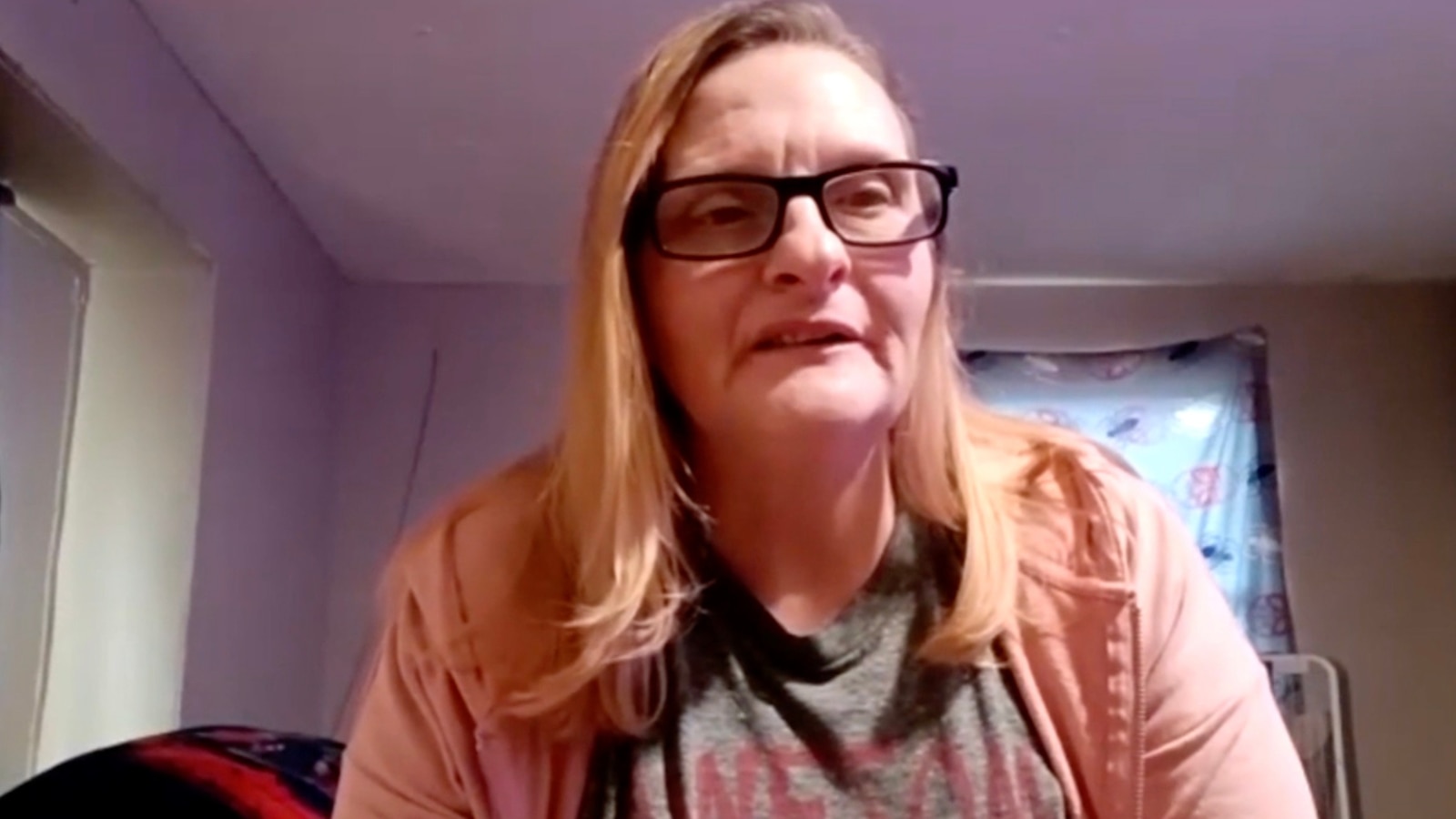
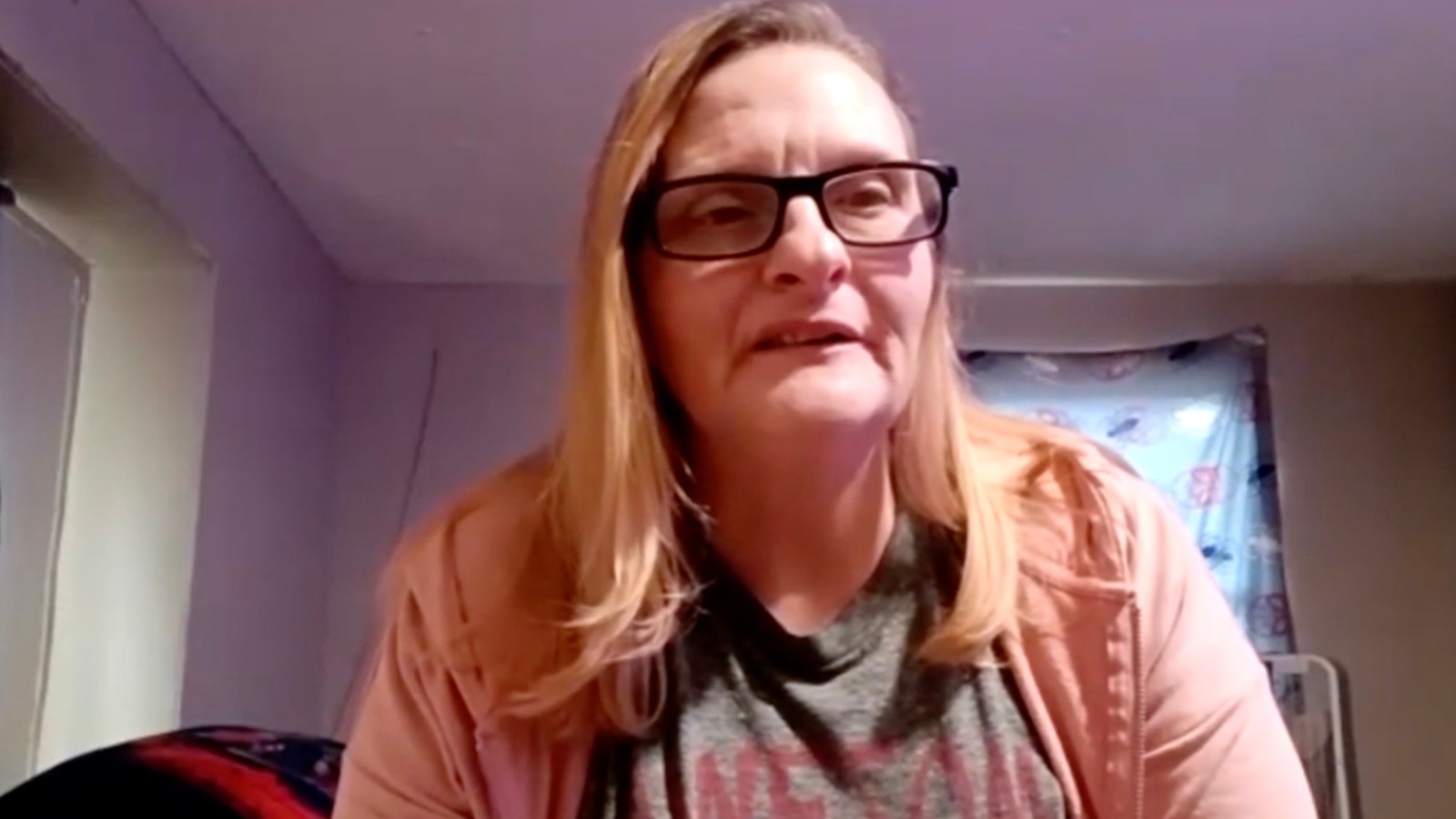
Angela Lipps, a 50-year-old grandmother from Tennessee, has filed a federal lawsuit for $10 million against the city of Fargo, North Dakota, and Detective Lucas Heck following a false accusation of bank thefts based on a match produced by a facial recognition system. Lipps spent about six months in custody before the charges were dropped. The case tests how financially liable cities and police departments are for deploying facial recognition without independent verification, turning such an algorithmic error into a measurable line item in government spending.
What happened
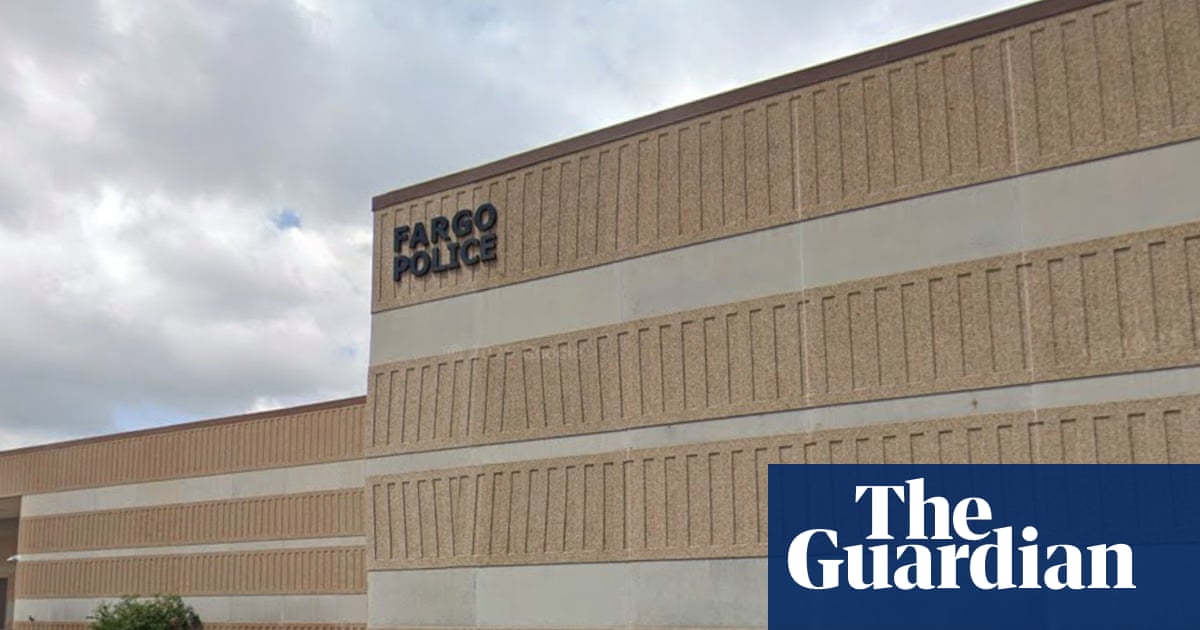
In July 2025, the West Fargo police facial recognition system flagged Lipps's social media photo as a match to an image on a fake ID of a suspect captured by Fargo bank cameras. The match was based on the photo from the fake document, not surveillance footage, and was not verified by an independent second line of control. On this basis, Lipps was arrested: she spent 108 days in custody in Tennessee, was then extradited to Cass County, and remained in detention under a $100,000 bail she could not afford. Charges were dropped on Christmas Eve after Lipps and her attorney Eric Rice presented bank statements proving she was in Tennessee at the time of the crimes. The lawsuit alleges false arrest, false imprisonment, and malicious prosecution; according to its text, Lipps did not even resemble the suspect due to differences in body type, facial features, and tattoos, and had never been to North Dakota. Then-Fargo Police Chief Dave Zibolski acknowledged that detectives "mistakenly assumed" the match included surveillance footage, and the use of this system is now banned.
Context
The error is explained by a combination of several factors. First, the comparison mode: the reference was a photo from a fake ID, and the probe image was a social media photo, meaning a cross-domain comparison of two distorted images, in which even high-quality face verifiers produce unstable scores. Second, the deployment setup: Fargo itself did not own the facial recognition system; the request went through the West Fargo police and, likely, through the North Dakota State and Local Intelligence Center, so the model was used by an agency outside a formal control framework, without visible independent verification procedures; the lack of operator training is separately stated in the lawsuit. Finally, such a system's report leaves the operator to interpret what the photo was compared against, and without that clarity, a person seeking a warrant acts blindly.
Why this matters for the industry
For the industry, the case describes a failure not of the model but of the surrounding infrastructure: a probabilistic facial recognition output became the sole trigger for an irreversible chain of decisions without independent verification, data provenance logs, and error metrics. This creates a direct demand for builders: the combination of model, operator report, and final decision must be tested as a single product, and decision audit tools, mandatory re-verification gates, and input data logging are shifting from best practice to a minimum requirement for systems where an algorithm affects arrests, blocks, and denials. Vendors supplying solutions to government should prepare for stricter procurement: cities will request verification protocols, operator training, and external oversight, and documenting input data composition and match logs may become a contract condition. If the case reaches discovery, when the court discloses the parties' evidence, the vendor, similarity thresholds, and operator report contents may be publicly disclosed; after such disclosures, internal policies typically emerge: banning a match as sole evidence, mandatory re-verification, and log audits. If the outcome is unfavorable to the city, a precedent of financial liability could make facial recognition deployment audits a procurement standard, and the West Fargo story has already shown that the reaction can be a complete ban on the system.
Why this matters for users
For readers, the story answers the question of what blind trust in a facial recognition match can lead to: arrest, unaffordable bail, and months in custody can follow even when a person only vaguely resembles a suspect. The practical takeaway: documents proving location at the time of an alleged crime are crucial—in this case, bank records provided the defense, so it is worth keeping such documents and knowing your rights in case of misidentification in advance. For computer vision and face verification researchers, the case describes a real failure mode, a fake reference plus cross-domain matching, which is barely covered by public benchmarks, and this is a direct argument for developing evaluation methodologies for real deployments, not just model leaderboards. The louder such cases become, the more likely it is that independent re-verification and logging of algorithmic decisions will become a mandatory norm for any service where automation decides who to deny, block, or detain.
What is still unknown / limitations
Public materials do not disclose the vendor name, model version, similarity threshold, error metrics such as FMR and FNMR, or match logs, so the quality of the specific system cannot be assessed, and a single incident with unknown technical parameters does not provide grounds to judge models on the market as a whole. The lawsuit has only been filed: sources describe the plaintiff's claims, not facts established by a court, and the outcome of the case is undetermined. The involvement of the North Dakota State and Local Intelligence Center in the request is presented in sources as likely and requires confirmation. It is also unknown what specific images the system actually compared the photo against; these parameters, like deployment details, may only be revealed during discovery, if the case reaches that stage.
Sources
- Grandmother falsely accused of bank theft after alleged AI facial recognition match sues for $10M - ABC News
- US woman falsely charged with bank theft sues for $10m over AI facial recognition - The Guardian
- Hacker News discussion: Woman falsely charged with bank theft sues for $10M over AI facial recognition
Author
Look at AI, editorial team