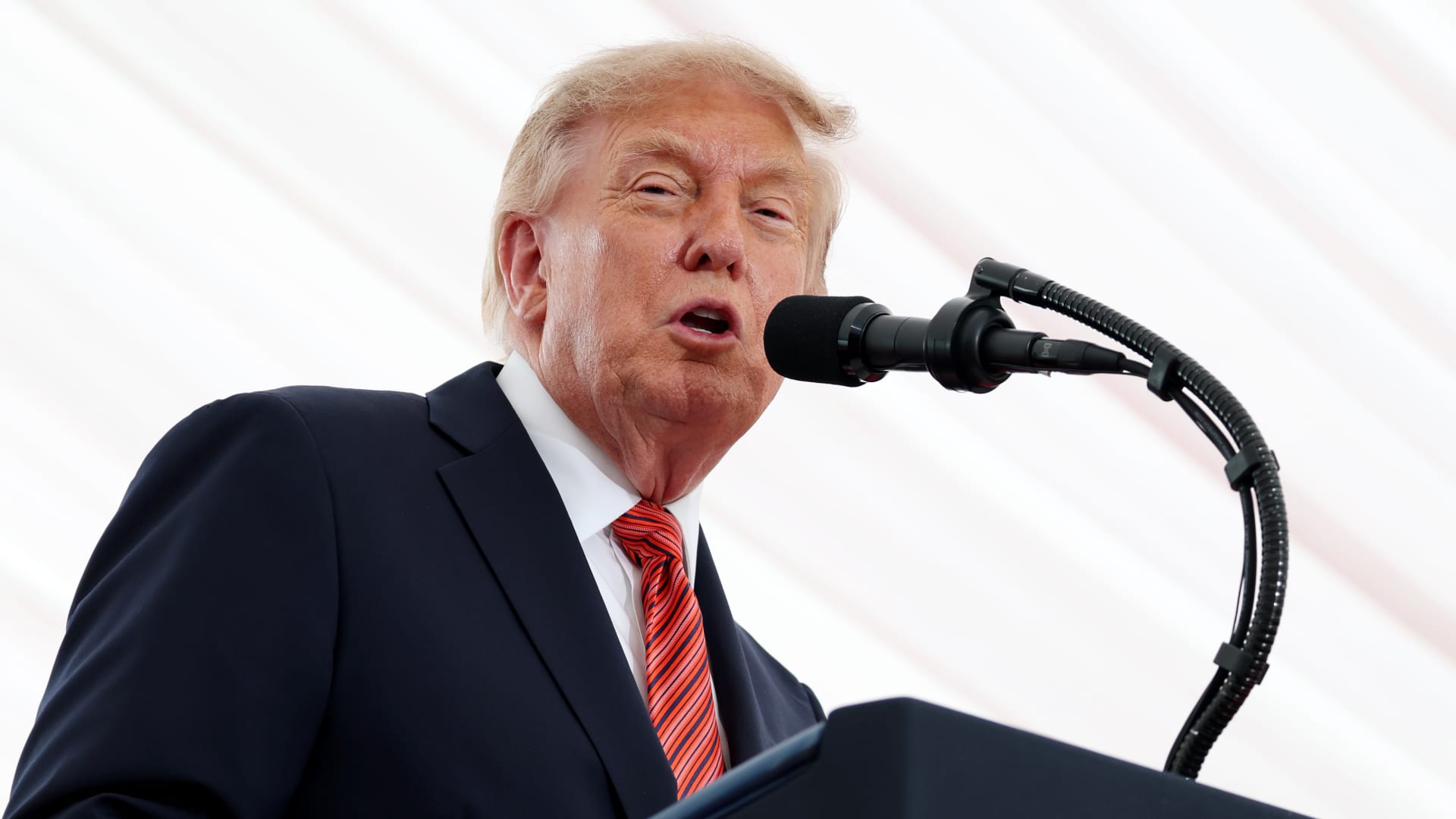
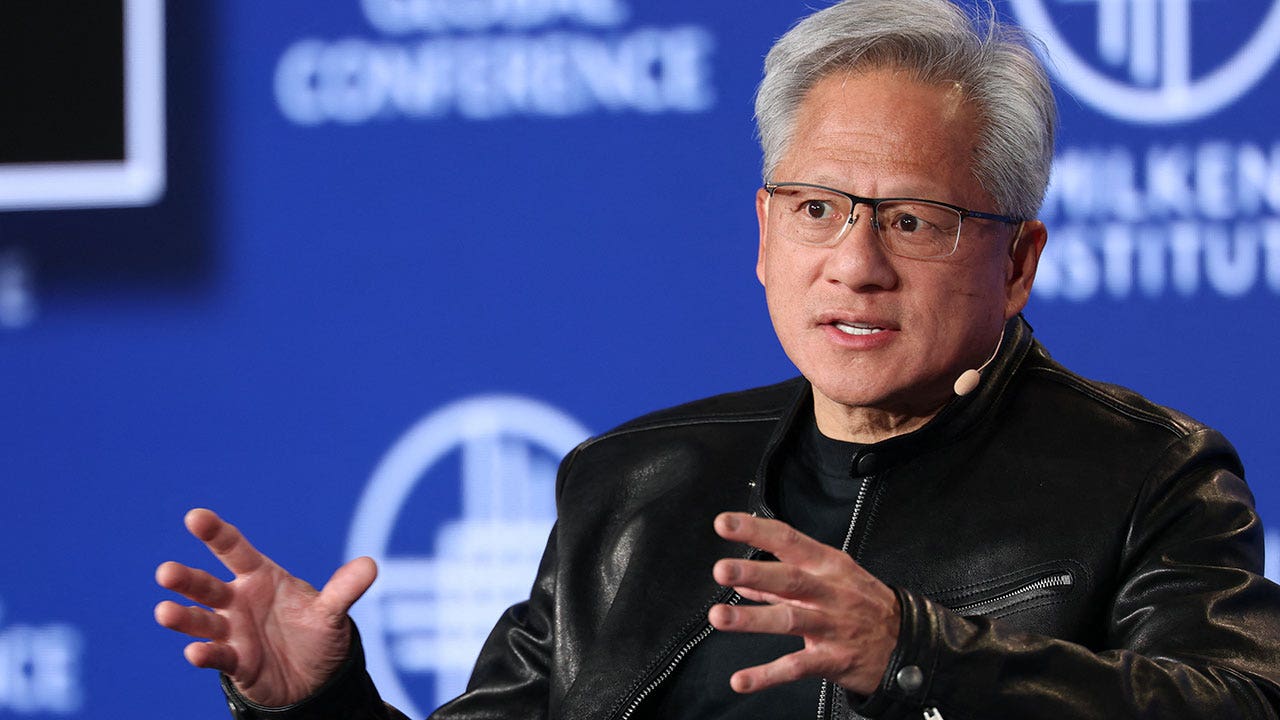
On September 14, 2026, during the All-In Summit panel in Los Angeles, US President Donald Trump called Nvidia CEO Jensen Huang on his personal phone while he was speaking on stage. Huang answered and put the call on speakerphone: Trump called fears about artificial intelligence a "hoax" and data centers "the oil of the next 20–25 years."

What happened
During the call, Trump said: "The robots are not going to be taking over... it's all a hoax" — robots "will not be taking over the world," and all the anxieties around AI, in his words, are a "hoax." In the same call, he called data centers "the oil of the next 20–25 years" and suggested that some of the protests against their construction are being driven by "political people, possibly China." The moment was captured on video: the clip was published by the official The All-In Podcast account on X, and the call and the content of the statement were confirmed by CNBC, Fox Business, and Axios.
Context
The call was preceded by a dispute over the pace of frontier model development. Two days before the panel, Anthropic CEO Dario Amodei published an essay calling for a slowdown in frontier model development; it was supported by Sam Altman of OpenAI and Elon Musk. Trump's position became a direct response to this call: on Truth Social, he called recent anxieties a "scam" and rejected additional AI regulation. At the same summit, Huang himself took a more restrained position: he called apocalyptic predictions "not based on science" but stated that companies should "pause or slow down work" if they feel they are losing control. Huang also praised researcher Jacob Coxon, who left Anthropic on September 9.
Why this matters for the industry
For the industry, the call became a public marker of a split in the debate over the pace of AI. Washington chose the "maximum pace" scenario: data centers as "the oil of the next 20–25 years," rejection of additional regulation, and linking local protests against construction to the "China question." For companies, this reduces short-term regulatory risk in the US for compute infrastructure and frontier research: the debate over "slowing down" is now being conducted within the industry, at the level of corporate safety committees and public essays, rather than through government regulation. The industry's investment focus, judging by public signals, remains shifted toward infrastructure and energy for scaling trajectories, rather than the models themselves.
Why this matters for users
For the reader, this is a rare documented case where the US President personally intervened in AI policy during an industry conference, and the episode was filmed. The practical takeaway is that Washington's factual position on AI infrastructure has been publicly documented: maximum pace of data center construction, rejection of regulatory limits, and the framework of national competitiveness against China. It is against this backdrop that all debates about "slowing down" AI should be read: in the US, judging by public signals, no new regulatory brake should be expected, and decisions on pace will remain with the companies themselves.
What is still unknown / limitations
The event does not add technical facts: no new models, APIs, prices, or benchmark data. The claim that some of the protests against data center construction are being driven by "possibly China" remains Trump's speculation and is not supported by documentary evidence in the available materials. The actual consequences for AI regulation in the US and for the pace of data center investments have not yet been confirmed.
Sources
- CNBC: Trump phones Nvidia's Huang at All-In Summit, calls data center opposition 'hoax'
- Fox Business: Trump tells Nvidia CEO that AI fears are a 'hoax' during phone call
- Official The All-In Podcast account on X (video of Trump's call to Huang)
Author
Look at AI, editorial team