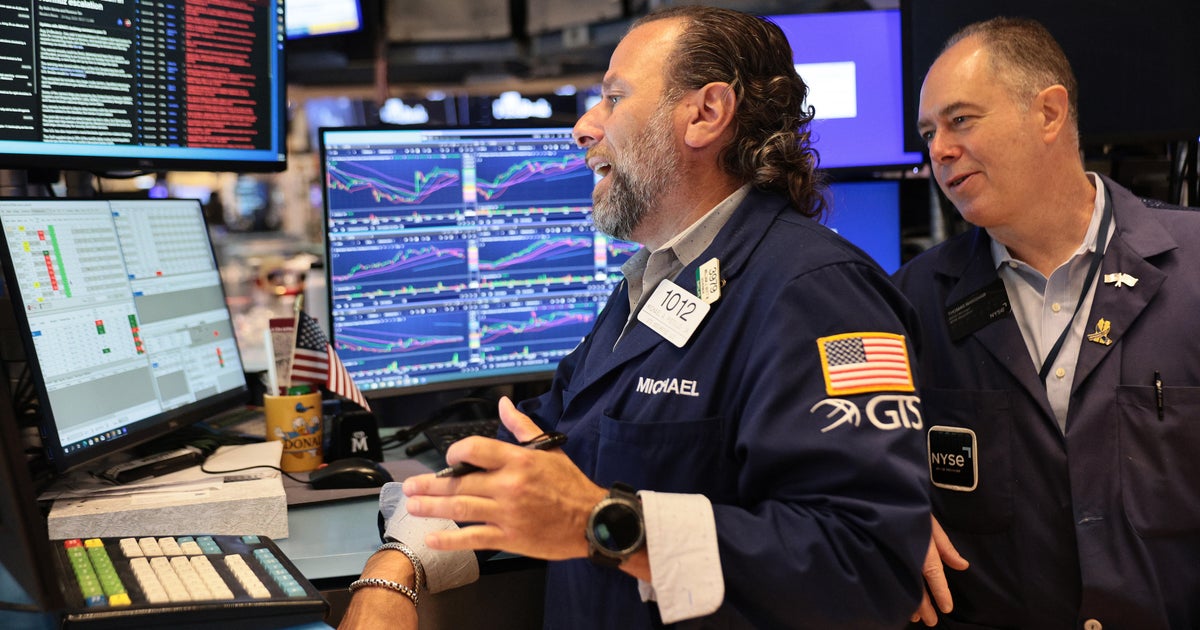
Calls from the heads of Anthropic, OpenAI, and xAI to slow the pace of AI development have called into question the sustainability of the stock market rally, which is largely driven by massive AI capex. Investors are nervous about the AI investment cycle, and chip and infrastructure suppliers, on which this cycle depends, were hit first.

What happened
Reuters published an analysis on September 15: on Monday, September 14, tech stocks fell following a weekend essay by Anthropic CEO Dario Amodei calling to 'pace the frontier' and similar statements from Sam Altman of OpenAI and Elon Musk of xAI. The Nasdaq Composite lost 147 points (minus 0.6%) and closed at 26,186, the S&P 500 fell 0.5%, the Dow Jones — 0.3%, Nvidia shares dropped 3.4%, Micron — 5.3%; AI stocks in Asia fell similarly. This was a one-off reaction: orders were not canceled, and hyperscalers did not revise their capex forecasts.
Context
The AI capex cycle is the main driver of the current rally: tech giants plan to spend nearly $800 billion on AI in 2026, and about $1.08 trillion is expected in 2027. Against this backdrop, the Philadelphia Semiconductor Index has still risen nearly 60% in 2026 — supplier stocks ('pick-and-shovel', i.e., chips and data center infrastructure) had priced in endless spending growth. That same week, regulatory noise added to the backdrop: Donald Trump called AI threats a 'hoax,' and analysts call the risk of regulatory overreaction one of the key risks for the entire cycle.
Why this matters for the industry
The market punishes the supplier layer more than hyperscalers because it is most dependent on the pace of capability growth. For now, this is a shift in sentiment, not a change in fundamental metrics, but analysts cited by Reuters (Chuck Carlson of Horizon Investment Services, Erik Kratz of Arena Private Wealth, James Humphries of Mindset Wealth Management) consider the real signal of falling demand to be canceled orders, construction halts, and data center contract terminations, not the conversations themselves. If such signals appear, 2027 GPU supply forecasts will be revised, and industry priorities will shift from scaling frontier models to cost efficiency, model-agnostic architectures, and monitoring real capex signals.
Why this matters for users
This is a clear example of how statements from AI industry leaders move the market without new models or releases: one essay on risks hit the semiconductor layer and major indices. Those reading and following the AI market should watch hyperscaler capex and whether 'pace the frontier' will turn into real data center construction delays: this will determine whether the investment and hiring cycle in infrastructure continues or the market starts pricing in its end. Capital Economics already predicts an 'AI bubble burst' and a drop in the S&P 500 of more than 20% by the end of 2027. For startups, the practical effect in the coming weeks is a soft cooling of investor appetite for 'yet another AI company' and more questions about the margin of safety in unit economics at rounds.
What is still unknown / limitations
The call to 'slow down' is not yet supported by technical data: the material contains no benchmark showing that the return on scaling has fallen or capability progress has stopped — this is an interpretation by lab leaders, not data. It is unknown whether specific company decisions will follow the statements and whether the September 14 sentiment reversal will become a sustained trend. Orders have not been canceled, and capex forecasts have not been revised, so the market reaction should for now be considered a shift in sentiment, not a change in the economics of the AI cycle.
Sources
- Reuters, Lewis Krauskopf and Laura Matthews — Investor analysis on AI spending slowdown warnings
- CBS News — Tech stocks slump after AI execs call for industry slowdown
- Global Banking & Finance Review — full text mirror of the Reuters analysis
Author
Look at AI, editorial team