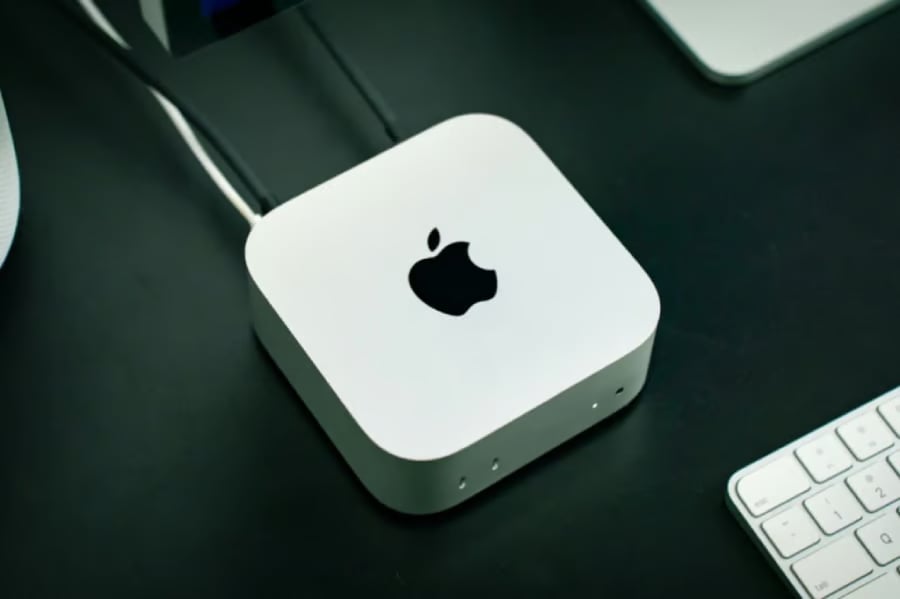
Over the past few months, OpenAI has purchased tens of thousands of Mac mini and Mac Studio computers to train computer-use agents—models that interact with programs the way a person does at a workstation. Anthropic is deploying a similar practice, renting Mac mini capacity through Amazon Web Services. This was reported by The Information in a TechRepublic summary dated August 31, 2026. The news changes the understanding of what hardware is needed to train agentic AI.
What happened
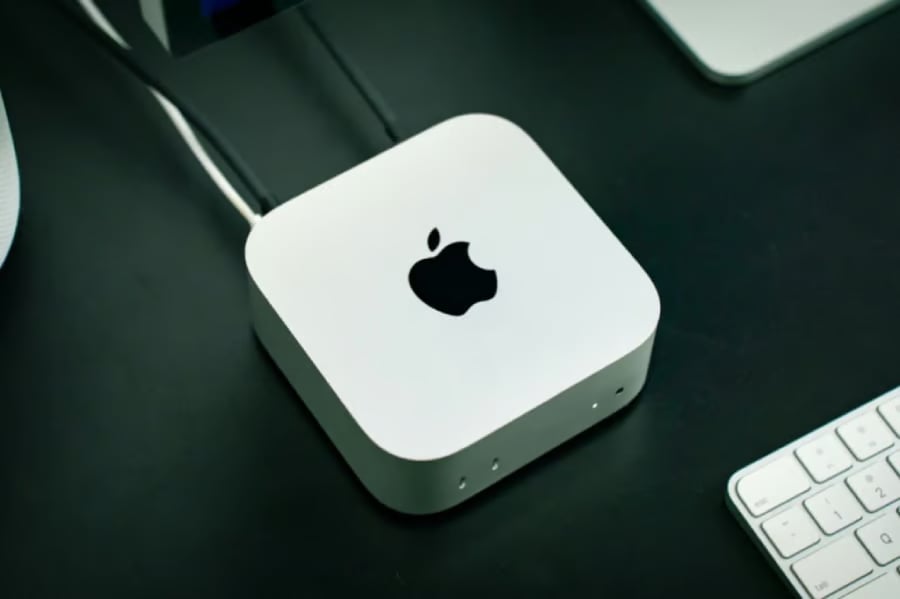
The machines operate in headless mode, without displays or keyboards, and are integrated into OpenAI's infrastructure as isolated dedicated nodes. On them, computer-use agents are trained via reinforcement learning, navigating interfaces, editing and testing code, and processing email. As TechRepublic reports, citing The Information, the training of such agents has moved from emulators to real operating systems running on actual hardware. Anthropic is acting similarly, but instead of buying machines, it rents Mac mini capacity from Amazon Web Services.
Context
The choice of the Apple platform is explained by engineering properties. Unified memory in Apple silicon allows the CPU and GPU to access a single memory pool, which is important for workloads that constantly switch between the model and the operating system, and the active cooling of Mac mini and Mac Studio is designed for continuous operation. Macs, however, do not replace Nvidia GPU clusters, on which foundation models are trained: they fill a narrow role where memory capacity and access to a real OS are critical. Behind the purchases lies a broader shift: the desktop environment is transforming from a consumer product into a purchased infrastructure resource, and hosted macOS capacity into a rented one.
Why this matters for the industry
Second-generation agentic systems do not require maximum GPU flops, but rather thousands of isolated desktop environments with large memory capacity, where the agent sees the screen, interacts with applications, and recovers from errors. Bulk purchases explain the early release of new Mac mini and Mac Studio models with a focus on local model execution and create pressure on supply chains. Apple, which sold Macs as consumer desktops, has unexpectedly become a supplier of AI infrastructure, and Nvidia already considers it a competitor in local AI: the response was the DGX Spark platform, and the first RTX Spark allocations at ASUS and MSI have been exhausted. Renting hosted macOS capacity in the manner of Anthropic and Amazon Web Services hints at a new market for managed desktop environments, into which startups may eventually integrate.
Why this matters for users
Readers looking at Macs with large memory capacity for local model execution should consider that the shortage of such configurations in retail is caused in part by bulk purchases by AI labs, so it is better not to delay a purchase. For those following computer-use agents, the signal shows that their training is happening at the level of real operating systems and applications, meaning future agentic products will operate in a familiar software environment. For researchers and ML engineers training GUI agents, the choice between emulators and real machines should be considered a key methodological question: the practice of OpenAI and Anthropic hints that environment fidelity has become a bottleneck.
What is still unknown / limitations
There are no official confirmations from OpenAI and Apple: the data is based on The Information material as reported by TechRepublic. There are no published methodologies, benchmarks, or ablations linking this infrastructure to an increase in agent capabilities, so the fact of hardware purchases does not imply that next-generation products will operate at the level of real operating systems. The source does not explain why emulators and virtual machines proved insufficient. The infrastructure is internal: there are no public APIs, prices, or metrics like latency and throughput, nor any scientific publications with effect estimates.
Sources
- OpenAI Purchases Tens of Thousands of Mac minis, Mac Studios — TechRepublic
- Apple stumbled into AI hardware success with the Mac — The Information (primary source)
Author
Look at AI, editorial team