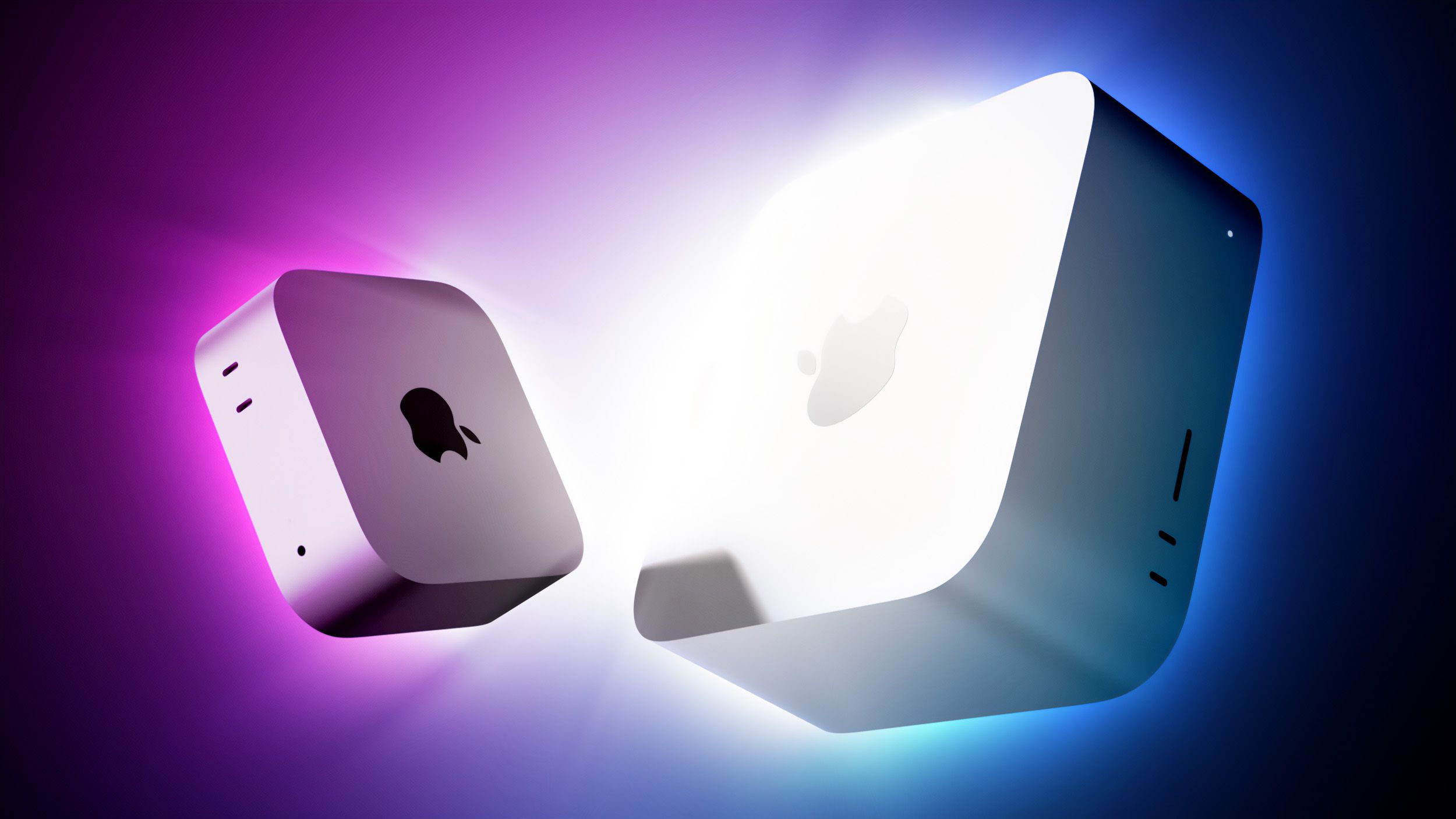
Apple released the new Mac mini and Mac Studio ahead of the usual fall cycle, and according to The Information, the reason was corporate demand for AI hardware that the company did not expect. Preorders are already open, sales start on September 22, 2026, however, popular configurations are disappearing from stock for months due to a memory shortage, and Apple itself is organizationally unprepared for the influx of business clients.
What Happened
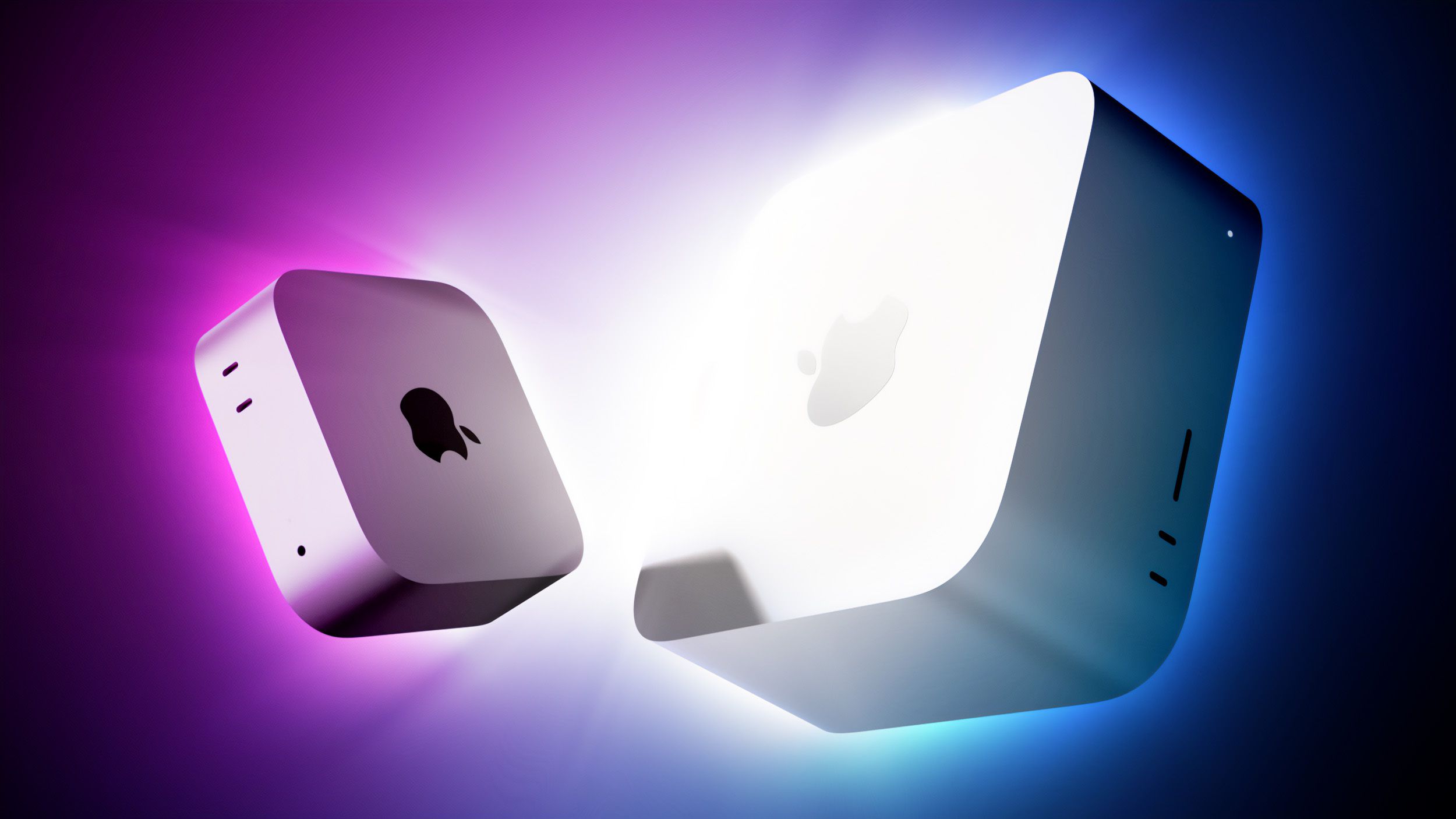
According to The Information, in a MacRumors retelling from August 30, 2026, citing author Hartley Charlton, Apple announced the new Mac mini and Mac Studio early — not because of the usual calendar cycle, but due to unexpectedly strong corporate demand for AI equipment. The lineup was noticeably updated: the Mac mini received M6 and M5 Pro chips and a new N1 network chip, while the Mac Studio is built on M5 Max and M5 Ultra and carries up to 512 GB of unified memory. Preorder is already open, and the launch of sales is scheduled for September 22, 2026. Apple is not simply updating desktops: the company is promoting the scenario of combining several Mac Studios into a single system to run large frontier models.
Context
The announcement is important not so much for its specifications, but for the shift in positioning: desktop Macs are for the first time being seriously presented as horizontally scalable AI nodes for business, rather than just compact workstations. The technical base for such a narrative exists: 512 GB of unified memory is a volume that is not available in typical single accelerated configurations with 80–192 GB of HBM, so large models fit entirely in local memory, and the N1 network chip in the Mac mini reinforces the idea of connecting machines into a single computing complex. Apple has already received market validation: at the June event "Business at the Park" with the participation of Ford, Disney, and Anthropic, the Mac mini was the hit.
Why This Matters for the Industry
For the industry, the signal is twofold. On the one hand, a possible "third way" of inference has emerged — horizontal scaling of commodity nodes instead of expensive GPU machines: if Mac Studio clusters prove acceptable throughput, demand will arise around the platform for distributed serving and tools, and this is an open field for startups. On the other hand, Apple is organizationally unprepared for this market: there is no separate team for business clients, no enterprise AI strategy and dev rel, and those wishing to get access to Private Cloud Compute are being turned away, referred to partners WebAI and Mount Thor. If the memory shortage persists, the window for a competitor will expand — Nvidia DGX Spark offers a similar compact form factor, and part of the corporate demand will go where the hardware is actually available.
Why This Matters for Users
Those who were planning to run local LLM agents or build a cluster from several Mac Studios should take practical realities into account. Preorder is already open, sales start on September 22, 2026, but popular configurations are unavailable for months due to a memory shortage, so it is not worth counting on a specific build by a certain date. Budgets for local inference pilots will have to be recalculated taking into account the new price: the base Mac mini has increased in price from $599 to $899. Some relief is possible later: Apple promises to release the Mac mini at the new Houston Advanced Manufacturing Center facility already this year, which may reduce the shortage by the end of the year.
What is Still Unknown / Limitations
The information base of the material is a retelling of The Information through MacRumors, that is, one source without published benchmarks. It does not contain figures on memory throughput, token generation speed, and power consumption, there is no data on the throughput of inter-node connections in clusters and overhead costs when they are working, there is no methodology for comparison with Nvidia DGX Spark. Claims about the ability of Mac Studio clusters to run frontier models remain interpretations by Apple itself, and not verified technical results — independent measurements should be expected in the coming months.
Sources
Author
Look at AI, editorial team