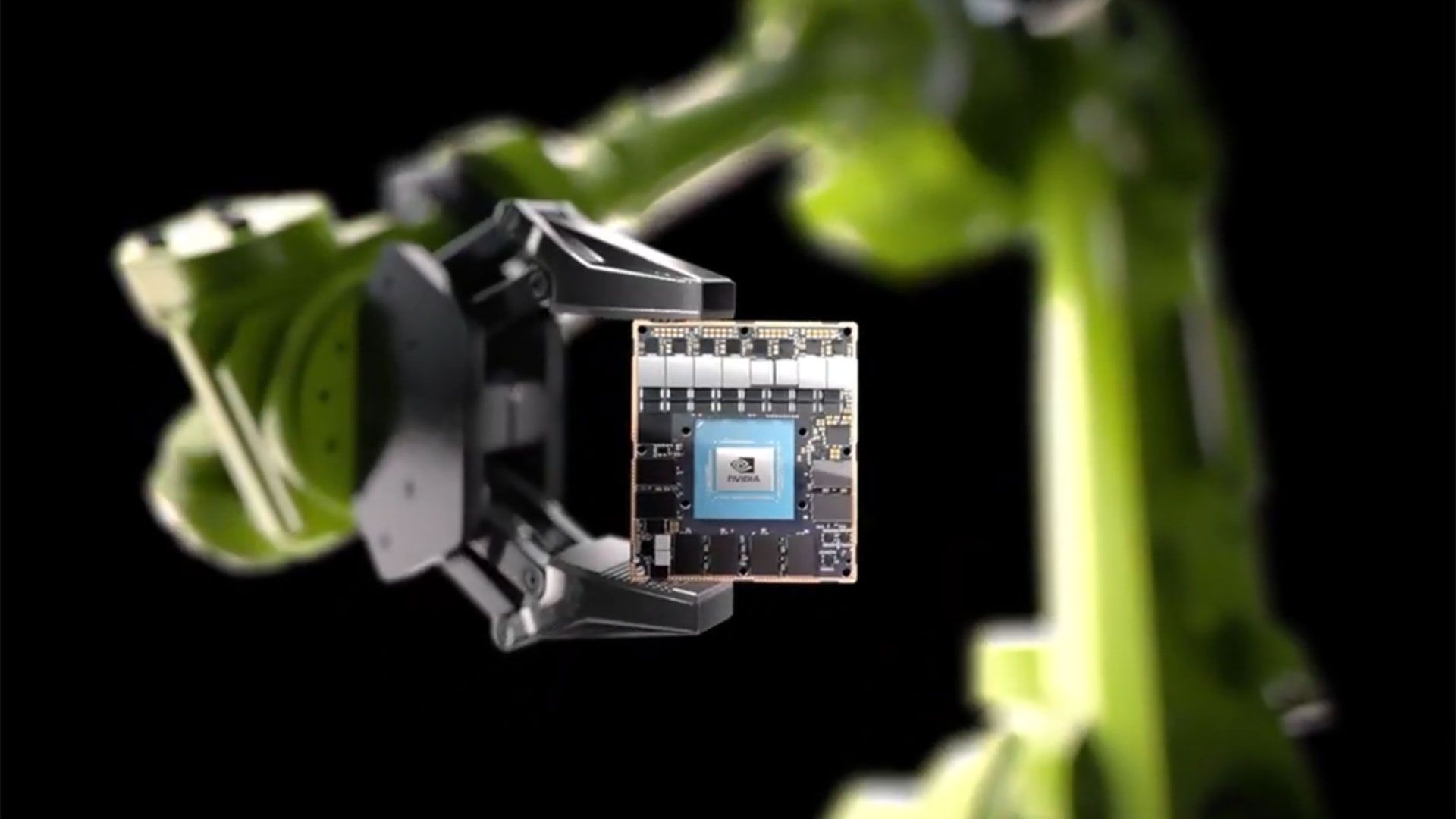
A Russian 'Molniya' loitering munition with an Nvidia Jetson Orin module crashed near a gas station in Zaporizhzhia on July 6, killing three civilians. According to a New York Times investigation and Ukrainian forensic experts, the final strike point was selected by onboard AI without human involvement.
What happened
The victims were 19-year-old student Tetiana Bubyntsi and men aged 41 and 48. During the approach to the target, the drone hit a residential building and detonated near people who were taking cover. According to a New York Times investigation dated August 24, operators only launched the device toward the gas station, while the class of objects for the final strike, such as propane cylinders, was selected by onboard software without human involvement. CSIS Senior Fellow Kateryna Bondar called the incident the first documented case of civilian deaths from a Russian drone with fully autonomous guidance. The intercepted modules were not encrypted, so Ukrainian forensic experts read the terrain maps for visual navigation and the code for trained target classes. Zaporizhzhia Air Defense Commander Colonel Serhiy Minaev commented: 'Machines make decisions about strikes.'
Context
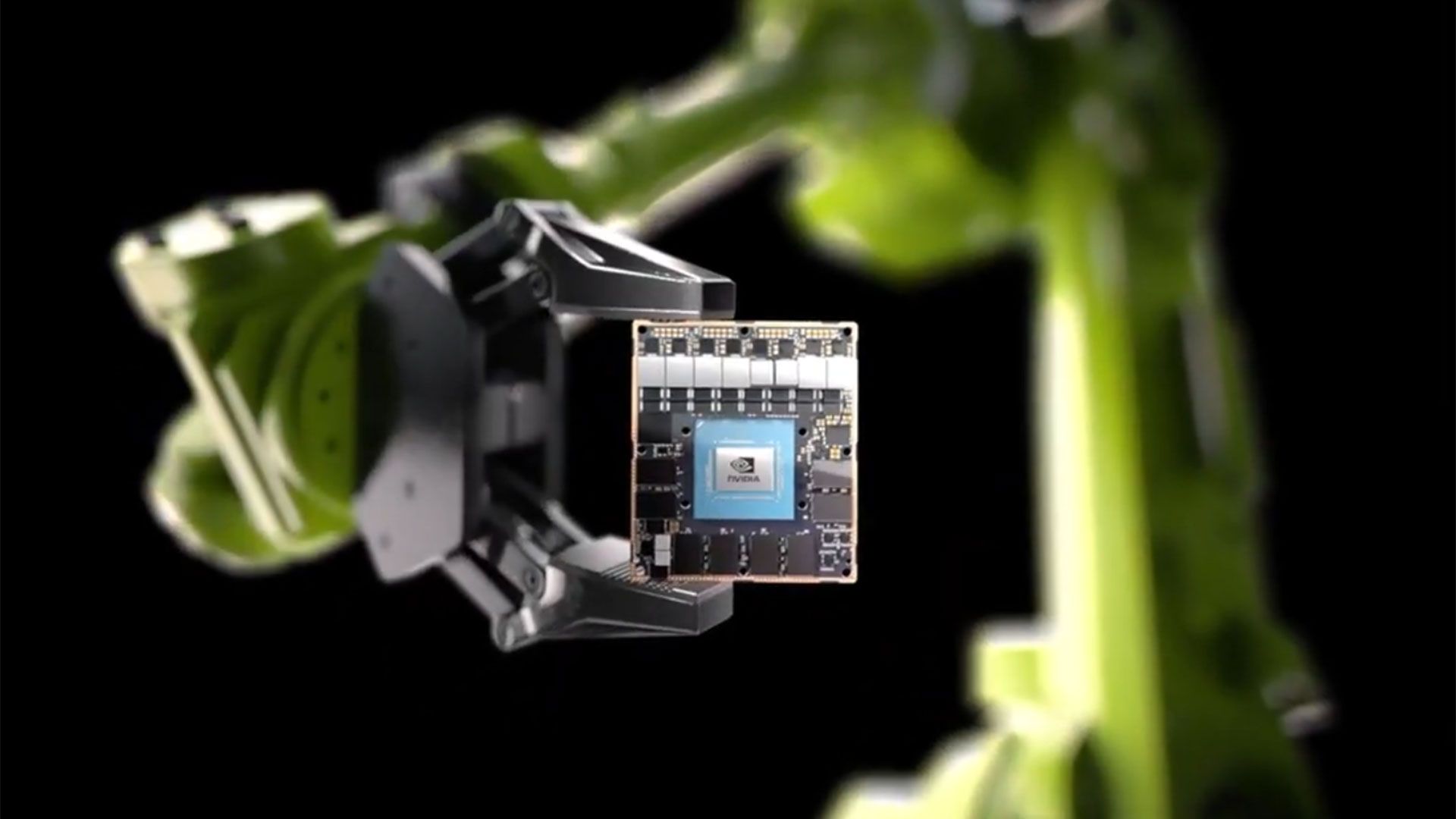
'Molniya' is a serial loitering munition, and since May 2026, Russia has been testing AI guidance on it, whereas previously the device spent months practicing autonomous guidance in the V2U variant. The same Jetson Orin module was found by specialists in four families of weapons. Architecturally, there is nothing new here: target class recognition and navigation by terrain maps are classic object detection and visual navigation tasks, long solved on platforms at the Jetson Orin level. The module costs from $249 and is not subject to US export restrictions, which primarily cover data center accelerators. Nvidia confirmed that the published photos show Jetson Orin modules and stated that it does not sell them in Russia, meaning the equipment reached Russia through used equipment resale channels. For scale: Ukraine itself has been using autonomous quadcopters against Russian soldiers since 2024, and autonomous weapons are developing on both sides.
Why this matters for the industry
The case marks the transition of autonomous guidance from testing to serial application: a combat autonomous loop is now embedded in a mass-produced drone on a consumer module costing $249 and works without a cloud and without a human. For the market, this is a signal of a collapse in the cost of autonomy and simultaneously a hole in US export controls, as consumer computing modules remain outside current restrictions. For product teams, the case became a public precedent: it shows both that an autonomous solution is already being implemented in serial production and which layers of a mature autonomous product are missing — human approval point, model decision audit, onboard module protection, resilience to countermeasures. Requests for a safety layer, emergency shutdown, decision logging, and mandatory human involvement are turning into explicit requirements for autonomous system specifications. Investors in defense-adjacent technologies receive confirmation of demand, and embedded platform suppliers get a public test of their hardware in combat conditions.
Why this matters for users
The main point for readers is that it has been officially documented for the first time that a machine, not a human operator, made the decision on the strike point, and the victims were civilians. The case will become a reference in technical and ethical debates about autonomous weapons and will increase pressure on the issue of export controls for consumer accelerators. The practical effect is already visible in Zaporizhzhia, where defense is being built against the algorithm itself: about 240 miles, approximately 390 km, of anti-drone nets have been stretched, and gas cylinders are wrapped in plastic at non-standard angles to disrupt pattern recognition. Shelter from drones is no longer just physical — it is now also an attempt to deceive machine vision.
What is still unknown / limitations
The phrase 'fully autonomous guidance' is an expert assessment, not an exhaustive fact: the materials record that operators launched the drone in a general direction, and the onboard software selected the target class. The statement that the machine made the final decision is an interpretation of forensic data, based on reading the code from the module and the absence of operator involvement in the final stage. The decision-making logic itself, detection thresholds, rules, and confirmation stages are not known from the published materials, and the analysis is limited to the contents of the intercepted unencrypted module.
Sources
- Tom's Hardware: Nvidia Jetson Orin-guided Russian AI drone killed three civilians in Ukraine, forensic teams say — first documented case
- The New York Times: A Drone Killed Three Ukrainians. It Was Guided Entirely by A.I.
Author
Look at AI, editorial team