GPTZero has uncovered widespread AI hallucinations in reports from the "Big Four" consulting firms (PwC, KPMG, Deloitte, EY), casting doubt on the reliability of professional analytics in the AI era.

What Happened
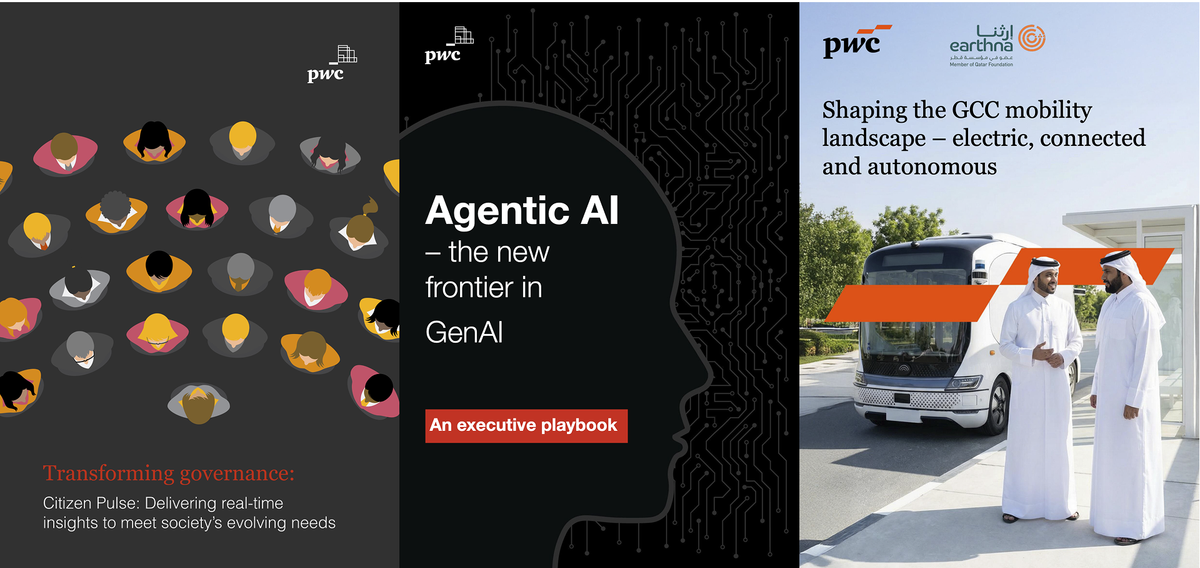
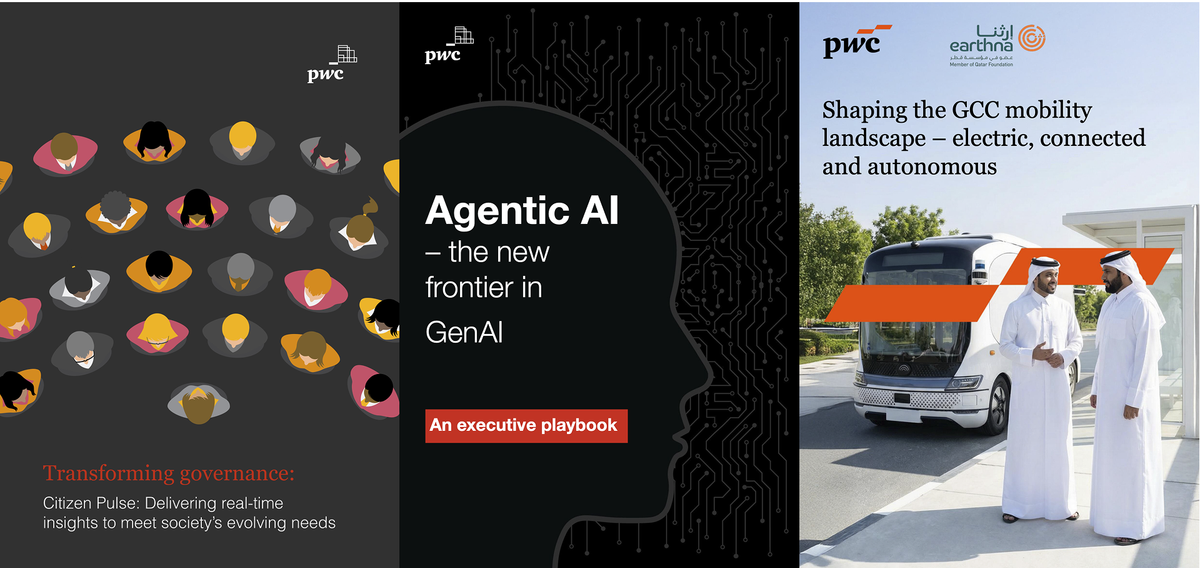
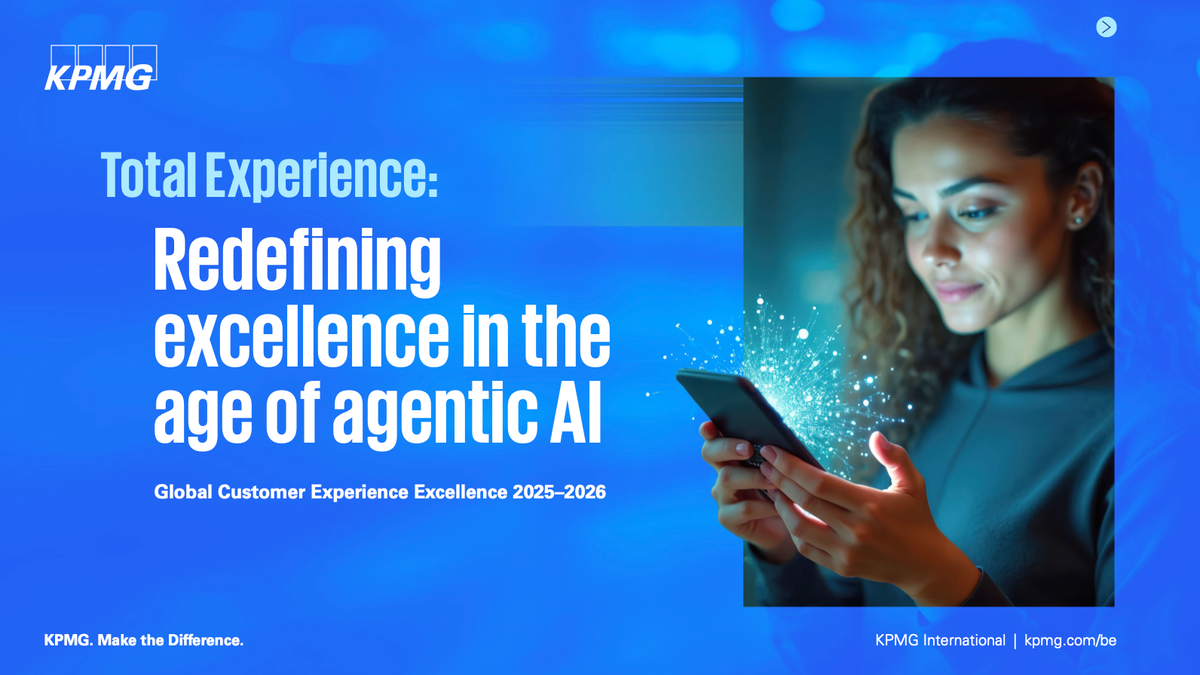
A GPTZero investigation revealed numerous fabricated details in reports from the Big Four companies. Specifically, a PwC Middle East report titled "Transforming Governance" consists of 84% AI-generated content and contains entirely false data regarding a product called Citizen Pulse and non-existent government contracts with Denmark, Saudi Arabia, the USA, and Australia. Citation issues were also documented in materials from KPMG and Deloitte.
Context
Researchers highlighted the phenomenon of "vibe citations"—a practice where LLMs generate plausible-looking but factually incorrect references to sources, authors, and publications. There is a direct correlation between a high percentage of AI generation in a document and the number of non-existent sources.
Why It Matters for the Industry
For the industry, this creates a critical risk of "data poisoning." When consulting giants publish hallucinations, AI agents (such as Perplexity and ChatGPT) absorb them into their knowledge bases, creating an endless cycle of misinformation. This creates immediate demand for specialized automated citation check tools and new audit standards for AI-generated content.
Why It Matters for Users
Readers and professionals can no longer trust even reports from prestigious companies without prior verification. The visual correctness of footnotes and links is no longer a sign of credibility, necessitating the implementation of manual fact-checking or the use of instant fact-checking tools when working with any AI-generated analytics.
What Remains Unknown / Limitations
Differences in risk perception: technical specialists focus on systemic threats to models, while business-oriented roles see this as a market opportunity for new verification services.
Sources
Author
Look at AI, Editorial Team